Despite its fame, the origin of spaghetti has long been debated and the various theories see the East and the West in opposition. Although the shape of spaghetti was born in China and the manufacturing process was partly taken from Arab cuisine, it is still Italy that deserves credit for having invented this dry pasta. Let's go over the history of spaghetti, between myths and curiosities .
For years it was believed that the explorer Marco Polo brought spaghetti to Italy when he returned from his famous trip to China in 1295. Although this myth was incorrect, as it was based on an incorrect interpretation of his writings, it seems certain that the shape of spaghetti actually originated in the East , and in particular in Western Asia. It is said that in the area of present-day Pakistan, spaghetti (rice) was nothing other than the leftovers of dried pasta that was prepared for the sultan, and that only later was it recognized as a dish in itself and subsequently spread to India. The basic ingredient of spaghetti, durum wheat flour, also has exotic origins, already used by Arab countries to make couscous, as does the drying process that the Saracens probably exported to the Mediterranean basin, including Sicily . In short, the invention of our national spaghetti seems to have taken inspiration from the culinary uses and traditions of other countries, near and far.
The first historical evidence regarding the spread of dried pasta in Italy and the existence of the pasta industry dates back to the 12th-13th century; it is in this period that different pasta shapes began to spread throughout the peninsula , including macaroni, ravioli and gnocchi. In the 14th century, pasta, and in particular a “tasty shape that rolls up”, was mentioned in Boccaccio 's Decameron, who probably learned about the term "Maccheroni" in Naples, where he stayed in 1348.
«and there was a mountain of grated Parmesan cheese,
on which were people who did nothing else but make macaroni and ravioli and cook them in capon broth, and then they threw them down from there, and whoever took more, the more
he had some»
Subsequently, pasta was cited by important writers, short story writers and poets, such as Franco Sacchetti did in the second half of the fourteenth century, in "The book of rhymes" (Biblioteca Medicea-Laurenziana in Florence)
«Lombard soups, married lasagna, sambucata pancakes»
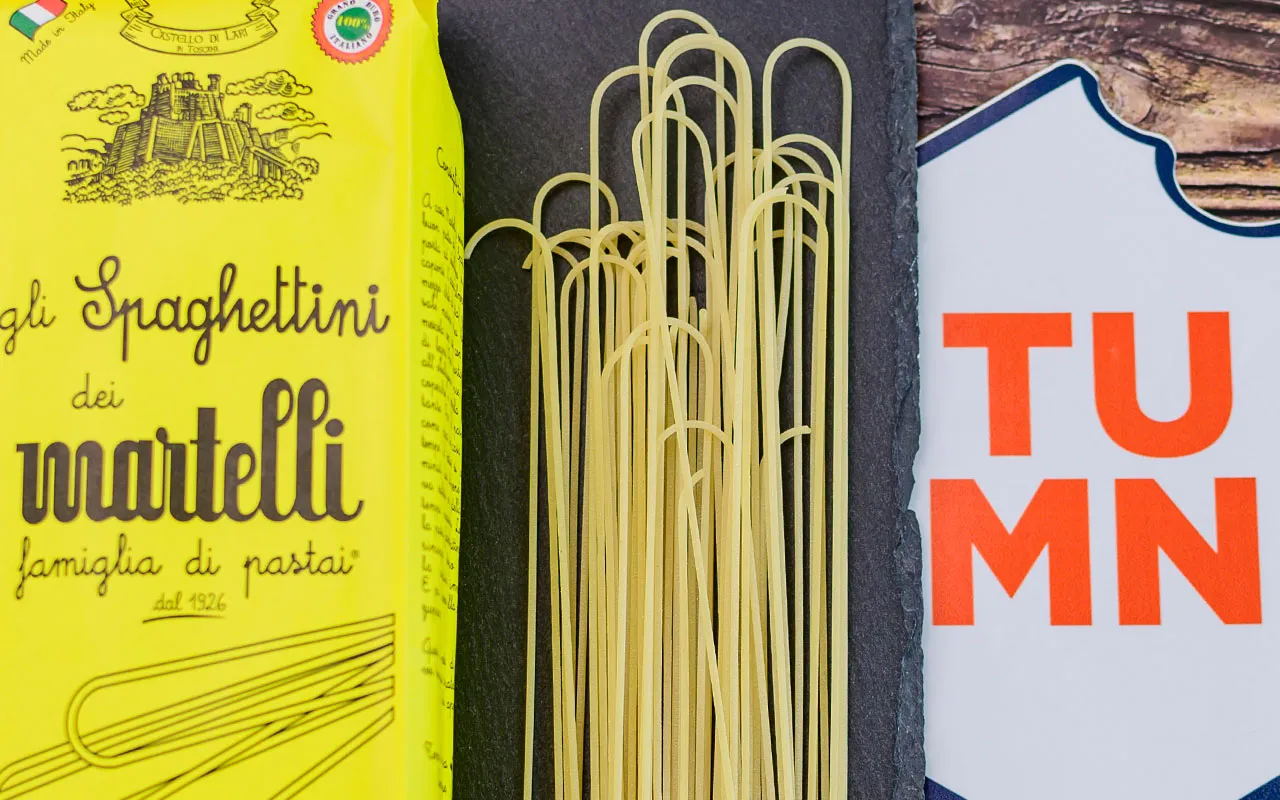
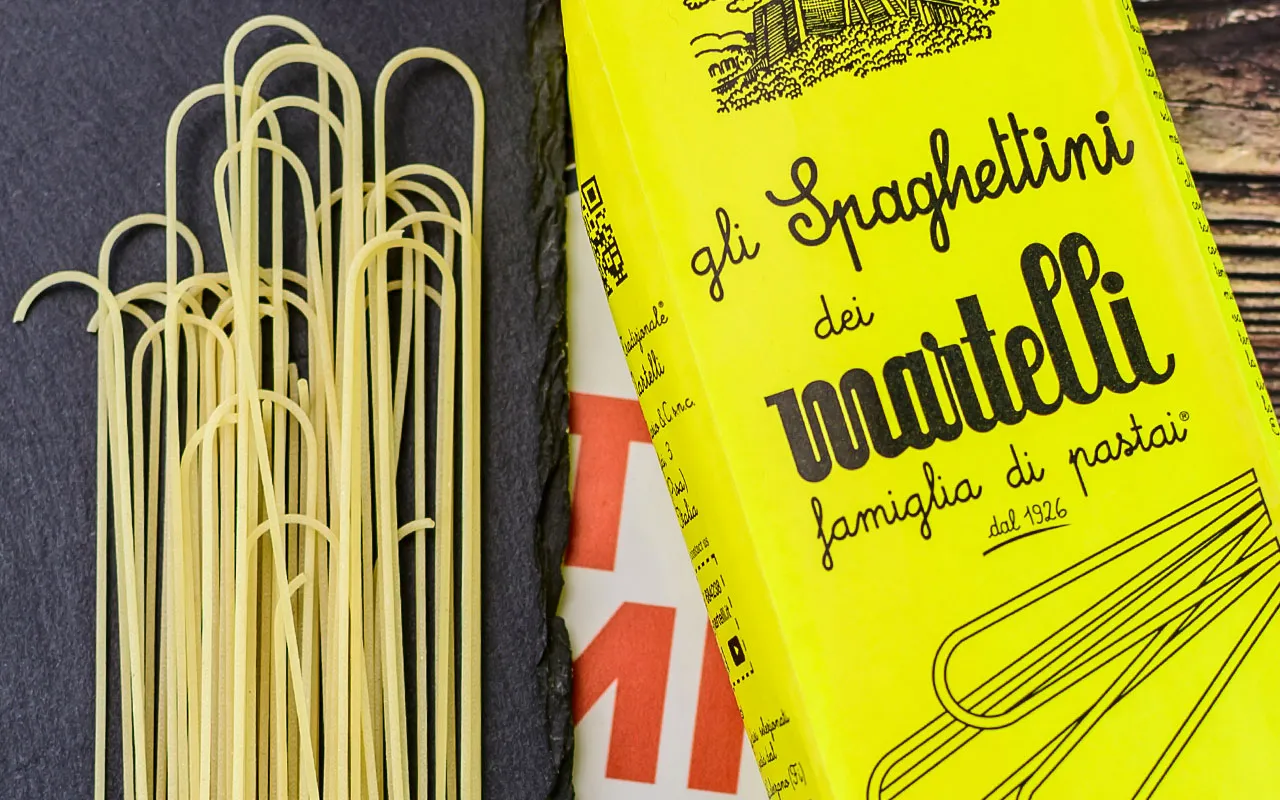
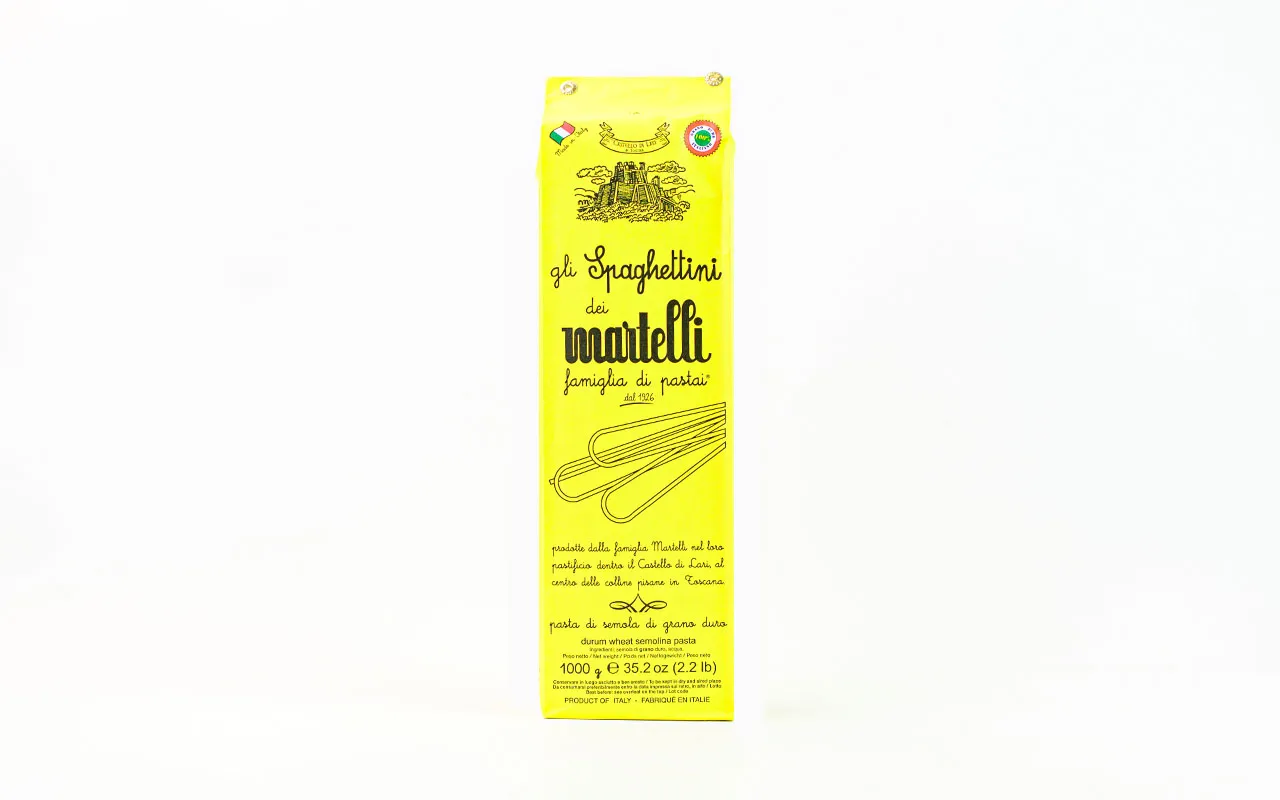
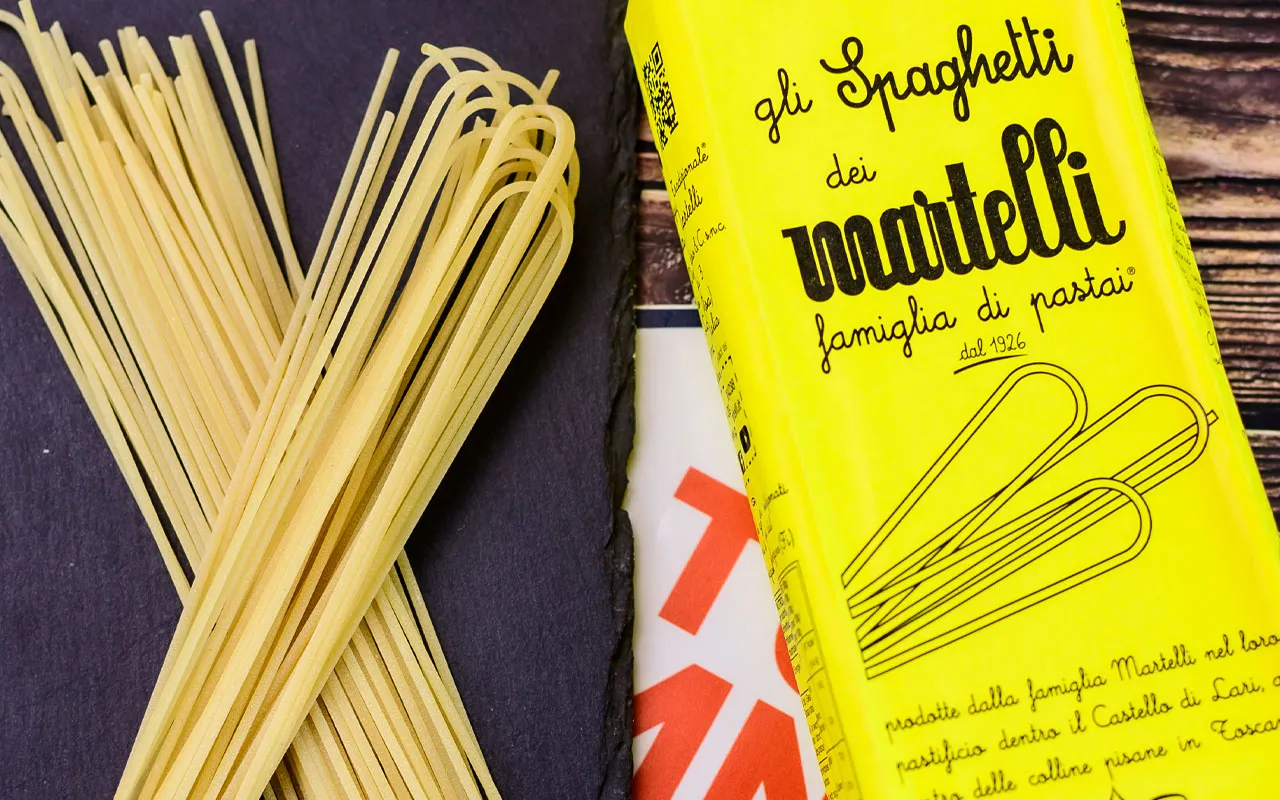
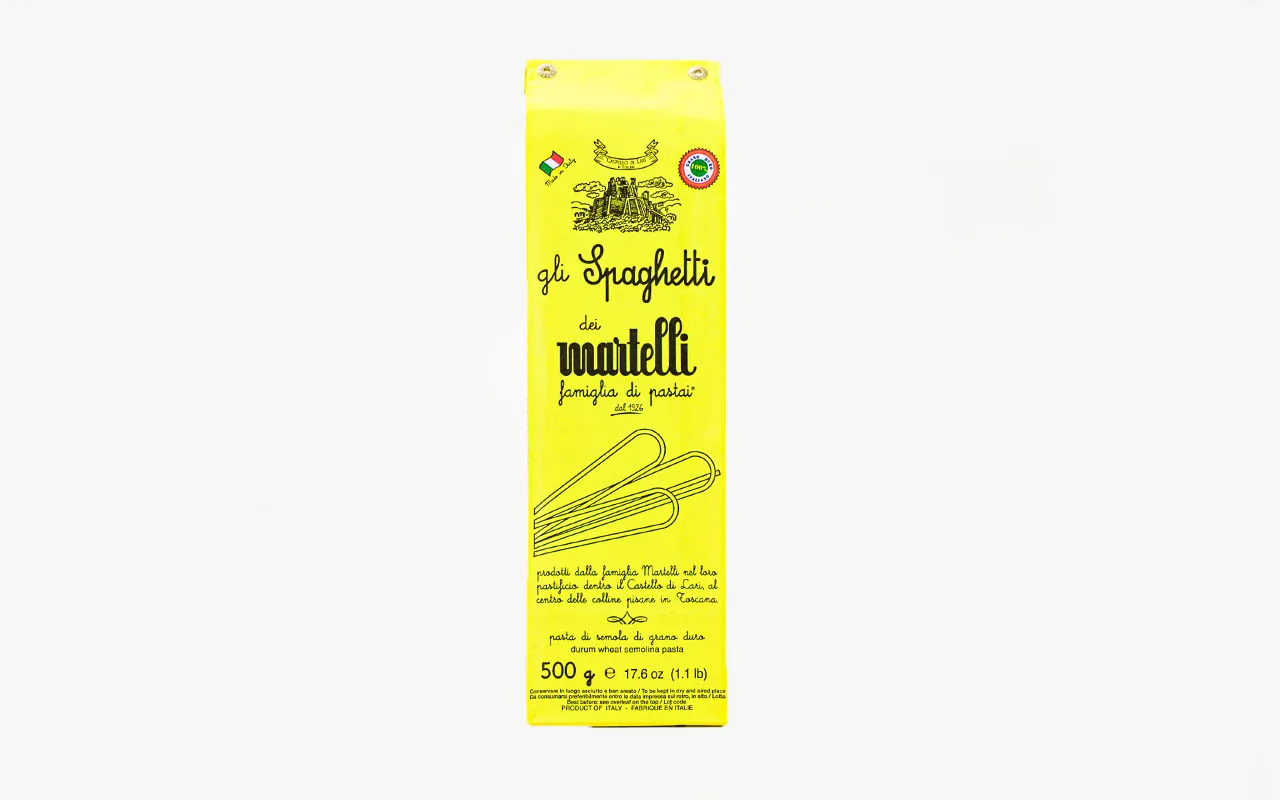
If you love pasta, you can't do without the Martelli noodles. Bronze drawn and naturally dried with temperatures never higher than 35 degrees, they give each forkful an intense pleasure on the palate.
3,50 €
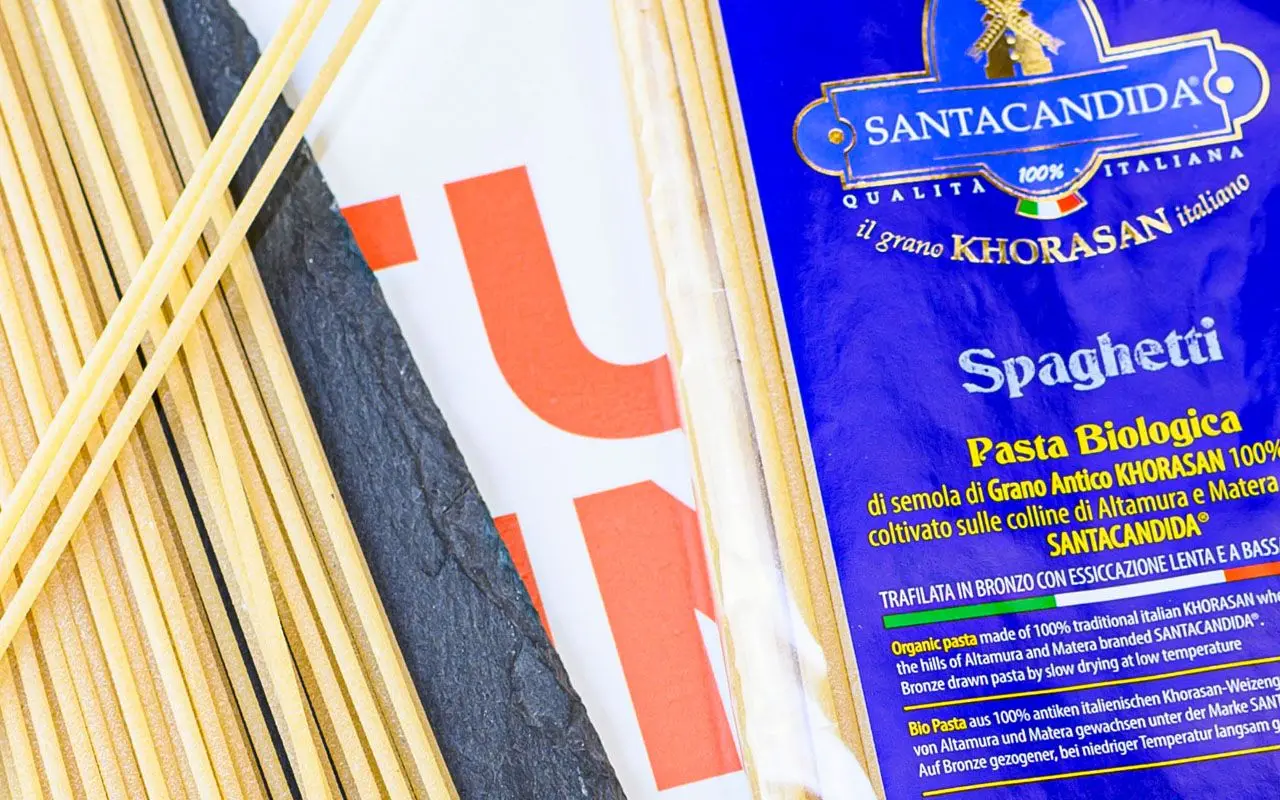
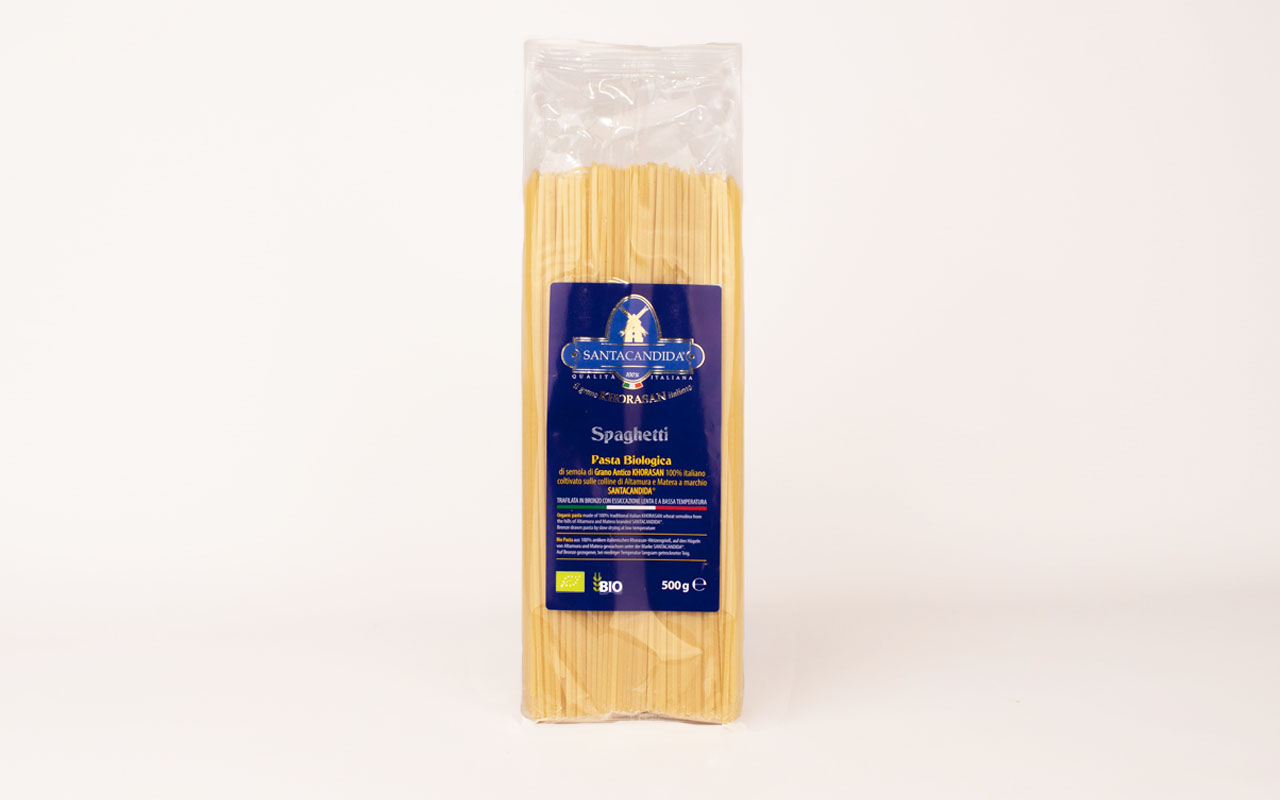
Bronze drawing makes khorasan organic wheat spaghetti, for example, ideal for thick sauces and creams, the porous structure of the spaghetti means that the sauce does not slip away, but rather is absorbed by the same, giving the dish an intense taste.
4,37 €
Perfect for first courses based on fish, the noodles of the Martelli pasta factory are bronze drawn and with a slow drying at low temperatures, they reveal the love and the great pasta tradition of the Martelli family with each forkful.
6,80 €
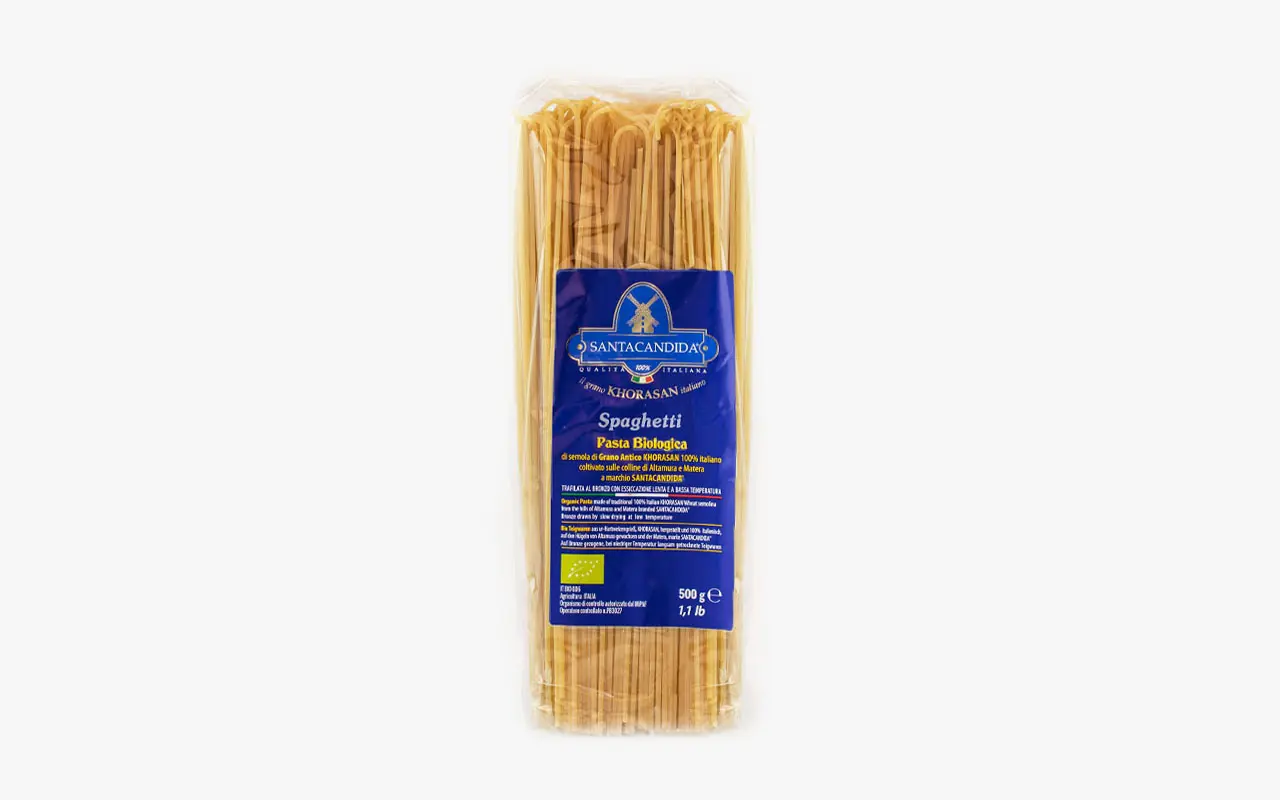
Organic Khorasan wheat spaghetti is one of the most classic formats of Italian cuisine. Present in almost all regional cuisines are the format that satisfies everyone. Bronze drawn and dried at low temperature, they have a rough and persistent sheet, typical of an excellent artisan product.
4,37 €
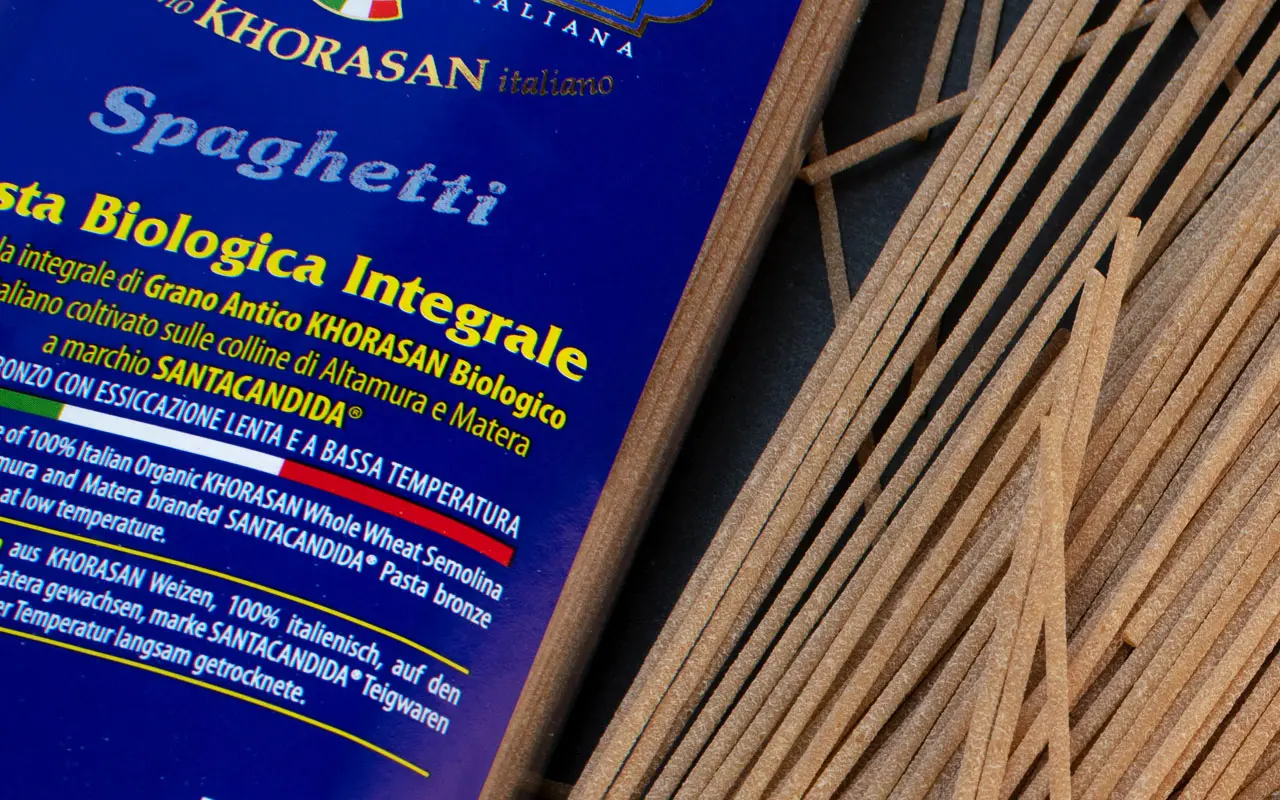
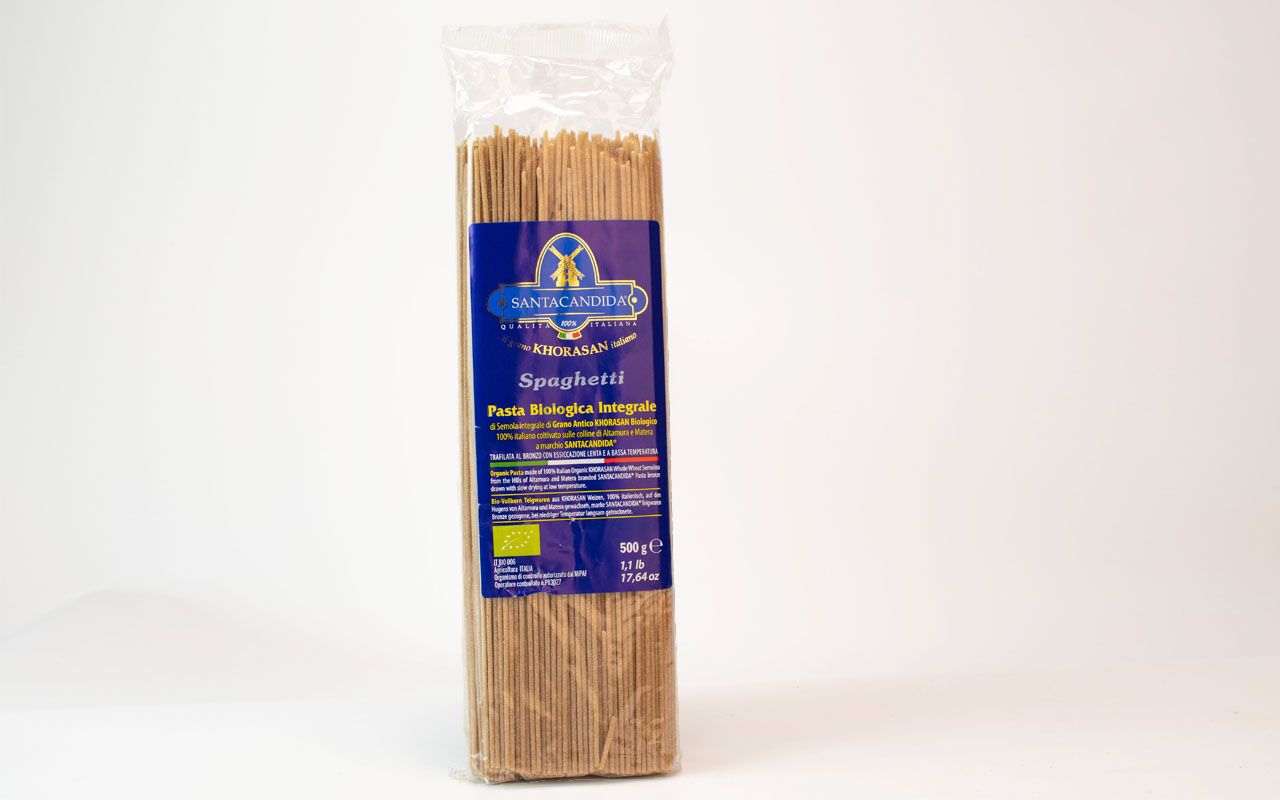
Organic khorasan whole wheat spaghetti, are produced only with 100% organically grown wheat in Italy, between Puglia and Basilicata. Bronze-drawn and slowly dried at low temperature, they have an excellent cooking seal and a rough and porous sheet.
4,37 €
It is likely, therefore, that the birth and spread of spaghetti dates back to the medieval period . At that time, pasta was very different from today's; in addition to being a dish for the rich, it was cooked for much longer and, above all, it was seasoned with bizarre ingredients with a sweet, salty or spicy flavour, including meat, fresh cheese, sugar, herbs and pepper. However, it was only in 1819 that the term " spaghetti " appeared for the first time in the Dictionary of the Italian language , a period in which this dish became a staple of the popular and traditional cuisine of Naples.
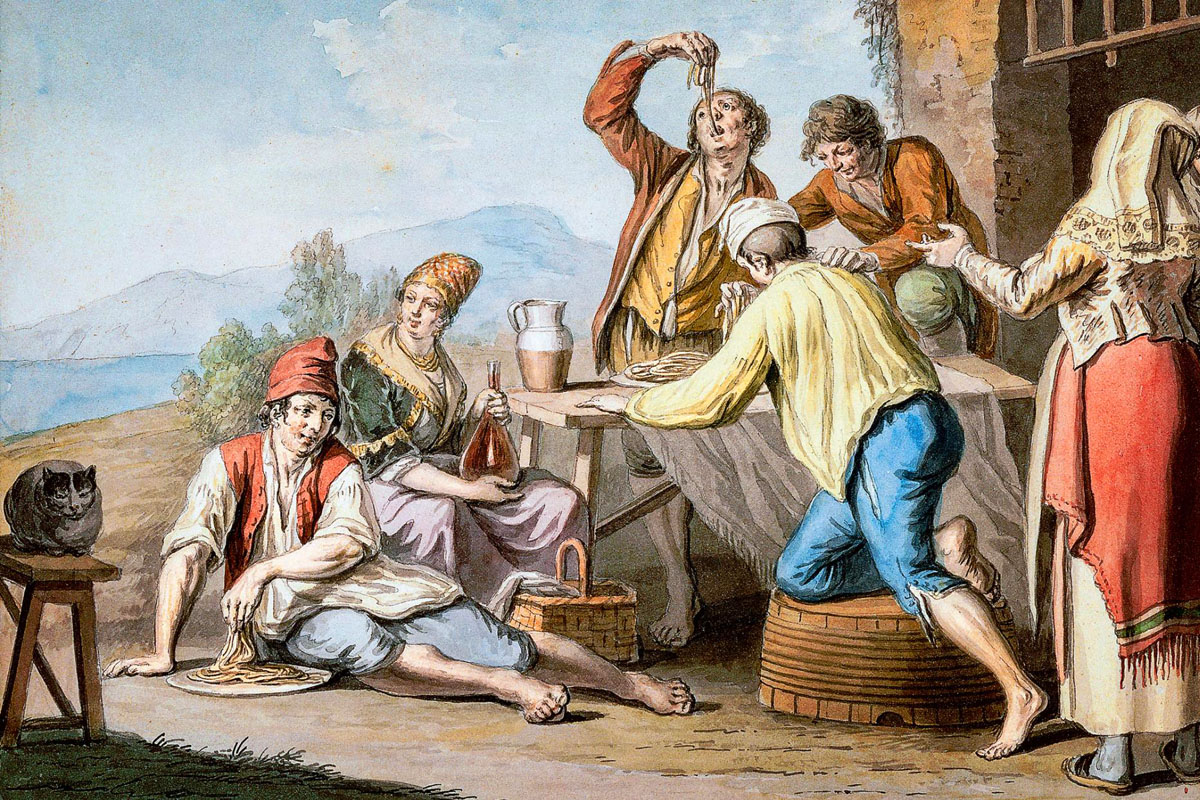
At that time, large landowners in the Kingdom of Naples or in Sicily sold wheat relatively cheaply and pasta, in addition to finally becoming more accessible, began to spread further as an ideal food for the days when, for religious reasons, the consumption of meat was prohibited. Furthermore, it was precisely in Naples that, in that period, this food revolution and increased agricultural production coincided with technological progress and the introduction of machinery such as the pasta press. In Naples, spaghetti was a dish loved by beggars or lazzaroni, as well as by the nobility and in particular by King Ferdinand IV of Naples.
If you love pasta, you can't do without the Martelli noodles. Bronze drawn and naturally dried with temperatures never higher than 35 degrees, they give each forkful an intense pleasure on the palate.
3,50 €
Bronze drawing makes khorasan organic wheat spaghetti, for example, ideal for thick sauces and creams, the porous structure of the spaghetti means that the sauce does not slip away, but rather is absorbed by the same, giving the dish an intense taste.
4,37 €
Perfect for first courses based on fish, the noodles of the Martelli pasta factory are bronze drawn and with a slow drying at low temperatures, they reveal the love and the great pasta tradition of the Martelli family with each forkful.
6,80 €
Organic Khorasan wheat spaghetti is one of the most classic formats of Italian cuisine. Present in almost all regional cuisines are the format that satisfies everyone. Bronze drawn and dried at low temperature, they have a rough and persistent sheet, typical of an excellent artisan product.
4,37 €
Organic khorasan whole wheat spaghetti, are produced only with 100% organically grown wheat in Italy, between Puglia and Basilicata. Bronze-drawn and slowly dried at low temperature, they have an excellent cooking seal and a rough and porous sheet.
4,37 €
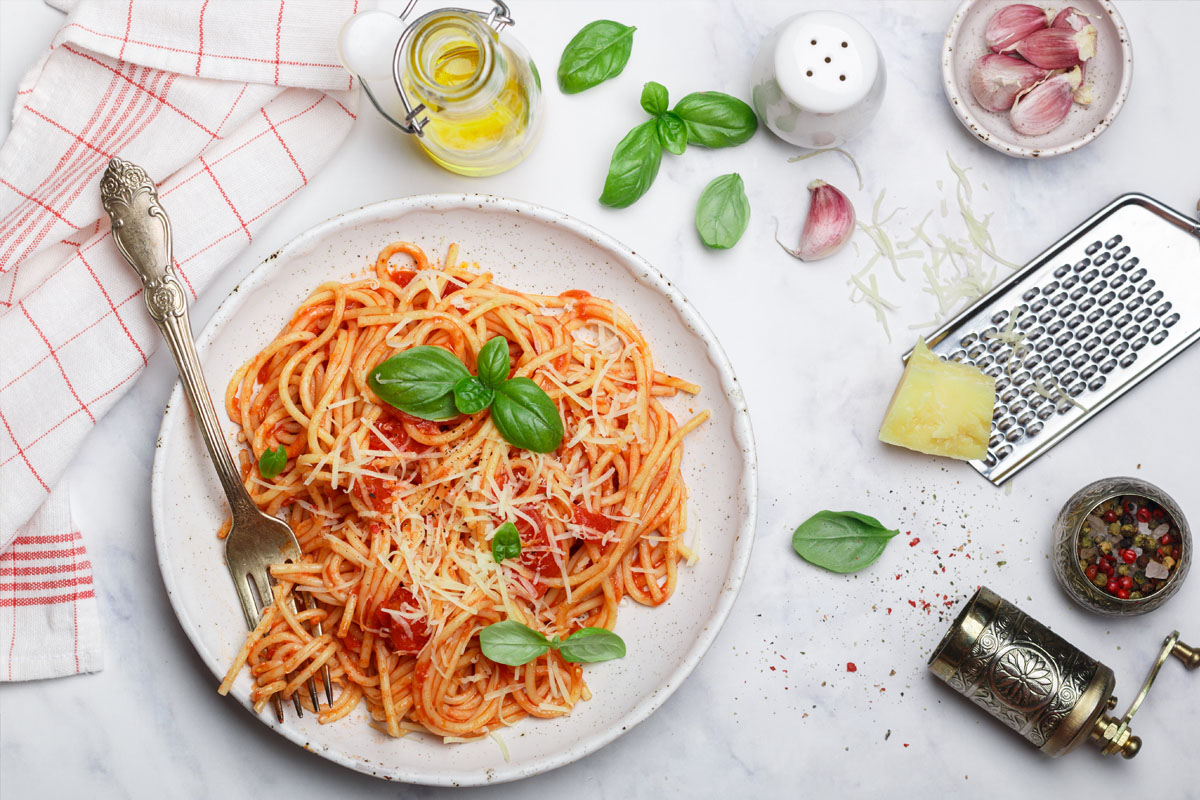
A subsequent and significant step forward in the history of Italian cuisine in general and in that of spaghetti in particular, was the spread of tomato as a condiment for pasta . At the beginning of the 19th century, in fact, the iconic dish of spaghetti with San Marzano tomato sauce finally saw the light of day, a recipe published for the first time in 1844. Shortly after, thanks to migratory flows towards the United States of America, spaghetti set sail overseas, to then make its glorious appearance in the cinema of the 19th and early 20th centuries and become an internationally known dish.
by Ivana De Innocentis
Revised, corrected and expanded by the Tumn® Editorial Team

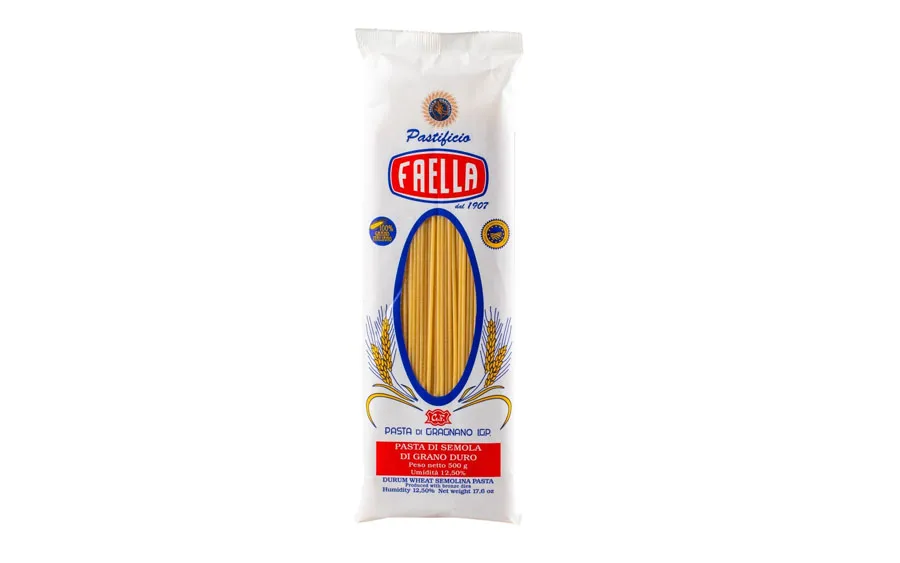
Gragnano Spaghetti PGI from Pastificio Faella has embodied the essence of Neapolitan pasta-making tradition since 1907. This iconic shape of Italian cuisine is made with 100% Italian durum wheat semolina and pure water from the Lattari Mountains, according to the strict PGI certification specifications. Bronze-drawing creates the characteristic porous, rough surface that perfectly captures every sauce, while slow drying at temperatures never exceeding 48°C preserves the intense aroma of ripe wheat and ensures exceptional cooking stability. A diameter of approximately 2 millimeters makes these spaghetti perfect for any preparation: from the simplicity of spaghetti aglio, olio, and peperoncino to the complexity of carbonara, from the seafood aromas of clams to the richness of the land with San Marzano tomatoes and basil. In eleven minutes of cooking, the pasta is perfectly al dente, elastic, and firm, and never overcooked. The Aticelca 501-certified porcelain paper packaging is completely recyclable, demonstrating the pasta factory's commitment to environmental sustainability.
3,80 €
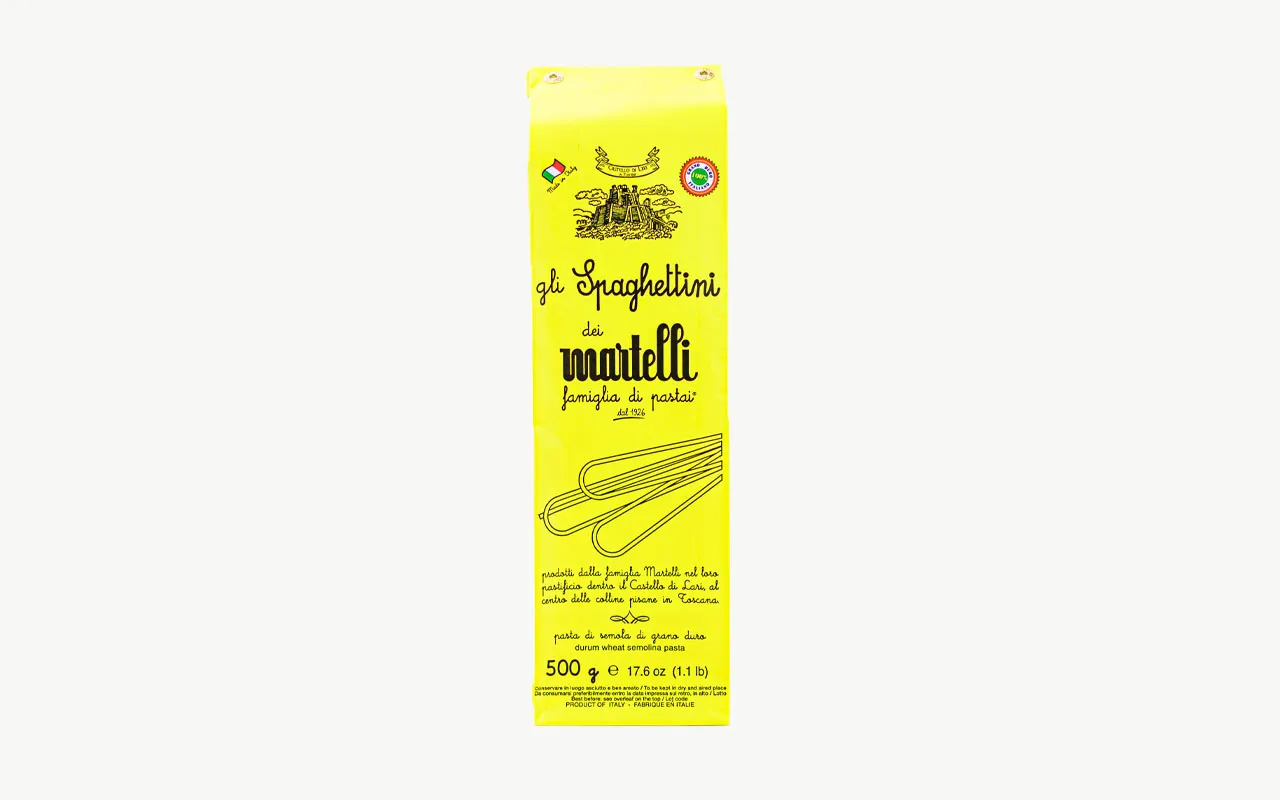
Spaghetti from the Martelli pasta factory is a delight. Bronze drawn and with a low temperature drying of about 50 hours, they reveal the love and the great pasta tradition of the Martelli family with each forkful.
3,50 €
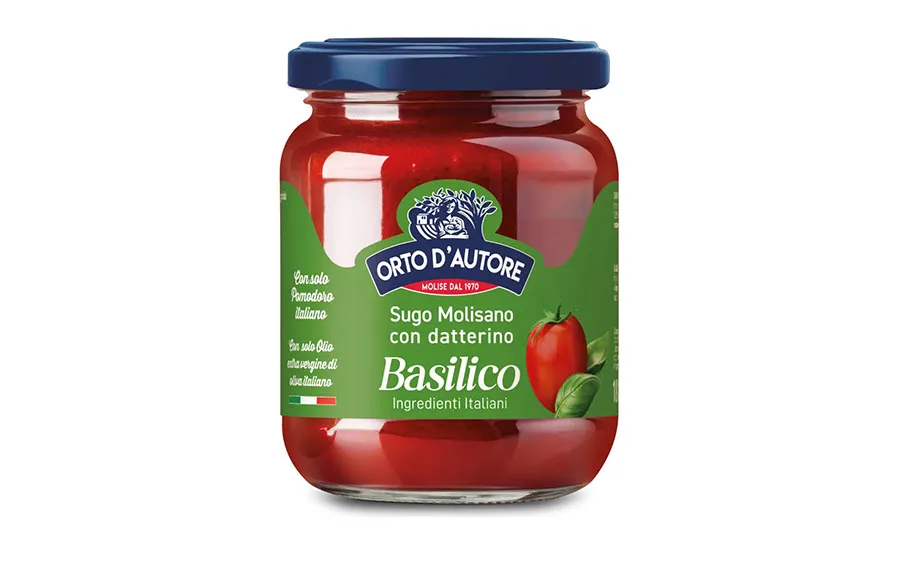
Orto d'Autore's Tomato and Basil Sauce is the essence of simplicity and freshness. Made with 100% Italian tomatoes, harvested and processed daily in the heart of Molise (Ururi, Campobasso). Production takes place only in summer to ensure maximum flavor. Made with only tomatoes, sea salt, and basil, it's a product without flavorings or preservatives, where the goodness is guaranteed solely by nature and artisanal processing.
3,08 €
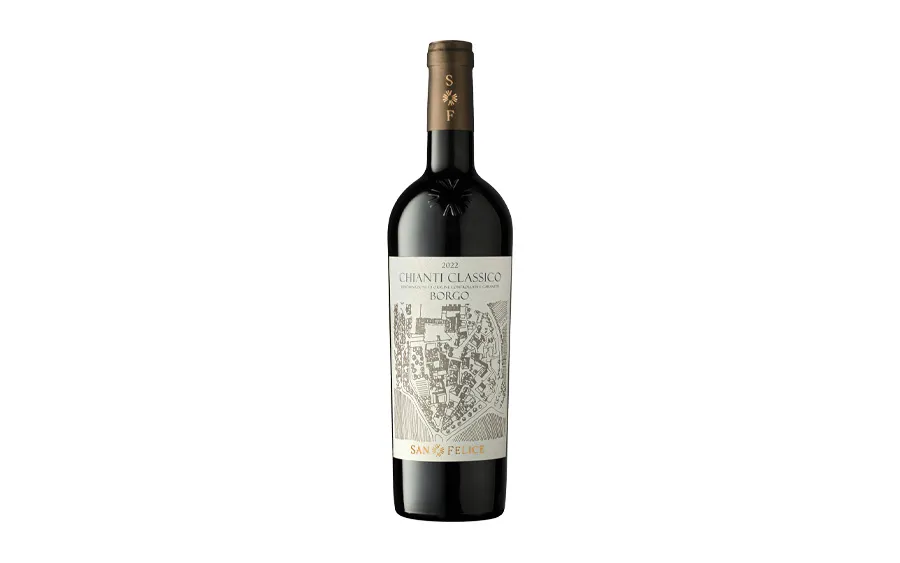
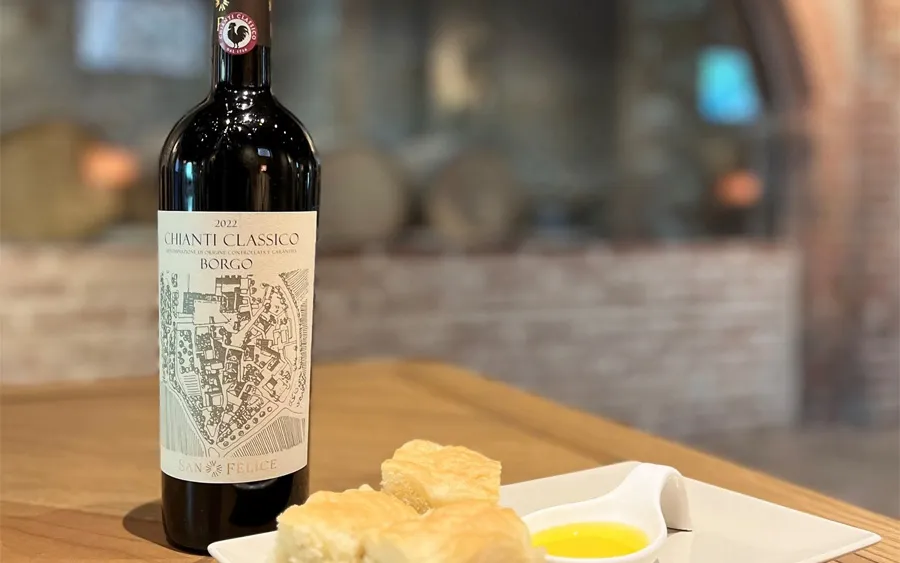
Vino Chianti Classico Borgo 2022 di San Felice is a red wine that tells the most authentic soul of Chianti Classico. Sangiovese and Pugnitello come together in a harmonious blend, giving life to a fragrant, energetic and personality-rich wine.
24,50 €