The Most Iconic Format of Italian Cuisine
Spaghetti is probably the most well-known and beloved pasta shape in the world, an undisputed symbol of Italian cuisine and an ambassador of our gastronomic culture in every corner of the planet. The word spaghetti first appeared in the Italian dictionary in 1819, when this shape became a staple of Neapolitan cuisine. The name likely derives from its resemblance to string, a term that later became "spaghetti" as a nickname, describing these long, thin strands of pasta that have conquered the world.
The history of spaghetti has its roots in medieval Sicily, where in the 12th century, the Arab geographer al-Idrisi described the production in Trabia of a threadlike pasta called itriyya, which was dried and shipped throughout the Mediterranean. From there, thanks to the intense trade of the Kingdom of Naples, this pasta spread to Amalfi, Naples, and Salerno, where it definitively acquired its modern form and the processing techniques that still characterize artisanal production today.
Over the centuries, spaghetti became the staple of the Neapolitan people, so much so that until the late 19th century, it was still eaten with one's hands in the alleys of Naples, as the forks of the time were too sharp and impractical. It was the court chamberlain Gennaro Spadaccini, at the request of Ferdinand II of Bourbon, who redesigned the fork with four shorter, rounded prongs, finally allowing spaghetti to be served at court and become a dish worthy of the aristocracy.
The Centuries-Old Tradition of the Faella Pasta Factory
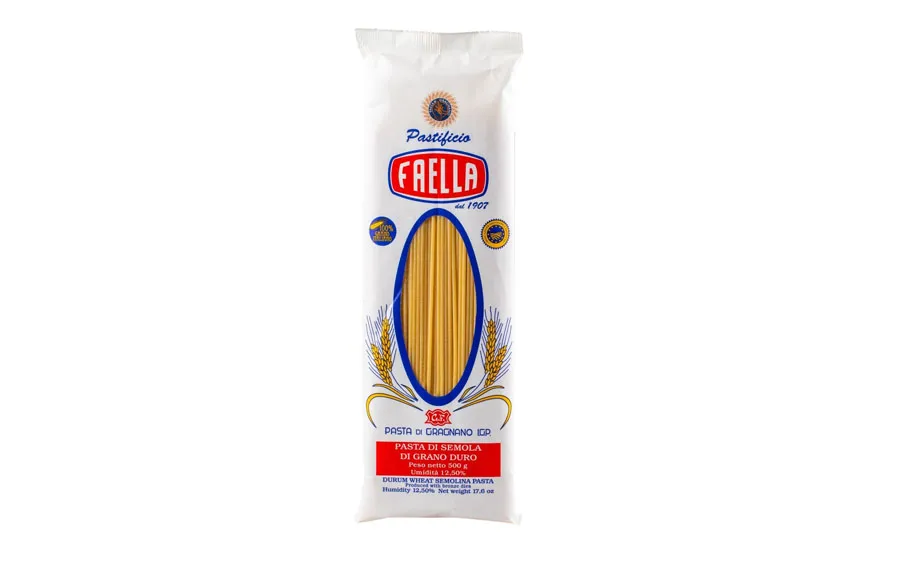
Pastificio Gaetano Faella was founded in the heart of Gragnano in 1907, when Gaetano Faella decided to dedicate his life to the centuries-old art of producing excellent durum wheat pasta. The historic location in Piazza Marconi, also known as Piazza San Leone, has remained unchanged for over a century, testifying to the continuity of a family tradition that has spanned three generations without ever betraying the principles of artisanal craftsmanship.
In 1941, the pasta factory received prestigious recognition when His Royal Highness the Prince of Piedmont awarded the company the title of Official Supplier to the Royal Household with patent number 144, attesting to the company's excellent quality. Mario Faella, the founder's son and a Knight of Labor, inherited from his father not only the company but also, above all, the philosophy of "making good maccarun," continuing the Gragnano pasta-making tradition with unwavering dedication even during the most difficult times of the twentieth century.
Today, the company is run by Sergio Cinque and his family, Mario Faella's grandsons, who keep the original mission alive by using only carefully selected Italian durum wheat semolina, pure spring water from the Lattari Mountains, slow kneading, bronze die-casting, and traditional drying at very low temperatures. Each stage of production respects the natural ripening times of the raw materials, rejecting the shortcuts of industrial production in favor of absolute quality.
The Gragnano Pasta PGI Certification
Since 2013, Pasta di Gragnano has been recognized as a Protected Geographical Indication by the European Union, thus joining the elite group of internationally protected Italian agri-food products. This certification is not just a mark of geographical origin, but represents compliance with strict production specifications that define every aspect of the manufacturing process.
Gragnano, a town located on the slopes of the Lattari Mountains in the province of Naples, has been known for centuries as the Pasta Capital thanks to its unique climate. Sea breezes wafting up the mountains from the Gulf of Naples, meeting with cool air from the hills, have for centuries created the ideal microclimate for the natural drying of pasta. This perfect combination of humidity and ventilation allowed pasta makers to dry the pasta slowly, preserving all of its organoleptic properties.
The PGI (Protected Geographical Indication) regulations require the exclusive use of durum wheat semolina grown and milled in Italy, water from the local aquifer, rigorous bronze die drawing, slow drying at a controlled temperature, and packaging in the Gragnano area. Pastificio Faella is certified by the Consortium for the Protection of Gragnano PGI Pasta and by an inspection body authorized by the Ministry of Agriculture, guaranteeing full compliance with all these requirements.
The Artisan Production Process
The creation of Faella Spaghetti begins with the careful selection of durum wheat semolina sourced exclusively from Italian farms. The pasta factory has maintained decades of trusted relationships with select mills that supply semolina characterized by a high gluten index, high protein content, and perfect grain size. These characteristics are crucial in determining how the pasta will cook and its final texture.
The water used comes from the pure springs of the Lattari Mountains, a characteristic element that gives the pasta its unique qualities. This water, rich in mineral salts yet perfectly balanced, combines with the semolina to create a dough with an ideal structure. The kneading phase is carried out very slowly, allowing the semolina to gradually and evenly hydrate, thus developing the gluten network that gives the pasta its structure and strength.
Bronze die-cutting is the heart of artisanal pasta production. Unlike the Teflon dies used in modern industry, which produce smooth and slippery pasta, bronze dies create a porous, rough surface that holds sauces better. This slower process requires more energy and constant maintenance of the dies, but the end result is unmistakable: a pasta with a velvety texture that, during cooking, develops the perfect roughness to capture any type of sauce.
Drying takes place in traditional drying rooms at temperatures never exceeding 48 degrees Celsius. For spaghetti, this process requires at least forty-eight hours, a very long time compared to the few hours required for industrial drying at high temperatures. This slowness is essential to preserve the grain's organoleptic properties, its intense aroma, authentic flavor, and, above all, its nutritional value. The resulting pasta has a natural golden yellow color, free from the unnatural shine of industrial pasta, and upon opening the package, it releases the unmistakable aroma of freshly ground wheat.
The Distinctive Characteristics of Faella Spaghetti
Faella Gragnano PGI Spaghetti has a diameter of approximately two millimeters, the classic thickness that represents the perfect balance between delicacy and texture. The standard length of twenty-five centimeters is the traditional one, ideal for rolling with a fork according to the classic Italian technique. The surface, thanks to the bronze-drawn process, appears matte and slightly wrinkled, characteristics that translate into superior sauce-holding capacity.
The texture is velvety and never slippery, a hallmark of artisanal production. During cooking, the spaghetti releases just the right amount of starch into the water, creating the precious cooking water that expert chefs use to blend sauces and create perfect emulsions. The pasta maintains a supple and firm consistency even after cooking, never falling apart or losing its shape, a key characteristic of true Italian pasta.
The aroma released during cooking is intense and enveloping, with notes of toasted wheat and hazelnut that fill the kitchen. The flavor is full and robust, never neutral or bland like commercial pasta. Even tasted plain, this pasta reveals the quality of the semolina used and the respectful processing it undergoes.
Classic Pairings and Traditional Recipes
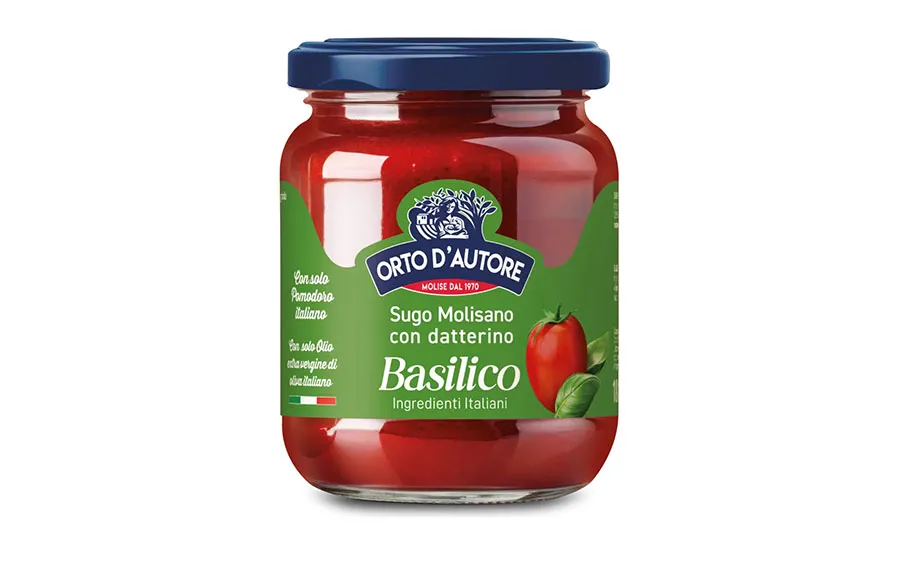
Spaghetti is the most versatile pasta shape in Italian cuisine, capable of enhancing any sauce. In Neapolitan tradition, it shines with San Marzano DOP tomato sauce, fresh basil, and a drizzle of Campanian extra virgin olive oil—a simple dish that requires the highest quality ingredients. Faella Spaghetti, with their ability to hold the sauce, make this dish a sublime experience.
For seafood, this spaghetti is unsurpassed with clams, where the saltiness of the shellfish pairs perfectly with the roughness of the pasta, or with mixed seafood, scampi, octopus, or mussels. Campanian tradition also includes spaghetti alla puttanesca, with cherry tomatoes, olives, capers, garlic, and chili pepper, a rich and flavorful dish that calls for a robust pasta like Gragnano.
Spaghetti is the star of egg-based dishes like carbonara, where the creamy emulsion of egg yolk and pecorino cheese blends perfectly with the pasta's porous surface. They're equally excellent with amatriciana, cacio e pepe, or gricia, the great Lazio classics that have conquered the world.
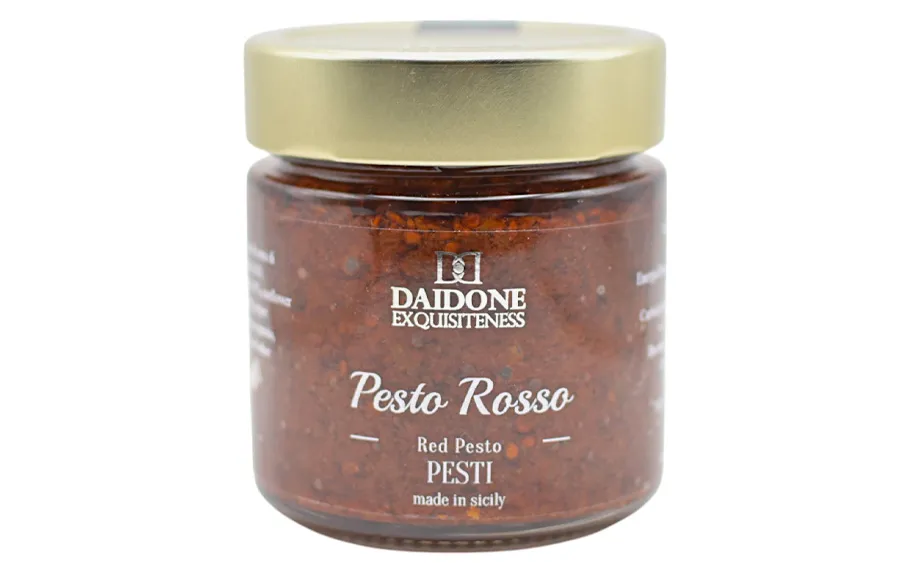
For those who love vegetable flavors, these spaghetti are delicious with the classic garlic, oil, and chili pepper sauce, a preparation that, in its extreme simplicity, reveals the quality of the pasta. They're also excellent with all kinds of pesto sauces, from classic Ligurian basil pestos to Sicilian pestos with sun-dried tomatoes and almonds, or with vegetable sauces like eggplant, zucchini, peppers, or artichokes.
Southern Italian tradition also includes spaghetti with Cetara anchovy sauce, an intense and precious condiment that requires high-quality pasta to be fully appreciated, or with anchovies and toasted breadcrumbs, a traditional humble dish that becomes sublime with excellent ingredients.
The Secrets to Perfect Cooking
Cooking spaghetti perfectly requires attention and following some fundamental rules of Italian tradition. The correct ratio is seven liters of water for every kilogram of pasta, so about three and a half liters for a five-hundred-gram packet. This abundance of water is essential to allow the spaghetti to move freely during cooking without sticking together.
The water must reach a lively boil before adding salt. The correct amount of salt is about ten grams per liter of water, so thirty-five grams to cook half a kilo of spaghetti. Salt should be added only when the water is boiling, never before, to avoid damaging the pans and to allow the water to reach boiling point faster.
The spaghetti should be lowered into the boiling water all at once, holding them vertically and then gently pushing them down as they soften at the bottom. They should never be broken, a practice considered sacrilegious in Italian tradition. During the first few minutes, it's important to stir gently with a wooden fork to prevent them from sticking together or to the bottom of the pan.
The recommended cooking time is eleven minutes, but the real secret is to taste the pasta one minute before the indicated time. The pasta should be al dente, slightly firm to the bite but fully cooked through, with no white spots in the center. This degree of cooking allows the pasta to maintain its structure and continue to cook slightly when stirred in the sauce.
Before draining, it's essential to remove at least a generous ladle of the cooking water. This water, rich in the starch released by the pasta, is an invaluable ingredient for creating perfect emulsions with sauces, binding the sauce to the pasta in a creamy and even manner. Spaghetti should be drained al dente and never rinsed under cold water, a practice that would remove the surface starch needed for the sauce to adhere.
For a professional result, the best technique is to finish cooking the pasta directly in the pan with the sauce, adding the cooking water gradually while stirring vigorously. This process, called mantecatura, creates a perfect emulsion between the pasta and the sauce, ensuring that each individual spaghetti is evenly coated in the sauce.
Sustainability and Environmental Respect
Pastificio Faella demonstrates great attention to sustainability through informed and environmentally friendly production choices. Each pasta package is made of fully recyclable porcelain paper, certified Aticelca 501, a standard that guarantees the full recyclability of the packaging along with the paper. This choice eliminates the use of difficult-to-dispose plastics and composite materials, significantly reducing environmental impact.
Using only durum wheat grown in Italy drastically reduces the carbon footprint of international transportation and supports the national agricultural supply chain, while ensuring maximum traceability of the raw material from field to fork. Working with trusted Italian mills creates a network of excellence that enhances the local area and keeps traditional skills alive.
Artisanal low-temperature production, while much more time-consuming than industrial processes, is more sustainable in the long run in terms of energy consumption per unit of product. Traditional drying kilns, which operate at temperatures never exceeding 48°C (108°F), consume less energy than high-temperature industrial dryers that operate at temperatures above 90°C (200°F).
The company also maintains a human-scale production approach, avoiding massive industrial production that requires enormous amounts of resources. This choice to remain faithful to the artisanal dimension means producing less but producing better, a sustainable economic model that prioritizes quality over quantity.
The Cultural Value of Spaghetti
Spaghetti has become a symbol of Italianness around the world, so much so that Western films produced and directed by Italian directors have been nicknamed "spaghetti westerns." This pasta shape has transcended its role as a simple food to become a cultural icon, representing the values of Italian cuisine across five continents: simplicity, quality ingredients, respect for tradition, and conviviality.
Spaghetti has played a starring role in Italian cinema, from Totò's famous scene in "Poverty and Nobility" where he stuffs it into his jacket pocket, to Alberto Sordi's legendary line in "An American in Rome": "Maccarone, you provoked me and I'll destroy you now!" These scenes have entered the collective imagination, representing the visceral relationship between Italians and their pasta.
Spaghetti also represents a moment of sharing and conviviality. Eating a plate of spaghetti requires time, attention, and a certain ritual: from rolling it with a fork to eating it quickly enough to enjoy it while it's still hot. This pasta shape, more than any other, embodies the philosophy of the Italian meal as a moment of pause, connection, and pleasure, as opposed to the rush of fast food.
Nutritional Values
Average values per 100 grams of product:
Energy: 359 kcal / 1521 kJ
Fat: 1.4 grams (of which saturated fatty acids: 0.3 grams)
Carbohydrates: 73 grams (of which sugars: 3.3 grams)
Dietary fiber: 2.1 grams
Protein: 13 grams
Salt: 0 grams
Vitamin D: 0 micrograms
Calcium: 0 milligrams
Iron: 0.6 milligrams
Potassium: 95 milligrams
Spaghetti is an excellent source of complex carbohydrates, providing slow-release energy, ideal for those who participate in physical activity or simply to get through the day with energy. The high protein content, thirteen grams per 100 grams of product, is higher than the average for commercial pasta and is a testament to the quality of the semolina used. The complete absence of added salt allows for complete control of sodium intake during cooking, making it suitable for even those with limited diets.
Ingredients
Durum wheat semolina, water.
Wheat growing country: Italy
Country of milling: Italy
The extremely short list of ingredients testifies to the purity of this product. No additives, preservatives, colorings, or artificial enhancers are added during production. Only the highest-quality semolina and pure water are used, just as they were made over a century ago when Gaetano Faella founded the pasta factory.
Allergens
Contains: gluten (durum wheat)
May contain traces of: soy, mustard
The product does not contain eggs, milk, tree nuts, fish, crustaceans, molluscs, celery, lupins, sesame, sulfur dioxide, or sulfites in concentrations exceeding 10 milligrams per kilogram. Production takes place in a facility that also processes products containing soy and mustard, so accidental contamination, even if minimal, cannot be ruled out.
Format and Storage
Format: 500 gram pack
Cooking time: 11 minutes
Storage: Store in a cool, dry place, away from heat and direct sunlight, and avoid humid environments. After opening, carefully reseal the package and consume within a few months to best preserve its aroma and organoleptic characteristics.
The porcelain paper packaging, in addition to being completely recyclable, effectively protects the pasta from light, humidity, and external odors. It's important to store the pasta in optimal conditions to maintain its quality until consumption.
Certifications
Gragnano PGI pasta certified by a control body authorized by the Ministry of Agricultural, Food and Forestry Policies (Mipaaf)
Recyclable packaging with Aticelca 501 certification
Made in Italy with 100% Italian wheat
These certifications guarantee full compliance with the highest European quality standards and complete traceability of the production chain from field to table.
Why Choose Faella Spaghetti
Choosing Spaghetti di Gragnano PGI from Pastificio Faella means bringing to your table a product embodying over a century of history, passion, and dedication to quality. The difference compared to commercially produced pasta is immediately noticeable: from the intense aroma of wheat released upon opening the package, to the rough surface you can feel, to the exceptional resistance during cooking that guarantees pasta that is always perfectly al dente, and to the full-bodied flavor that doesn't require elaborate sauces to be appreciated.
The PGI certification ensures that every stage of production meets the highest quality standards and the strict regulations that protect Gragnano's centuries-old tradition. The exclusive use of Italian wheat guarantees complete traceability throughout the supply chain and supports national agriculture. The sustainable packaging reflects a genuine commitment to environmental protection, allowing you to enjoy an excellent product without any ecological guilt.
Faella Spaghetti isn't simply a pasta shape; it represents a bridge between past and present, between the wisdom of ancient master pasta makers and the demands of modern consumers who seek quality, authenticity, and sustainability. Every forkful tells the story of Gragnano, its unique microclimate, the expert hands that still oversee every stage of production, and the passion of three generations who have made pasta not just a profession but a true life mission.
In an age where everything moves so quickly and industrial production has standardized flavors, choosing Faella Spaghetti means slowing down, taking the time to cook with care, sitting down at the table, and rediscovering the authentic pleasure of a properly made pasta dish. It means respecting the work of those who still choose the more difficult path, that of artisanal quality, rejecting modern shortcuts in favor of the tradition that has made Italian pasta famous throughout the world.
Important: Manufacturers may change the composition of their products. This means that product packaging may contain different information than that shown on Tumn®. Therefore, please always pay attention to the label and read the warnings and instructions provided on the product before using it.
Important: Manufacturers may change the composition of their products. This means that product packaging may contain different information than that shown on Tumn®. Therefore, please always pay attention to the label and read the warnings and instructions provided on the product before using it.




 Italiano
  Espanol
  German
  French