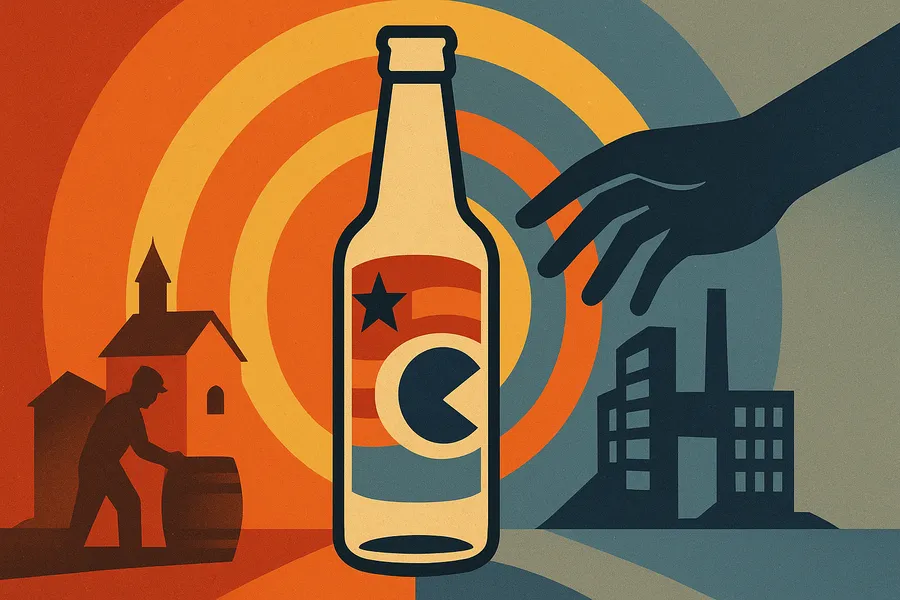
There's a specific moment when a consumer's trust is shattered. It happens when they discover that the reassuringly designed bottle, with colors evoking local traditions and names that seem to sing ancient tales of malt and hops, conceals a very different reality. It happens when they realize that their purchase, intended as a support for Italian craftsmanship, has actually funded foreign industrial conglomerates that have merely exploited our manufacturing identity as a logo.
Beer is perhaps the most emblematic example of this silent colonization that has hollowed out Italy's productive fabric from within, transforming historic brands into mere commercial concessions managed by international holding companies. And while the average consumer continues to believe they're drinking Italian, the truth travels in containers across oceans, bottled in factories where Italy is merely a label, and produced in countries where labor costs allow margins our small producers can't even imagine.
The Corona Case: Mexico Moves to China
The Corona affair perfectly illustrates the absurdity of the globalized beer market. This beer, which has become the very symbol of Mexico in the collective imagination—so much so that it is ritually served with a lime wedge stuck in the neck of the transparent bottle—is now produced in China for the European market. This is not a temporary or emergency production, but a strategic choice by AB InBev, the Belgian-Brazilian giant that controls the brand.
The paradox reaches its peak when we consider that many Italian consumers choose Corona precisely for that sense of authentic exoticism, for that flavor supposedly reminiscent of Caribbean beaches and Mexican traditions. What they drink is instead the result of industrial Chinese production, retaining only the name printed on the label. The water, the malt, the production process, even the air that passes through the factories: everything is Chinese, except the commercial pretense.
This transformation raises a fundamental question: what remains of a beer's identity when its place of production becomes irrelevant? And above all, why should consumers continue to pay a premium for an authenticity that simply no longer exists?
When our brands become foreign
While the Corona affair seems distant, almost exotic in its absurdity, the story of Italian beer brands ending up in foreign hands concerns us much more directly. It represents the systematic erosion of our productive sovereignty, sold piece by piece to multinationals that have transformed local identities into financial assets.
Peroni, founded in Vigevano in 1846 and moved to Rome in 1864, represented a piece of Italian industrial history for over a century and a half. The brand evoked Rome's dolce vita, the taverns where football and politics were discussed over a cold lager. Today, it belongs to the Japanese company Asahi, which acquired it in 2016 for €2.55 billion. Production still takes place in Italy, but strategic decisions, profit margins, and investments in research and development are driven by a logic centered in Tokyo, no longer in Italy.
Even more emblematic is the case of Ichnusa, a beer whose name bears the ancient Greek name for Sardinia. Founded in Cagliari in 1912, it represented a powerful symbol of the island's identity. Since 1986, it has been owned by the Heineken Group, a Dutch multinational that also controls Birra Moretti and other historic Italian brands. The irony reaches almost grotesque levels when considering the advertising campaigns, which continue to heavily emphasize the product's Sardinian origins, its island authenticity, and its visceral connection to the region. A region that now counts only as a backdrop for television commercials and a repository of emotional loyalty to be exploited commercially.
Birra Messina, founded in 1923 on the Strait of Messina, represents perhaps the most emblematic case of territorial deception. After several changes of ownership, it ended up in the Heineken portfolio. The historic Messina plant was closed and production moved to Massafra, in the province of Taranto – over 500 kilometers from the Sicily that the brand claims to represent. The brand is used to dominate the Sicilian market by shamelessly exploiting local parochialism, while profits are channeled to Amsterdam and the beer is brewed in Puglia. Only in 2019, after years of protests and thanks to the tenacity of a cooperative of former workers, a marginal portion of production was symbolically returned to Messina. But strategic control remains completely alien to the local area, and the vast majority of "Sicilian beer" continues to be produced hundreds of kilometers from the island.
Birra Raffo, a historic Apulian brand founded in Taranto in 1923, is an equally painful case. After passing through various ownerships, it ended up under the control of Asahi. A brand that had accompanied generations of Taranto residents, a cornerstone of local identity in a city already deeply affected by the industrial crisis, became yet another asset in the hands of a foreign giant that turned local history into a mere marketing ploy.
Dreher, founded by Austrian Anton Dreher and historically linked to Trieste and Milan, has followed the same path. Today, it belongs to Asahi, which uses it to address specific market niches. The name still evokes Central European traditions and Viennese coffeehouses, but the production reality is that of a brand managed by global financial logic.
How the marketing of false Italianness works
The large corporations that control these brands have perfected a communication strategy we might call "Italianness by proxy." Labels continue to evoke specific territories, advertisements showcase breathtaking landscapes and authentic people, and testimonials speak dialect and celebrate local traditions. This entire communication apparatus serves to maintain the illusion that consumers are supporting a local producer, that their purchase contributes to the local economy, and that the beer truly tells an authentic story.
The reality is that these are carefully crafted marketing operations designed to exploit the emotional and identity-based component of consumption. Profit margins, which could fuel local investment, research, and quality employment, instead find their way to tax havens and the consolidated balance sheets of multinationals accountable only to their shareholders. The region becomes a movie set, a repository of images to be used in advertising campaigns, and nothing more.
Many consumers believe that by choosing a historic Italian brand, they are automatically supporting the national economy. This belief is based on a fundamental misunderstanding: confusing the physical location of production with economic and strategic control. Even when production physically takes place in Italy, profits, investment decisions, and development strategies are driven by logics that have their decision-making centers elsewhere.
This dynamic has profound consequences. Italian factories become mere interchangeable production sites, potentially relocatable if economic conditions warrant it. Workers lose any real bargaining power, because they are confronted with enormous entities that can shift production from one continent to another as easily as switching suppliers. Production know-how, which should be a national asset, becomes the intellectual property of foreign corporations.
The oligopolistic concentration of the beer market
To truly understand the extent of the phenomenon, we need to look at the numbers on market concentration. In Italy, three-quarters of the beer market is controlled by just two multinational groups: Heineken and Asahi. This de facto duopoly determines prices, controls distribution channels, and decides which products reach the shelves of large retailers and which remain confined to marginal niches.
Small Italian craft breweries, those still holding out and producing authentic beers following rigorous specifications and using local ingredients, find themselves competing in a completely distorted market. They lack access to the same distribution channels, lack comparable advertising budgets, and cannot negotiate with large retailers from a position of strength. The result is that beers of infinitely superior quality remain confined to a niche market, while standardized, industrial products dominate the shelves, passing themselves off as authentic.
The alternative exists: a silent revolution
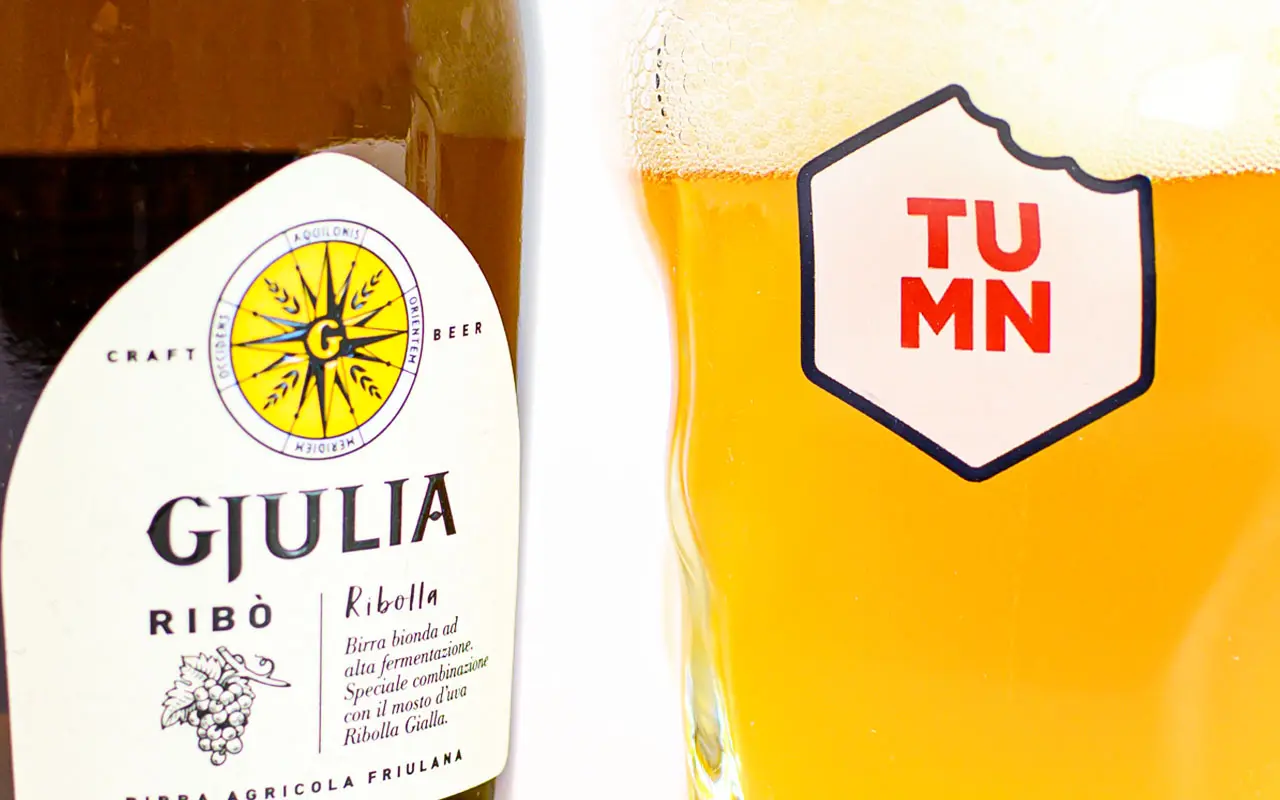
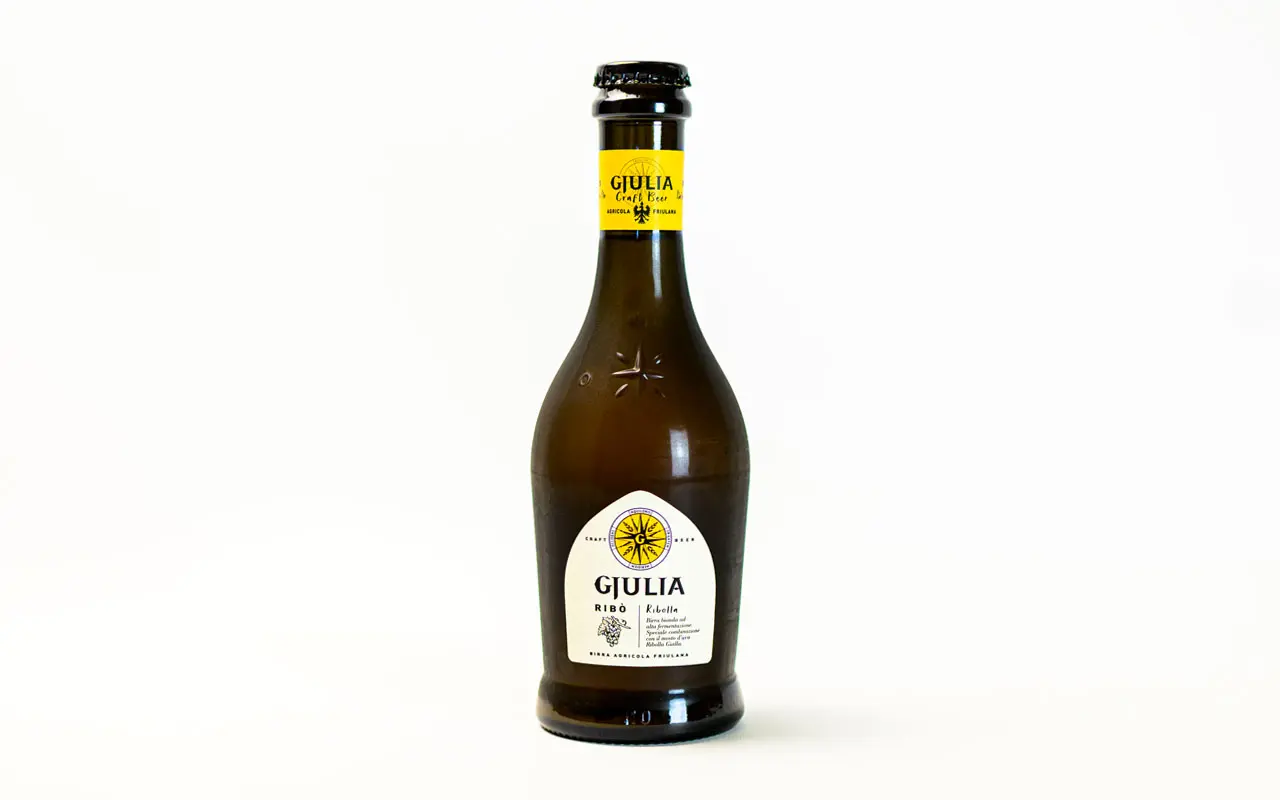
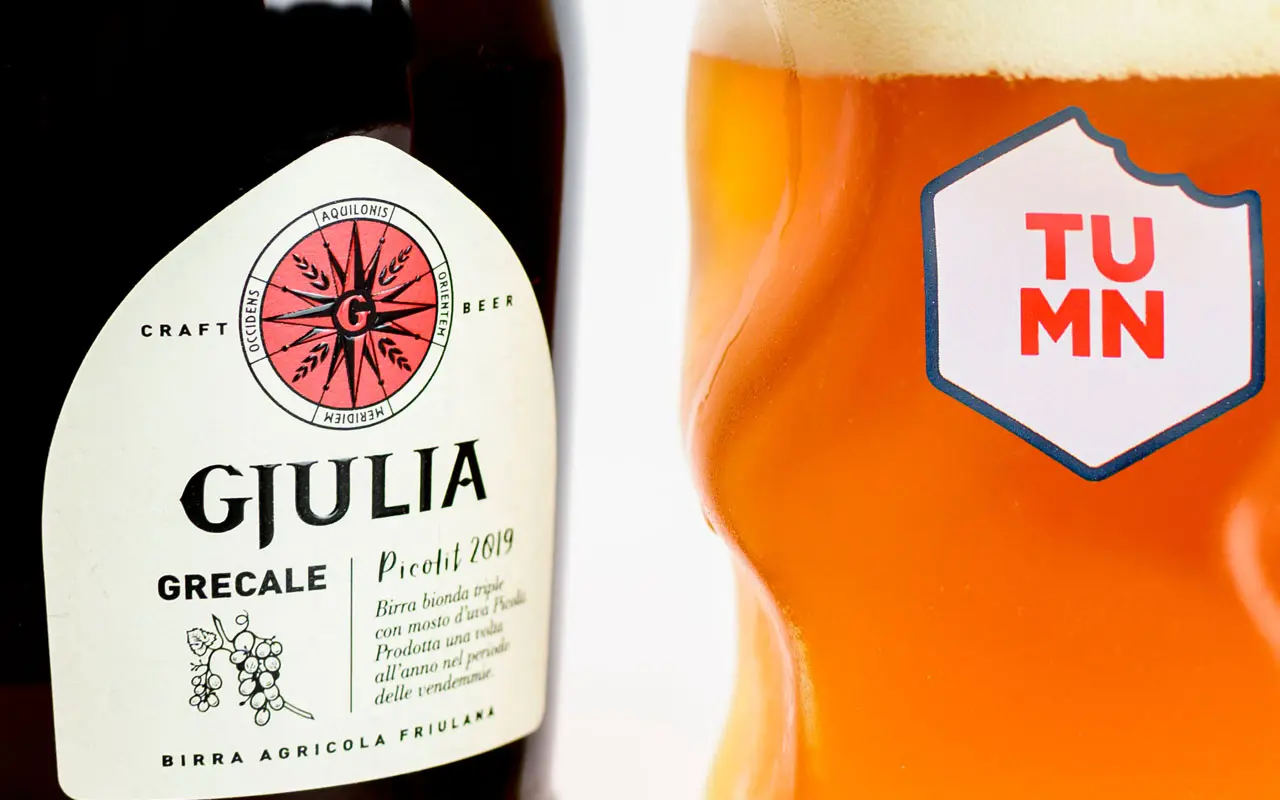
In this bleak landscape dominated by large groups, there are still businesses that represent authentic Italian beer excellence . Small craft breweries, often agricultural, have made quality and a strong connection to the local area their production manifesto. Master brewers who don't limit themselves to standardized recipes, but experiment with local ingredients, reviving regional brewing traditions, and creating beers that are authentic cultural expressions of the territory.
These artisans face daily challenges unheard of by industrial giants. They must personally oversee every stage of production, from growing the raw materials to fermentation, from aging to bottling. They can't afford economies of scale, they don't have extensive distribution networks, and they don't have million-dollar advertising budgets. What they do have is genuine passion, technical expertise built over years, an obsessive respect for quality, and a genuine connection to the land.
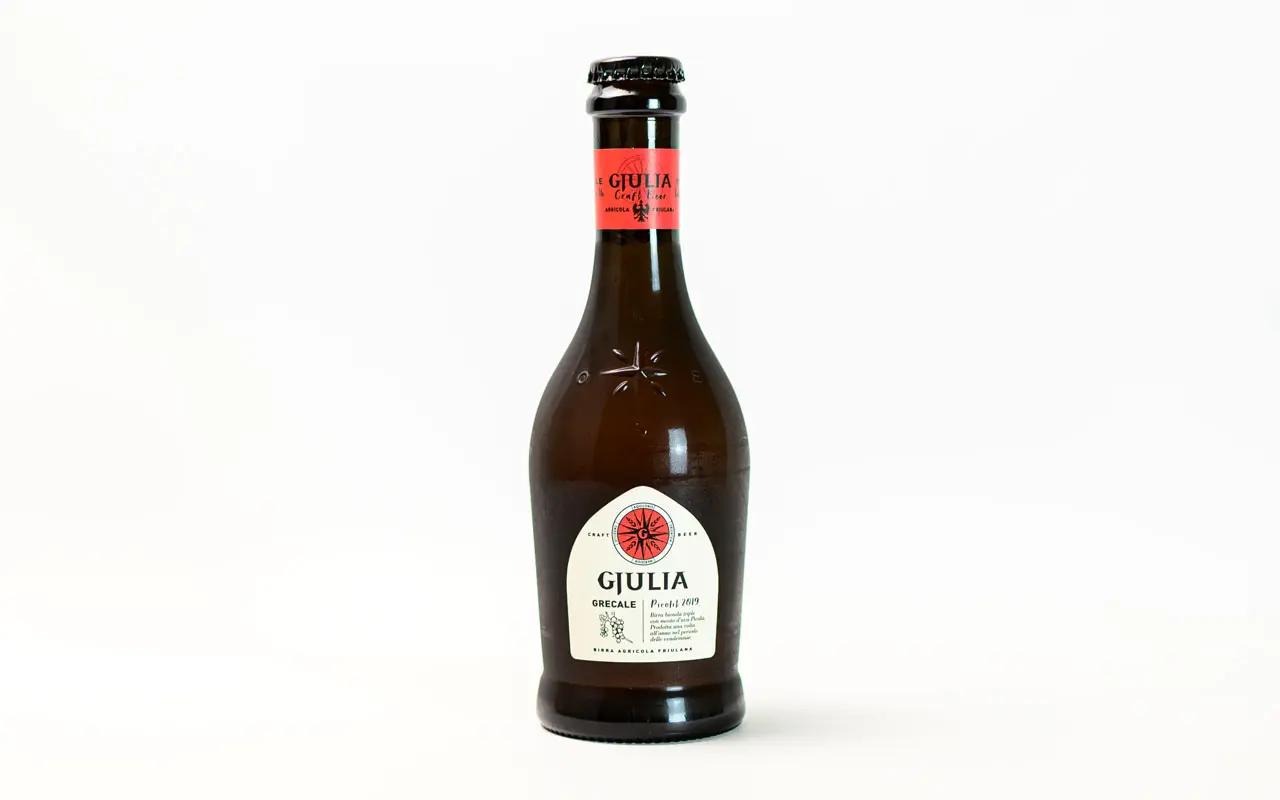
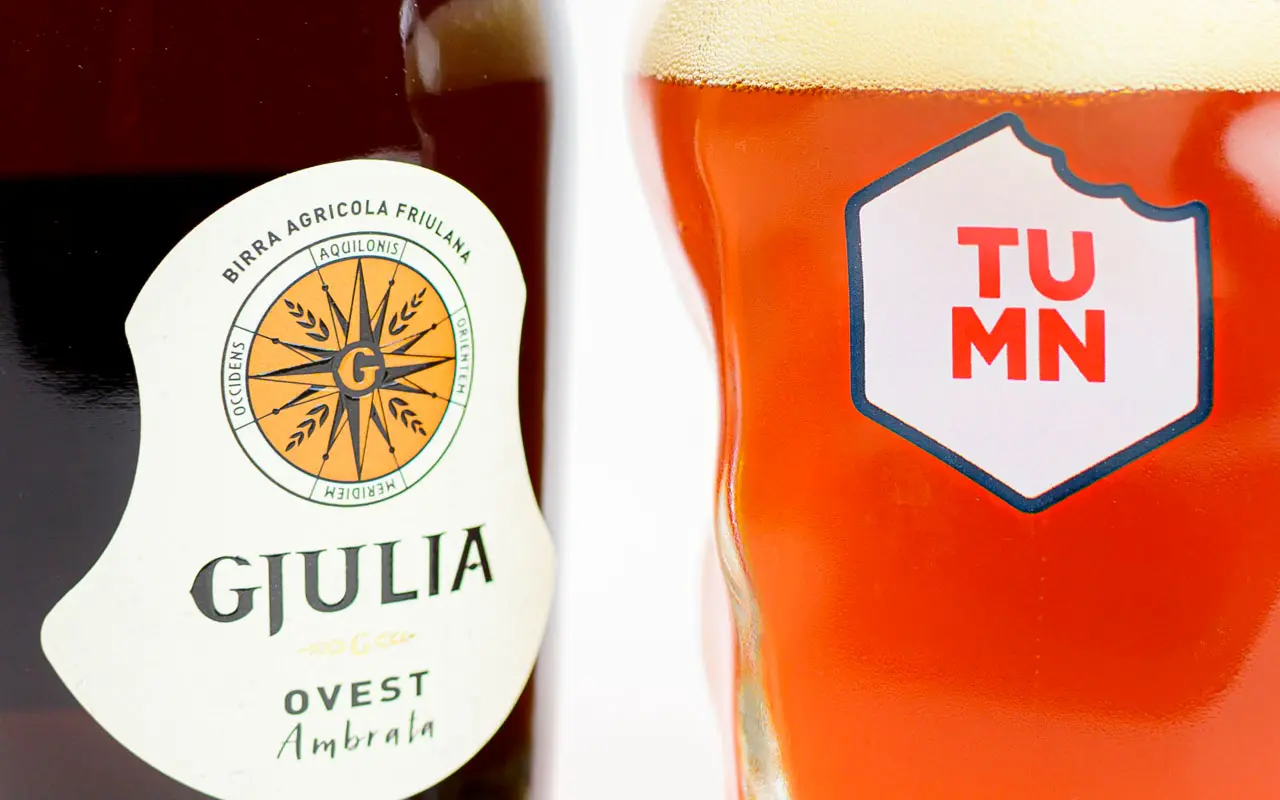
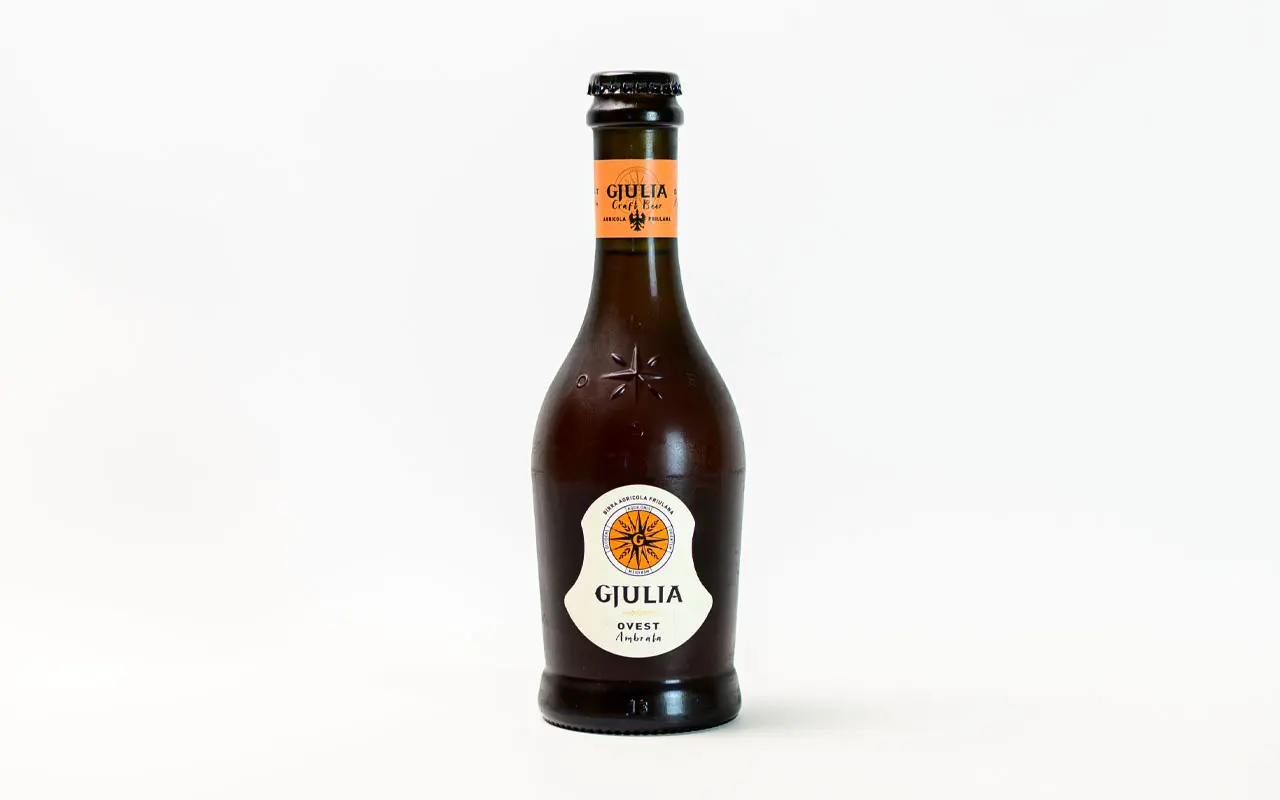
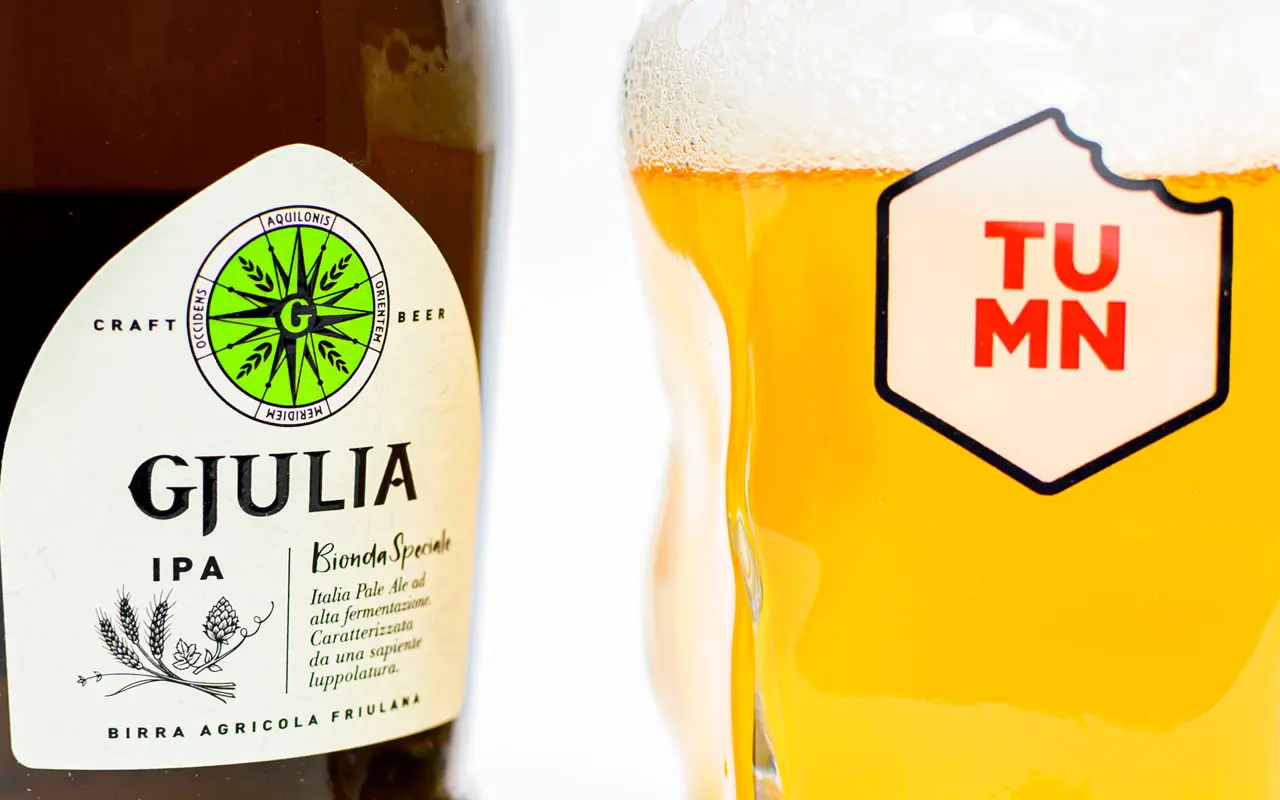
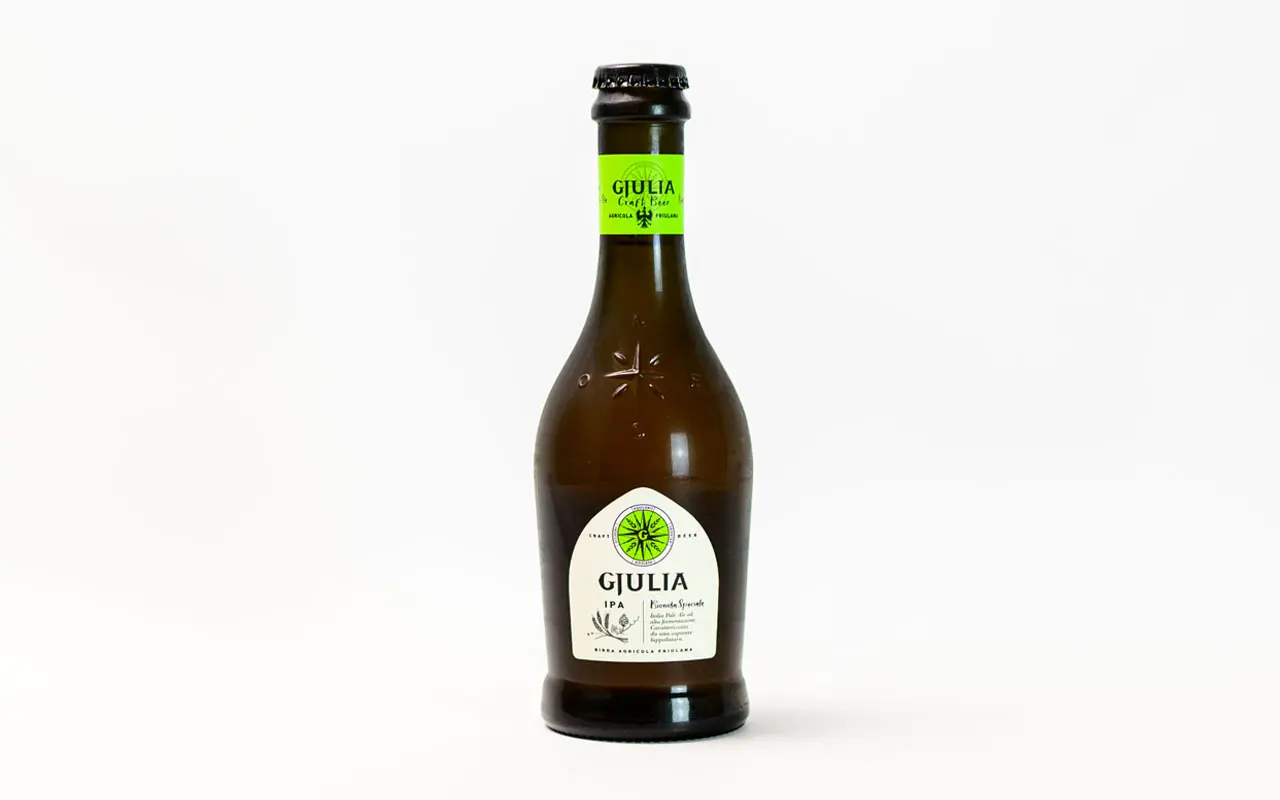
These breweries represent a precious biodiversity of production. Each master brewer develops their own style, experiments with local ingredients, and revives traditions that were at risk of disappearing. In Piedmont, they produce beers with hazelnuts from the Langhe. In Tuscany, they experiment with beers aged in Brunello barrels. In Campania, they use local citrus fruits to create beers that evoke the Mediterranean. In Friuli, producers like the Zorzettig family transform barley from their valleys into internationally award-winning beers.
They are unique, unrepeatable expressions that represent the exact opposite of industrial standardization. Each bottle carries with it not only a fermented liquid, but a story of land, family, and ethical and production choices.
The crossroads of the future
The Italian brewing landscape is currently at a crucial crossroads. On one side, there's increasing pressure from large industrial groups pursuing their strategy of acquiring historic brands and standardizing global production. On the other, there's the courageous resistance of small artisanal producers, representing the last line of defense for an increasingly rare and valuable production authenticity.
The real risk is that, in a few years, Italy will find itself in the paradoxical situation of being perceived abroad as a country with a great beer tradition, while its production will be completely dominated by foreign groups whose only Italian identity is the names printed on the labels. This scenario is not unlike what has already occurred in other sectors, from fashion to food, where historically Italian brands have become the property of investment funds or international corporations that have eroded their original production identity from within.
Preserving Italy's craft beer biodiversity isn't a matter of romantic nostalgia or anachronistic protectionist closure. It's a strategic choice that concerns economic sovereignty, the ability to create and retain added value nationally, and the protection of skills that, once lost, are extremely difficult to rebuild. It's also a matter of commercial integrity and respect for the consumer: if someone decides to pay a premium price for a product marketed as Italian and artisanal, they should receive precisely that, not an industrial substitute produced according to cost optimization and margin maximization.
But what really distinguishes a premium craft beer from these disguised industrial products? What are the concrete, verifiable differences that justify an informed choice? In the next article, we'll explore the radically different production world of true Italian craft beer, where every choice—from raw materials to production times, from corporate philosophy to the relationship with the local area—follows a logic that the industry can't even contemplate.
Sources
Fortune article on Asahi's $3.5 billion acquisition of Peroni as part of antitrust settlements related to the AB InBev/SABMiller mega-merger https://fortune.com/2016/02/10/asahi-peroni-grolsch-sabmiller/
Financier Worldwide reports on Asahi's acquisition of Peroni, Grolsch, and other European brands SABMiller for $7.8 billion, analyzing Japanese expansion strategies https://www.financierworldwide.com/asahi-group-to-buy-inbev-beer-brands-for-78bn
Wikipedia Heineken brands - documentation of Heineken's acquisition of Birra Moretti (1996) and Ichnusa (1986), with details of the Italian production facilities https://en.wikipedia.org/wiki/Heineken_brands
Inside Beer article on Heineken's €73 million investment in the Ichnusa brewery in Assemini, Sardinia, a chronology of Italian acquisitions since 1986. https://www.inside.beer/news/detail/italy-heineken-invests-eur-73-million-in-ichnusa-brewery
Brauwelt article on AB InBev's decision to brew Corona locally in China, Brazil, Colombia, Belgium, and the UK https://brauwelt.com/en/international-report/europe-russia/640067-ab-inbev-to-brew-corona-locally-in-select-markets
Inside Beer report confirms Corona production in China since May 2019, CEO Carlos Brito states on production localization to "increase availability and reduce carbon footprint" https://www.inside.beer/news/detail/mexico-corona-will-lose-some-of-its-aztec-dna
Statista Global Beer Market Share 2023: AB InBev Controls 27% Global Market, Heineken 12.9%, Data on Oligopolistic Concentration in the Beer Sector https://www.statista.com/statistics/257677/global-market-share-of-the-leading-beer-companies-based-on-sales/




 Italiano
  Espanol
  German
  French