Where Great Wines Are Born: A Journey Through the Terroirs of Italy
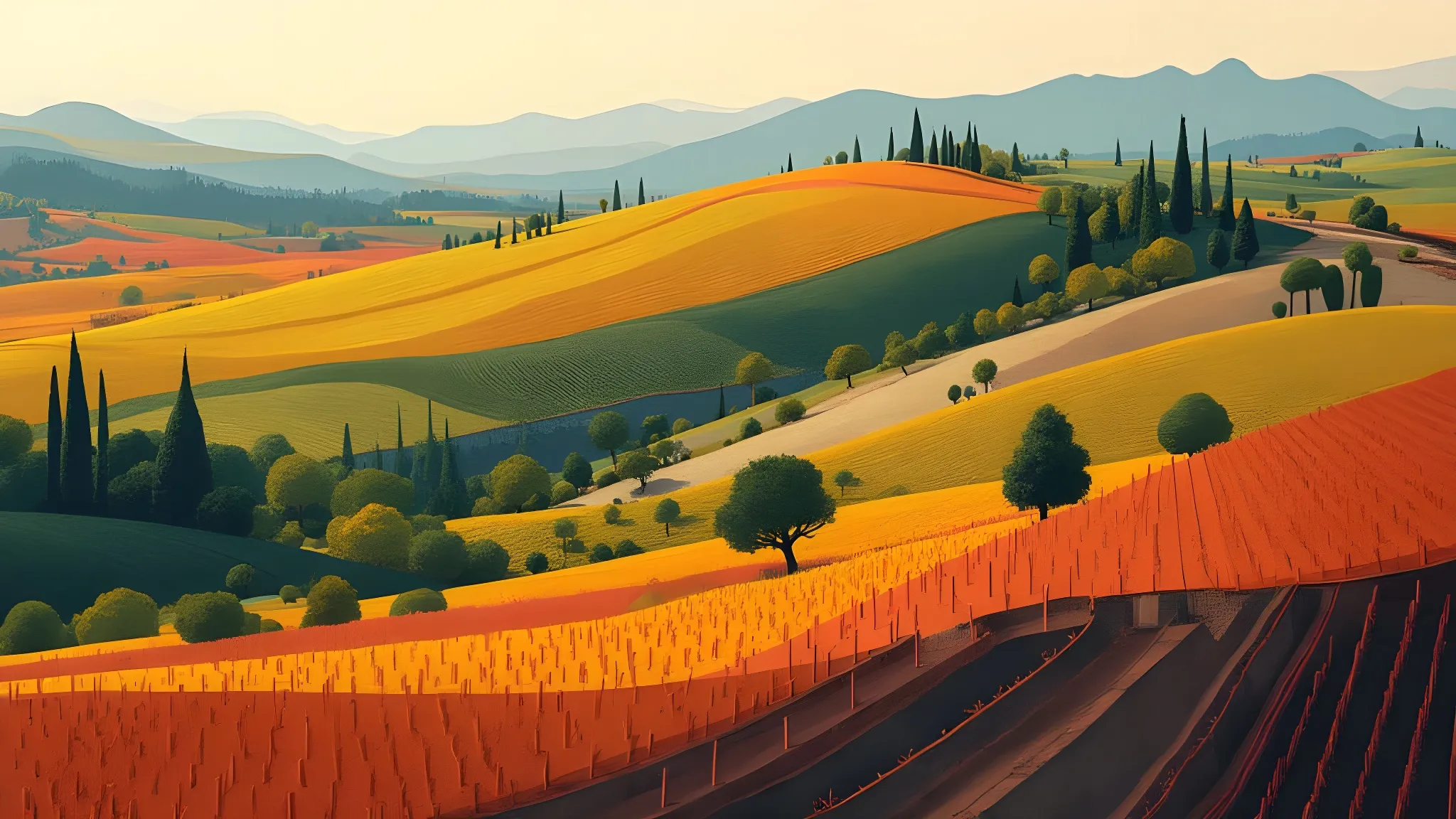
Italy, with its extraordinary geological and climatic variety, offers a mosaic of terroirs unique in the world, each capable of imprinting unmistakable characteristics in the wines. But what makes a terroir so special? And how does it really influence the quality of the wine we drink?
The concept of terroir: a thousand-year-old legacy
The link between wine and territory has its roots in antiquity. Already in the Bronze Age, wines were identified with their production area. Falernum , the famous wine of ancient Rome, is an emblematic example. This awareness has evolved over the centuries, leading to the first geographical delimitations of production areas.
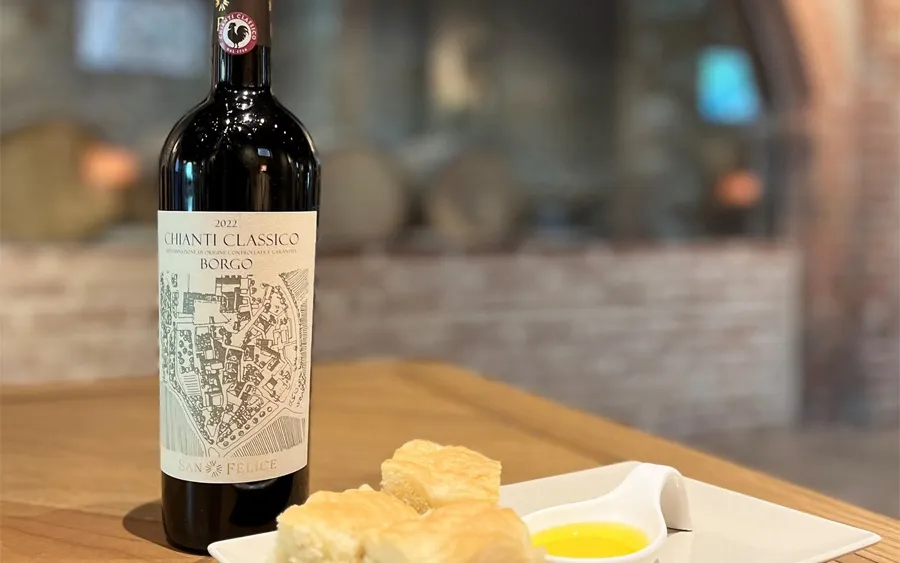
A crucial moment in the history of the terroir is represented by the territorial delimitation of Chianti, issued in the Grand Duchy of Tuscany in 1716. This act not only defined the production boundaries, but also represented a true "zoning" ante litteram, codifying the concept of designation of origin.
Much more than just soil
Terroir is a complex concept that goes far beyond the characteristics of the soil. In fact, it includes:
- Geology and Pedology: The Origin and Composition of Soil
- Climate: temperatures, precipitation, sun exposure
- Topography: altitude, slope, orientation of the slopes
- Biodiversity: local flora and fauna
- Viticultural practices: cultivation techniques passed down from generation to generation
- Human factor: local culture and traditions
These elements interact in a unique way in each territory, creating unrepeatable conditions that are reflected in the distinctive character of the wines produced.
The soil is therefore the foundation of the terroir. Its composition and structure directly influence the development of the vine and the quality of the grapes. In Italy, the great geological variety offers a unique wealth of soils:
- Volcanic soils: rich in minerals, typical of regions such as Campania and Sicily
- Limestone soils: widespread in Tuscany and Umbria, they give elegance and longevity to wines
- Alluvial soils: present in the Northern plains, ideal for fresh and aromatic wines
- Clay soils: common in Piedmont, they give structure and complexity
Each type of soil interacts differently with the vine, influencing the absorption of water and nutrients, and consequently, the organoleptic characteristics of the wine.
Great wines and climate: the director of the harvest
Climate plays a fundamental role in defining the characteristics of a terroir. Italy, with its extension from north to south and the presence of mountain ranges and seas, offers an exceptional climatic variety:
- The continental climate of the North: favors the production of fresh and aromatic wines
- The Mediterranean climate of Central-Southern Italy: ideal for structured and full-bodied wines
- Local microclimates: created by lakes, rivers and reliefs, offer unique conditions for viticulture
The combination of temperature, rainfall and hours of sunshine directly influences the ripening of the grapes and, consequently, the aromatic and flavour profile of the wine.
Man: guardian and interpreter of the terroir
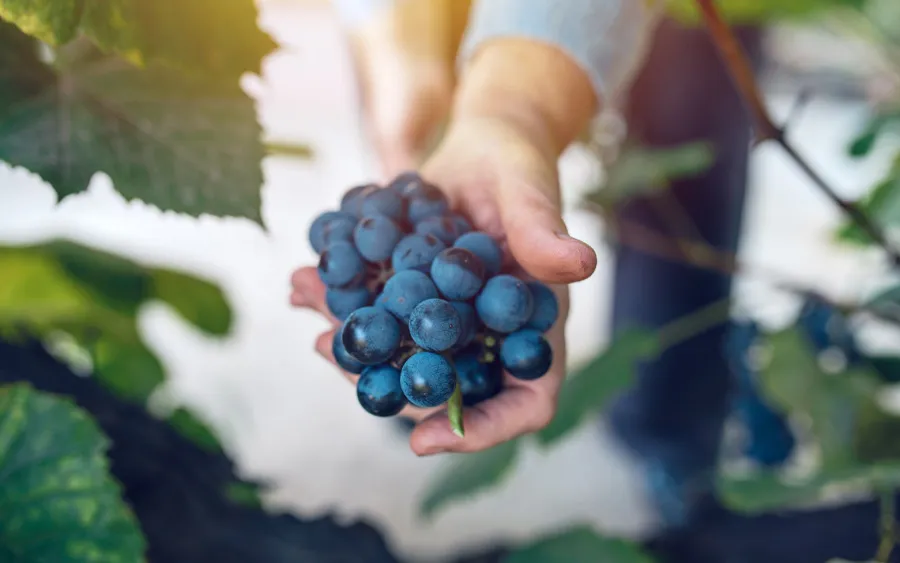
The human factor is the element that transforms the potential of a terroir into reality. The winemaker, with his knowledge of the territory and his choices, interprets and enhances the unique characteristics of each plot:
- Choice of grape variety: select the varieties that best adapt to the terroir
- Growing Techniques: From Pruning to Soil Management
- Winemaking practices: respecting and enhancing the characteristics of the grapes in the cellar
The producer's skill lies in understanding and respecting the terroir, intervening in a targeted way to enhance its potential.
Zoning: A Tool for Understanding Terroir
Viticultural zoning is a scientific approach that aims to understand and map the characteristics of a terroir. Through pedological, climatic and agronomic studies, it allows to:
- Identify homogeneous areas within a denomination
- Optimize the choice of grape varieties and cultivation practices
- Enhance the peculiarities of each micro-zone
This approach, widely used in Italy, has allowed us to define the "Vocational Units", areas that express a homogeneous and distinctive oenological potential.
The future of great Italian wines
In an era of climate change and standardization of tastes, preserving and enhancing the diversity of Italian terroirs is more important than ever. Future challenges include:
- Adapting to Climate Change: Selecting Resilient Grape Varieties and Practices
- Soil Conservation: Adopting Sustainable Agricultural Practices
- Biodiversity Protection: Preserving the Unique Ecosystem of Each Terroir
- Valorising local specificities: educating consumers on the uniqueness of each territory
The terroir represents not only an oenological heritage, but also a cultural and environmental one. Its protection is essential to guarantee a sustainable future for Italian viticulture and to continue producing wines that are authentic expressions of their place of origin.
Terroir is the beating heart of great Italian wines . It is the synthesis of natural and human elements that, interacting over the centuries, have created an oenological heritage of inestimable value. Understanding and respecting terroir means not only producing quality wines, but also preserving a piece of Italian history and culture.
Every bottle of Italian wine tells a unique story, made of landscapes, traditions and passion. It is an invitation to explore the extraordinary diversity of our country, one sip at a time. Because, as the great Luigi Veronelli said, "Wine is the poetry of the earth".




 Italiano
  Espanol
  German
  French