What are legumes: the ancestral guardians of longevity that are revolutionizing our table
We have forgotten them, relegated to childhood memories or dishes of patient grandmothers. Yet understanding what legumes are in their deepest essence could be the keystone we are looking for in the chaotic panorama of modern nutrition. A journey to rediscover a treasure that has always been before our eyes.
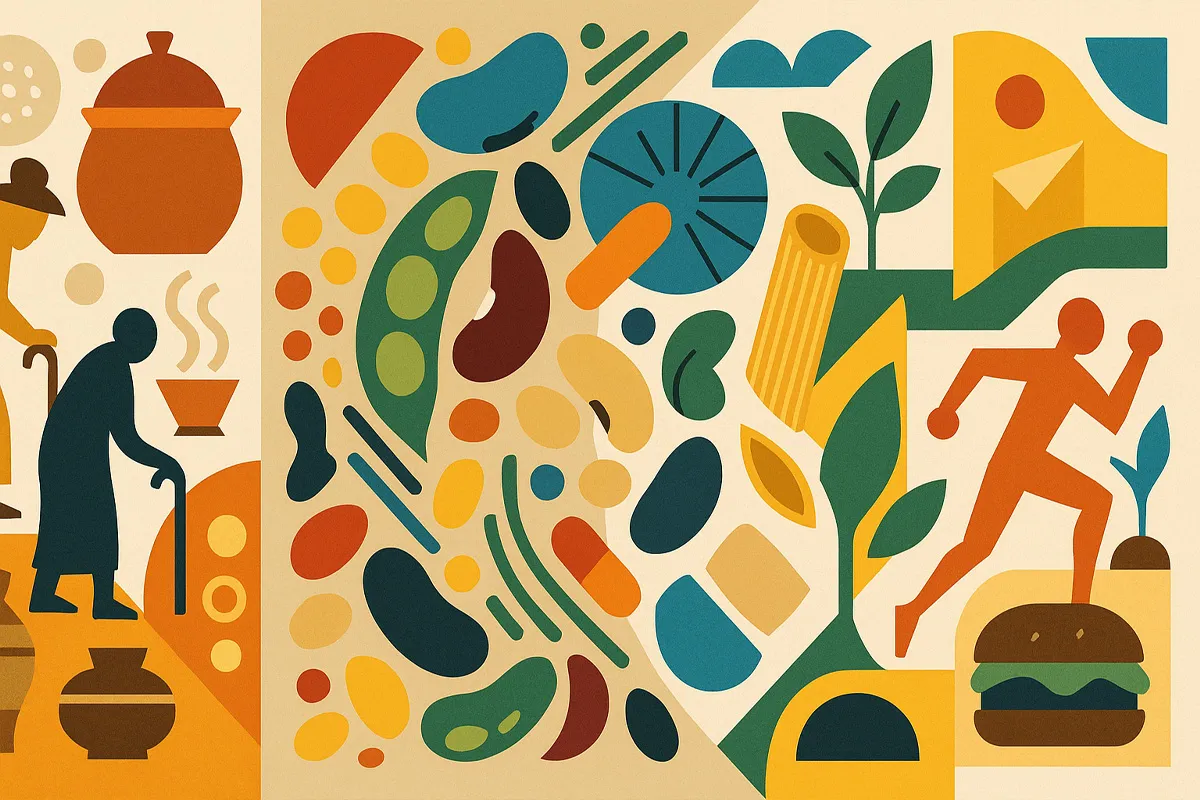
You can see them, guardians of ancient memories, in the most authentic recesses of farmers' markets, where time seems to stand still in a ritual that challenges contemporary frenzy. Small, imperfect, colorful - golden chickpeas like ancient coins unearthed by archaeological excavations, red lentils similar to tiny sunsets captured in grains of living matter, speckled beans like primitive works of art painted by nature with patient mastery. They stand there, humble and patient, silent witnesses of a time when food spoke an essential, direct, unartificial language. The evocative scent of traditional cuisine hovers in the air, where a clay pot guards, slowly and solemnly, the alchemy of a soup that seems to contain ancestral secrets passed down through generations of skilled hands.
In a frenetic age in which we frantically run after the latest exotic superfood, the miraculous nutrient promised by glittering marketing, the instant cure for modern ailments, it seems almost ironic that contemporary science is rediscovering what culinary traditions have always guarded as an immutable truth: legumes transcend the concept of simple food, they embody a complete and refined nutritional philosophy, perfected over millennia of co-evolution with human beings, a silent dialogue between earth and civilization that continues to nourish body and spirit with the same quiet effectiveness as always.
What are legumes: when science rediscovers ancient wisdom
But what are legumes really? Botanically, they are the edible seeds of plants belonging to the Leguminosae or Fabaceae family, enclosed in characteristic pods. But this technical definition does not do justice to their cultural and nutritional importance. It is no coincidence that the Blue Zones – those rare areas of the planet where extreme longevity is not an exception but almost the norm – all share a common element: the abundant and regular consumption of legumes. From Okinawa to Ikaria, from Sardinia to the Nicoya Peninsula, these small seeds are silent protagonists of stories of vitality that defy time. The scientific community, with its rigorous methodology, is now revealing what our ancestors perceived intuitively. Studies published in prestigious journals such as Cambridge University Press have shown how increasing the consumption of legumes can reduce cardiovascular risk by up to 10%. Other researchers have identified in legumes the presence of inositol pentakyl phosphate, a powerful compound capable of inhibiting enzymes involved in tumor growth.
The perfect orchestra of nutrients
To fully understand what legumes are from a nutritional point of view means imagining them as a perfectly orchestrated symphony, where each element plays its precise role in the harmony of the whole:
💪 Noble vegetable proteins , which tell a different story than animal ones, less aggressive for our organism, gentle on the liver, essential for those seeking strength without weight.
🎼 Soluble and insoluble fibers , conductors of our intestinal microbiota, which modulate the absorption of sugars like expert masters of time, preventing those glycemic peaks that are the silent prelude to diabetes.
⚡ Essential minerals – iron, potassium, magnesium – that flow into our cells like ancient metabolic currency, supporting every heartbeat, every breath, every thought.
🛡️ Saponins and lecithins , silent guardians that patrol our blood, intercepting and escorting away excess cholesterol, like discreet but inflexible guardians of our arteries.
🔬 Phenolic compounds and antioxidants , invisible sentinels that neutralize free radicals before they can damage our cells, in an incessant work of protection that takes place below the threshold of our perception.
The contemporary paradox
There is something deeply ironic in the fact that, at the very time when we have drastically reduced our consumption of legumes, we are witnessing an explosion of metabolic, cardiovascular, and digestive disorders. The very same diseases that legumes, in their humble wisdom, could help prevent. I often pause to reflect on this paradox when I look at the long lines at fast food restaurants or the shopping carts piled high with ultra-processed foods. We have exchanged patience for immediacy, complexity for simplification, wisdom for convenience. And in this seemingly advantageous exchange, we have lost something fundamental.
What are legumes: a journey through flavours and cultures
Understanding what legumes are in the cultural dimension means recognizing them as ambassadors of stories that cross borders and centuries. Each variety brings with it a baggage of traditions, recipes, rituals:
Lentils, celebrated on New Year's Eve as a symbol of prosperity, whose different varieties - from the prized Castelluccio to the small black belugas like caviar - tell stories of territories and ancient agricultural knowledge. Chickpeas, protagonists of the Middle Eastern hummus that unites different cultures in a dialogue of flavors, or of the Tuscan cecina, thin as a veil of taste memory.
Beans, from those of Sorana, so precious that they deserve the presidency of Slow Food, to the borlotti beans that populate peasant soups, to the black beans that in Mexico become culinary poetry. Fava beans, early spring fruits that in Sicily are accompanied by the first ricottas, in a ritual of rebirth that celebrates the cycle of the seasons. This kaleidoscope of flavors is not only a gastronomic heritage, but a treasure of biodiversity that we risk losing in contemporary food standardization.
The Art of Preparation: A Ritual of Connection
English: Preparing legumes is not simply a culinary process; it is a ritual that reconnects us with slower rhythms, with a dimension of time that we have almost forgotten. Soaking - that simple gesture of immersing the dry seeds in water and observing their gradual transformation, their awakening from latent sleep, is a lesson in patience and a metaphor for rebirth. Slow cooking - the low heat that caresses the metal of the pot, the aroma that is gradually released, the slow blending of flavors, are an invitation to slow down, to respect the natural times of things. Flavoring - the addition of herbs and spices is not just a culinary gesture, but an alchemy of traditional knowledge that combines pleasure and well-being. Bay leaves, rosemary, fennel seeds, tell of ancient wisdom that associated taste and health. In this frenetic world, taking the time to prepare legumes becomes almost an act of rebellion, an affirmation of autonomy from the rhythms imposed by modernity.
What are legumes in sports: unexpected allies
Who would have thought that these humble seeds could become precious allies for those who practice sports? Yet, the most aware athletes are rediscovering the energy power of this food. An ideal source of slow-release complex carbohydrates, perfect for sustaining prolonged effort without the peaks and crashes typical of simple sugars. An arsenal of vegetable proteins that, combined with cereals, support post-workout muscle repair without weighing down the body with animal proteins that are difficult to metabolize. A treasure trove of essential minerals - magnesium, potassium, iron - essential for muscle contraction, nerve conduction and oxygen transport. From a simple "poor man's dish", legumes are conquering a place of honor even in the backpacks of the most demanding athletes, transforming into versatile allies for those seeking performance and well-being.
On a planet facing unprecedented climate challenges, legumes are emerging as protagonists of a silent but profound food revolution. Their cultivation enriches the soil with nitrogen instead of depleting it, requires less water than other crops, generates a minimal carbon footprint. Every plate of legumes is a small act of respect towards the Earth.
But there is more. In a world where hunger and malnutrition paradoxically coexist with obesity and food waste, legumes offer an accessible, economical and nutritious solution. They are food democracy in the form of a seed.
An invitation to explore
I invite you on a journey, not exotic but intimate, not distant but deep. A journey into flavors that perhaps you have forgotten or that you have never truly known. Start with small steps:
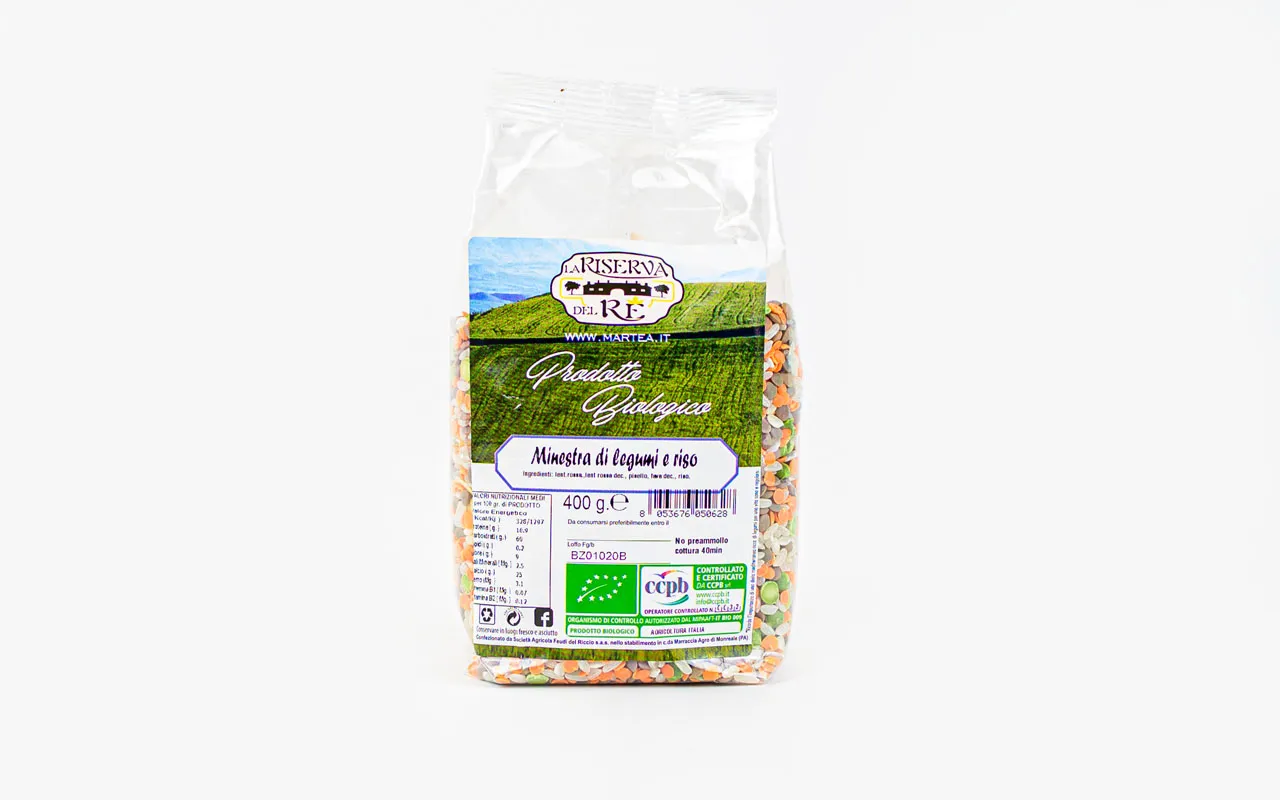
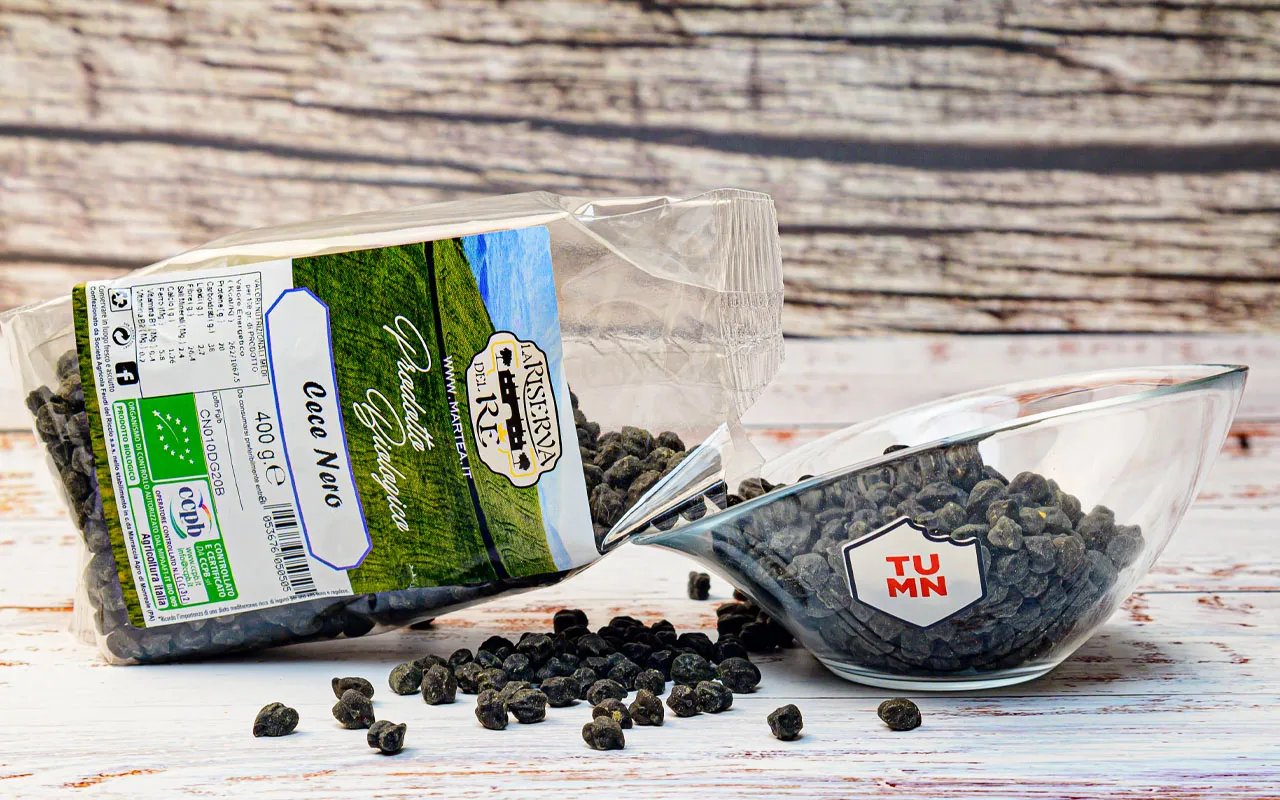
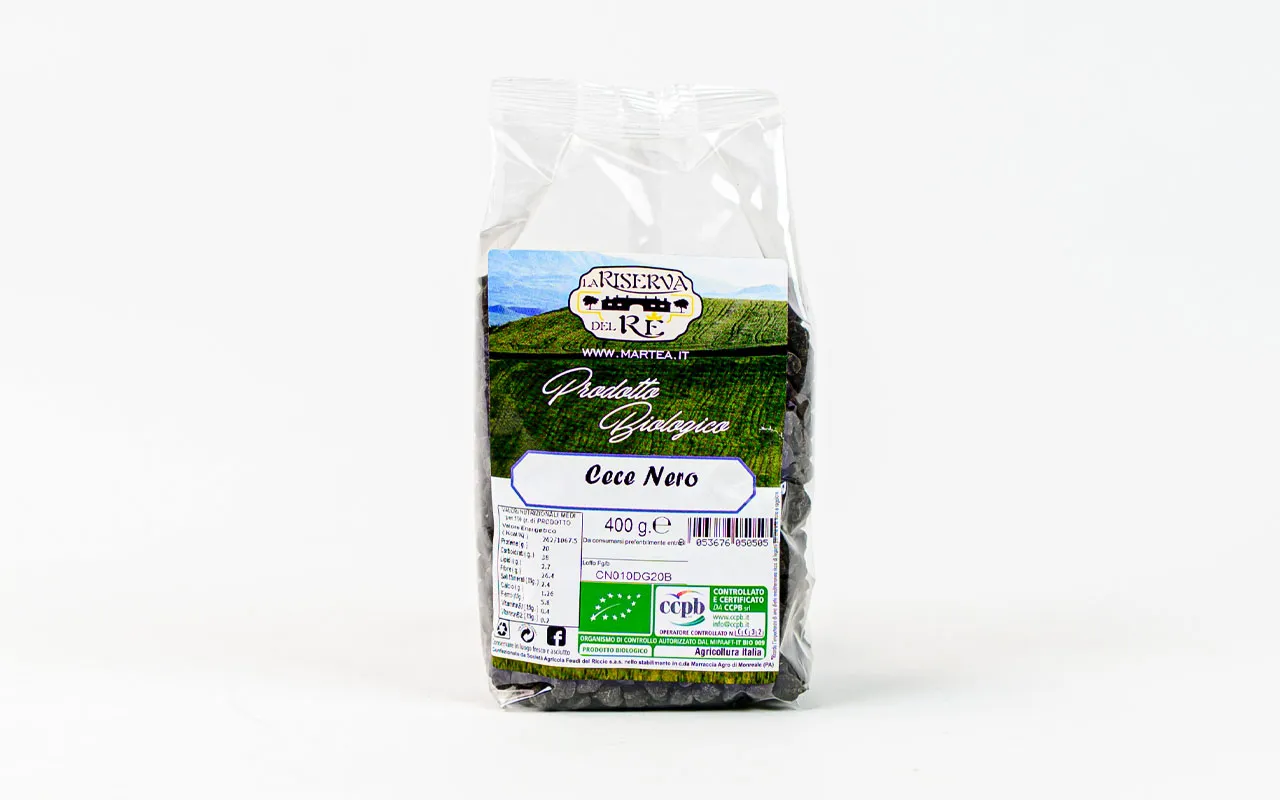
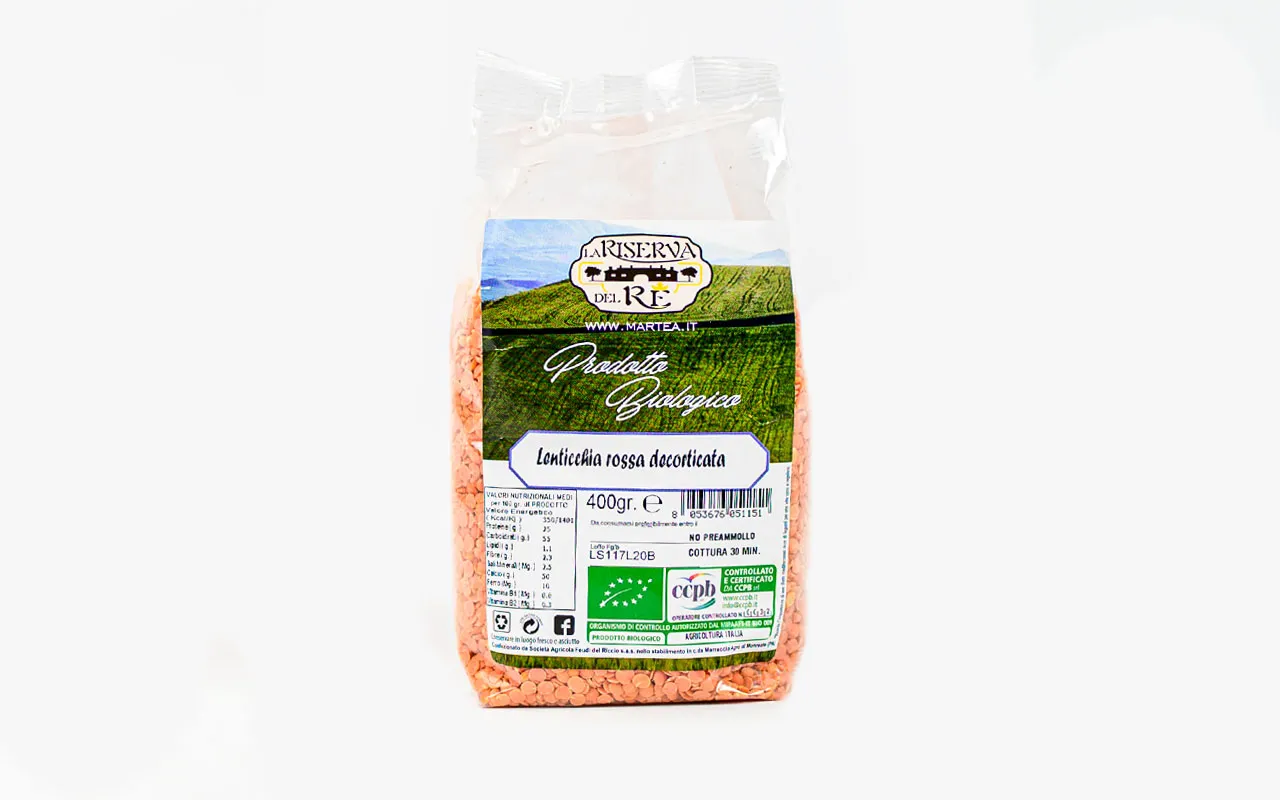
Rediscover the traditional pasta and beans ( Santacandida or La Riserva del Re ), that dish that contains the essence of Mediterranean cuisine, simple and nutritious.
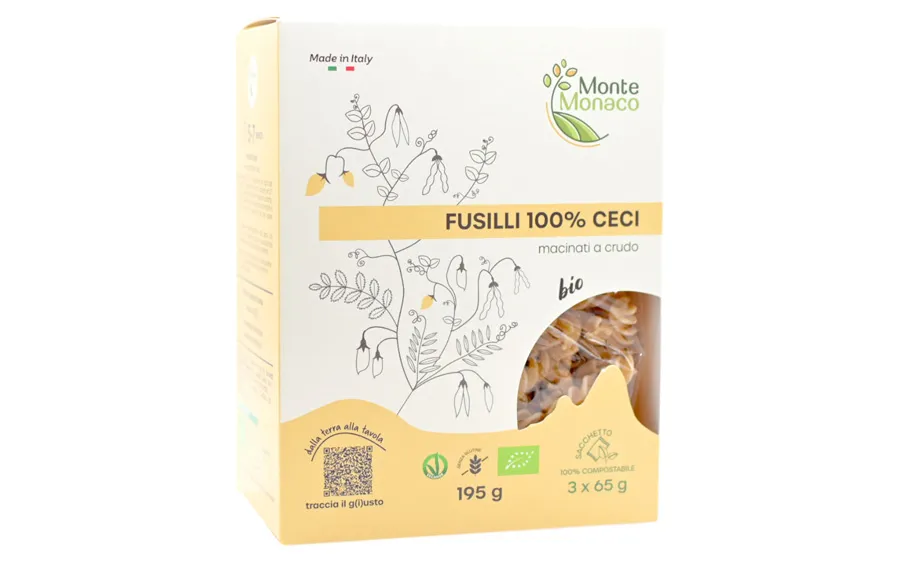
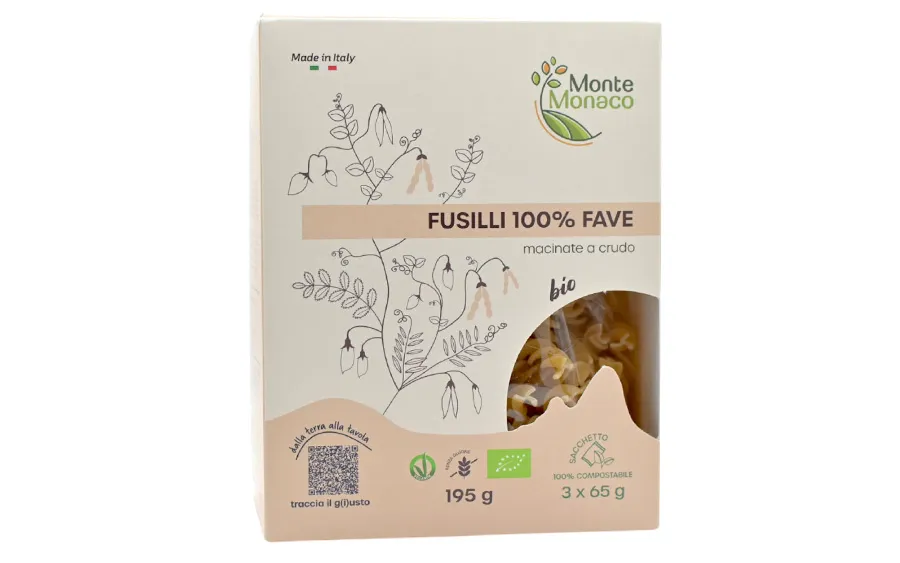
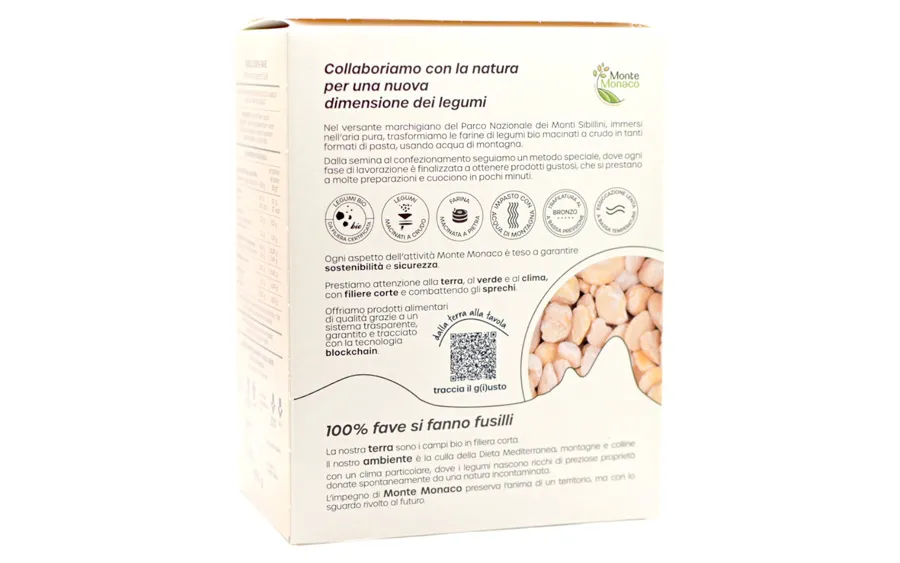
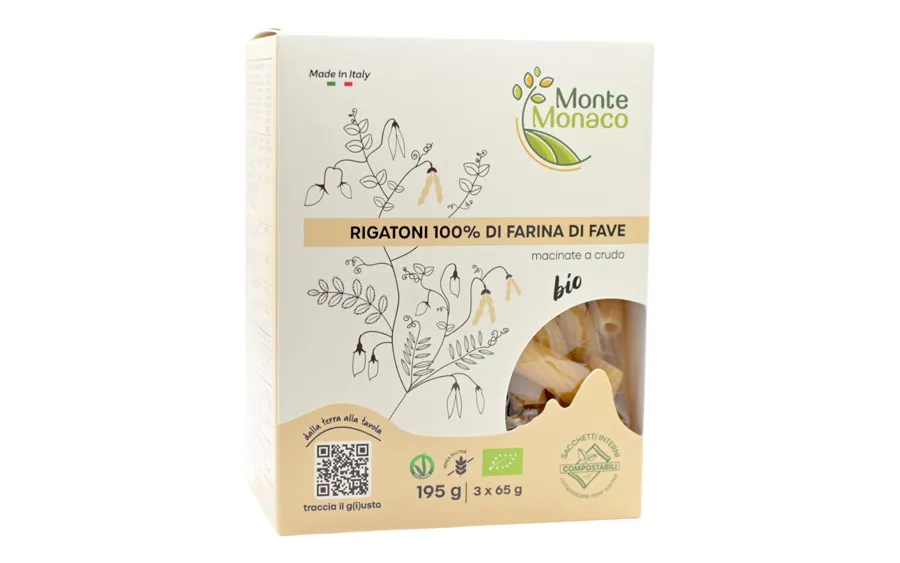
Let yourself be seduced by legume-based pastas, like those expertly produced by Monte Monaco - creations of modern gastronomic alchemy that transform chickpeas, red lentils, broad beans or beans into spirals, fusilli and penne of extraordinary protein richness. I still have etched in my memory that late autumn evening when, for the first time, I felt the different, almost velvety texture of these innovative shapes between my fingers. At the first bite, a revelation: on the palate not the usual consistency, but something deeper, an almost primordial flavor that seemed to whisper stories of earth and seeds. For those seeking harmony between superior nourishment and authentic pleasure, these organic pastas represent a perfect bridge between tradition and a sustainable future.
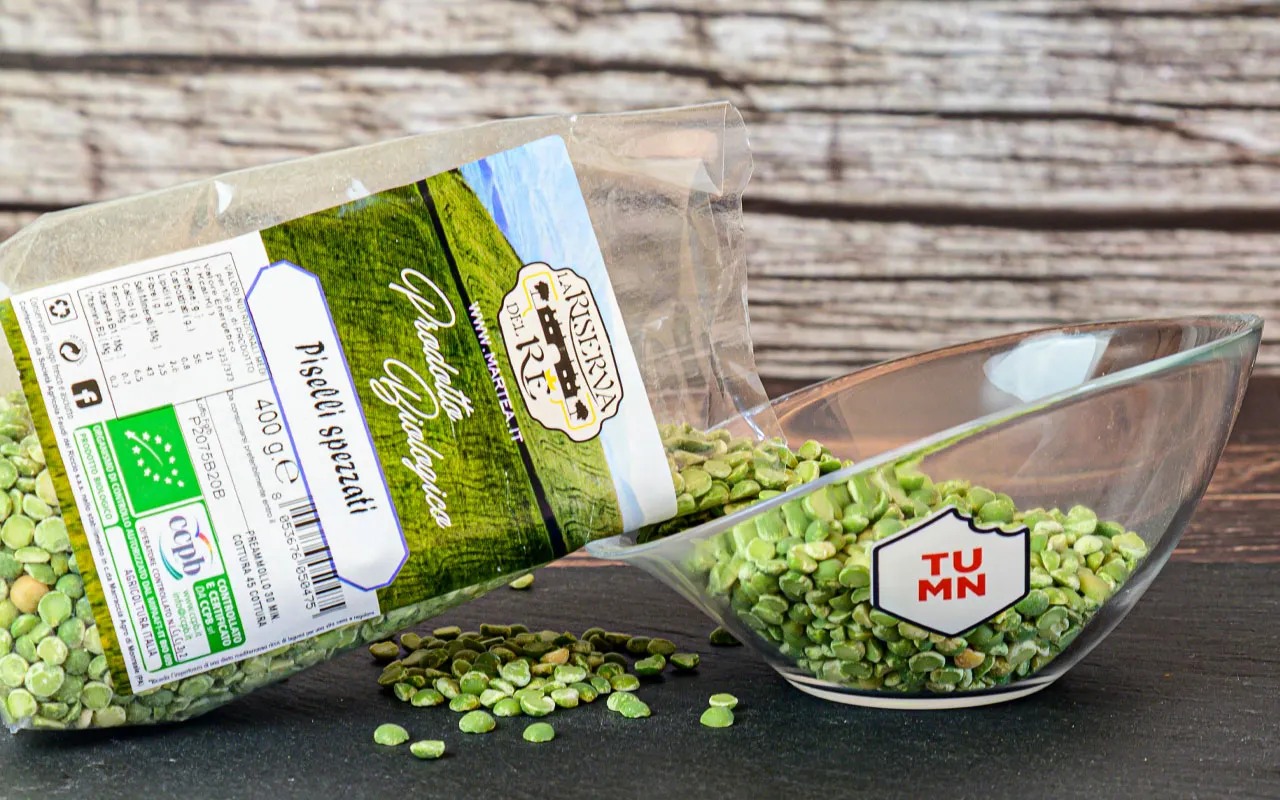
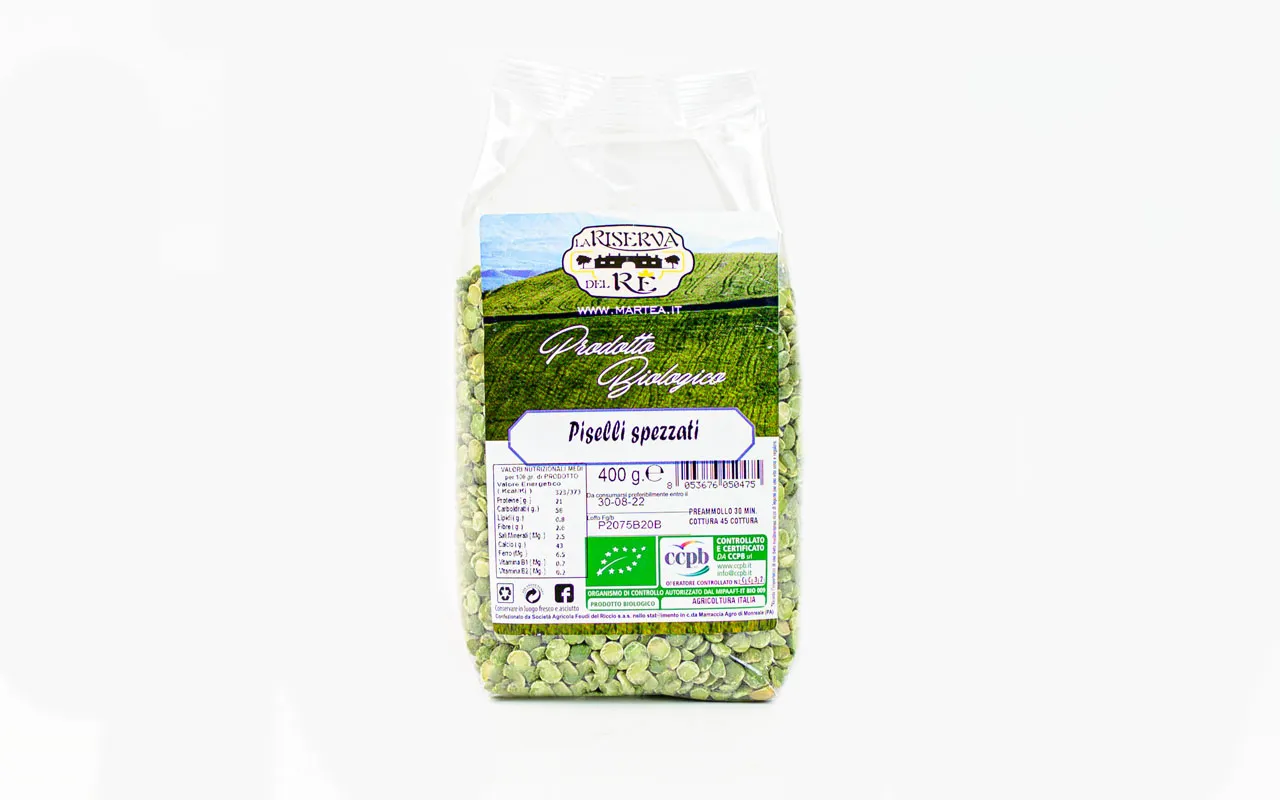
Allow yourself the contemplative luxury of legume soups with organic rice like those produced by Riserva del Re , compositions where each ingredient dialogues with the others in perfect harmony. I remember a late afternoon in January, the rain beating against the windows, the scent slowly expanding in the house, enveloping it in a warm and protective embrace. Each spoonful reveals a balance studied over the centuries: the rice absorbing the flavours of the legumes, creating a nutritional symphony that nourishes not only the body but also the soul. In the high-quality, organic versions, cared for down to the smallest details, this simple soup becomes a ritual of reconnecting with slow time, an antidote to contemporary frenzy.
Experiment with hummus in its endless variations, from the classic with tahini to creative versions with beetroot or avocado.
Try legume burgers, not as a substitute for meat but as an expression of a plant-based gastronomy with its own dignity and identity.
Explore legume salads, fresh and versatile, perfect for summer days when the body demands nourishment without heaviness.
Dare to experiment with legume flours, from Ligurian farinata to protein pancakes, discovering new textures and possibilities.
Every taste will be not only a pleasure for the palate, but a step towards a more conscious relationship with food, with tradition, with the planet.
I began this journey into legumes with a personal memory, with the image of those imperfect seeds at the market that awakened childhood memories in me. I conclude with a reflection that is both personal and universal.
In a world that is running faster and faster, that is looking for immediate solutions to complex problems, legumes remind us that some answers are already here, kept in the wisdom of traditions, in the knowledge of grandmothers, in the patience of ancient gestures. It is no coincidence that the longest-lived cultures in the world have maintained this bond with legumes, this respect for a food that does not shout its presence but constantly whispers its essence.
Legumes are not just a food, they are an invitation to slow down, to rediscover the value of waiting, to find a connection with the natural rhythms that we have lost in the contemporary frenzy. They are a small daily revolution that we can carry out in our kitchens, an act of gentle resistance against food homologation.
And perhaps, as we savor a lentil soup or a chickpea salad, we are unconsciously mending that thread that binds us to the land, to traditions, to a food wisdom that does not need labels or certifications to be authentic.
Because, after all, legumes contain more than just nourishment: they contain the history of humanity, its relationship with the earth, its ability to transform necessity into virtue, simplicity into excellence. A lesson that today, more than ever, we need to remember.
Some scientific sources and guides:
Benefits of Legumes as a Pre and Post Workout Meal link
Tumor inhibition link | link | link
Health Benefits and Culinary Approaches to Increase Intake link
There is a lot of evidence supporting the health benefits of a plant-based diet and increased intake of legumes. High consumption of fruits, vegetables, whole grains, legumes (beans), nuts, and seeds is associated with a significant reduction in the risk of heart disease, high blood pressure, stroke, and type 2 diabetes. The American Diabetes Association's nutritional recommendations for the management of adults with type 2 diabetes emphasize that many dietary patterns are acceptable for people with diabetes. Several diets, including the DASH (Dietary Approach to Stop Hypertension) and Mediterranean-type diet plans, while not strictly vegetarian, still promote increased consumption of plant-based foods such as legumes and their associated health benefits. Link




 Italiano
  Espanol
  German
  French