The best grains for everyday nutrition
There is a fact that is completely different from what can be learned from the main information organs. We are talking about wheat and the direct consequences for its production; there is a lot of talk about the granaries of Europe, of essential supplies put in danger, with serious difficulties for our country. But let's try to understand something more, first of all by going to discover which are the best grains to bring into our homes, within all those products that are composed of them. This operation is important for our health - which means quality of life, not just duration of the same - and also to give the right touch of gastronomic culture to all our dishes.
Consumers eat GMO modified wheat, treated with glyphosate and other synthetic substances; the point is that either they do not know it or they prefer not to change their habits, without considering that the greatest damage to health occurs precisely with the chronicization of certain behaviors. Most of these come to insert themselves into our lives without there being a process of knowledge based on complete and truthful information at their base.
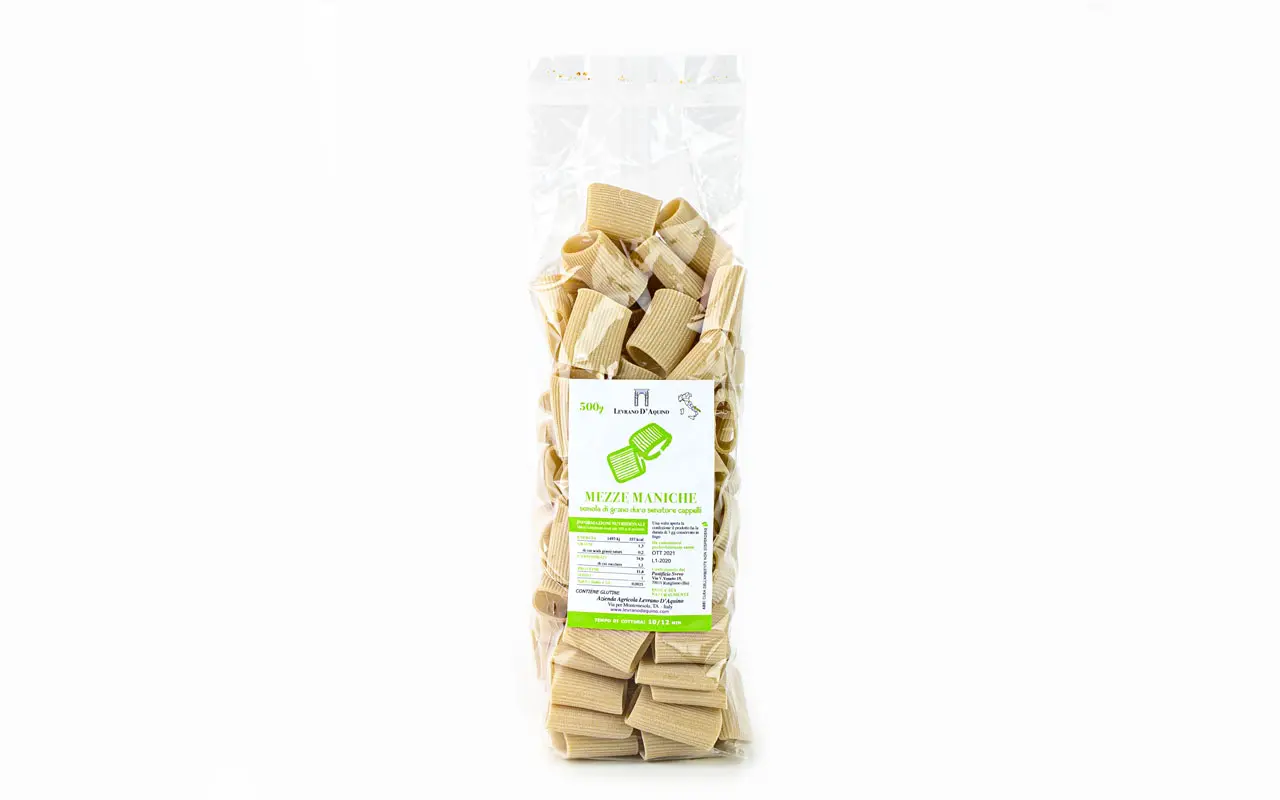
On October 25, 1974, the Senatore Cappelli durum wheat variety was irradiated with gamma rays, a radioactive isotope of cobalt, inside the laboratories of the CNEL ( National Committee for Nuclear Energy ), now called ENEA. The researchers in charge of this project were driven by the desire to provoke the mutation to give the wheat characteristics more favorable to agricultural production, including here the harvest and for example resistance during growth. So far nothing particularly new to our eyes: something is being done, even against nature if necessary, to the advantage of an increase in turnover.
This results in a wheat called CPB 144 , with a culm, a much lower stem, with the great advantage of not bending under the action of wind and rain, thus being able to facilitate harvesting operations with agricultural machinery. Its characteristic is precisely that of its reduced size (70-80 centimetres) compared to the wheats cultivated up until then (ancient varieties) with heights between 140 and 160 cm.
However, this variety suffered from the presence of a greater quantity of gluten, and required the massive use of pesticides (e.g. glyphosate) because the ear was lower, and therefore more easily exposed to the attack of weeds. Nature does nothing by chance, the plant was taller for this very reason.
This mutagenic variant was then crossed with a Mexican variety CIMMYT , giving life to the wheat called “Creso”, registered about 50 years ago, in 1974. Today this wheat covers 99% of the production ; the durum wheat of the Creso variety, used for example in the production of pasta, is a wheat that cannot be technically defined as GMO, but in fact it is. In fact, its genetic mutation was deliberately provoked with radiation and immunizing substances.
After this, other hybridizations were introduced; even if it is not transgenic because the genomes of other organisms were not introduced, these hybridizations continued to modify the quality of production and the morphological nature of the wheat itself. Even in the case of organic pasta, if it is not specified that it is produced from an ancient wheat - that wheat that has not remained under the clutches of multinational agri-food companies - it cannot actually be called organic pasta. If it does not say "ancient wheat" it means without a shadow of a doubt that it is genetically modified durum wheat. Some researchers hypothesize that the continuous increase in intolerances, allergies, chronic intestinal inflammation and other autoimmune diseases are to be placed in close relation with the massive and continuous consumption of the wheat described above. It is possible to consult the mutant varieties on the FAO/ IAEA database
The best grains for food purposes
We must not forget that this type of wheat was created in a laboratory, and is now widely marketed in violation of Law 238/1962; therefore against a law still in force today, which states that
It is forbidden to sell food substances treated in such a way as to vary the natural composition
However, regardless of the context of a large or small violation of a law, many citizens use baked goods, flours, pasta and bread that are definitely harmful to their health; all these consumers have fallen, more or less consciously, into a market spiral that is strongly influenced by the needs of large-scale industrial production without great moral scruples. Even small-scale productions are often active subjects of this decades-long drift: often, in fact, the industry does not only manage the consumer market, but also profitably supplies artisans and small businesses, drastically lowering the costs of raw materials with these products of very poor quality . The situation of violation of the law was already tenaciously described by several experts in the sector, among whom we would like to remember Prof. Luciano Pecchiai , head physician and professor of Pathological Anatomy and president of the Center for Human Eubiotics.
The so-called modern wheat is therefore the one used by all bakeries and marketed in the network of large-scale retail trade , or in what we more simply call supermarkets . Buying wheat-based products, therefore flour, pasta, baked goods, bread making etc. within this network, means in 99% of cases leading to eating products of the kind mentioned so far.
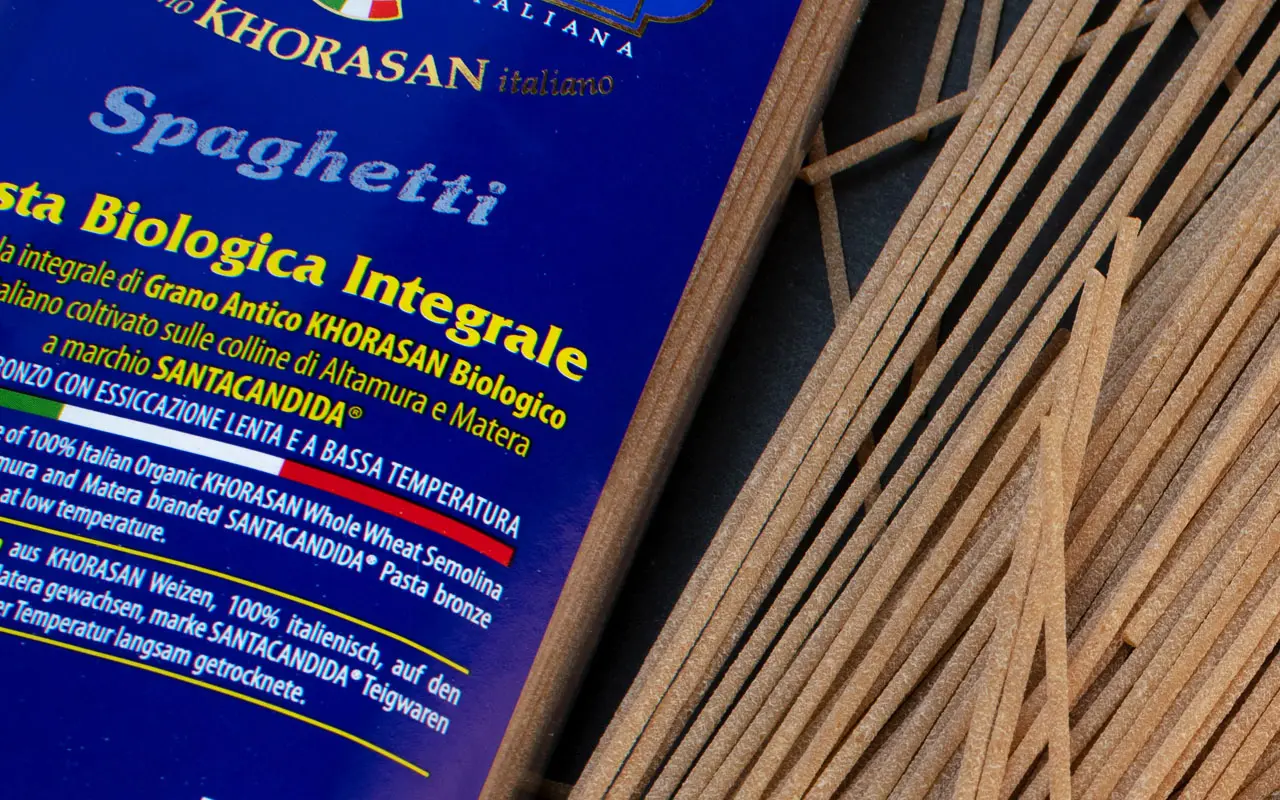
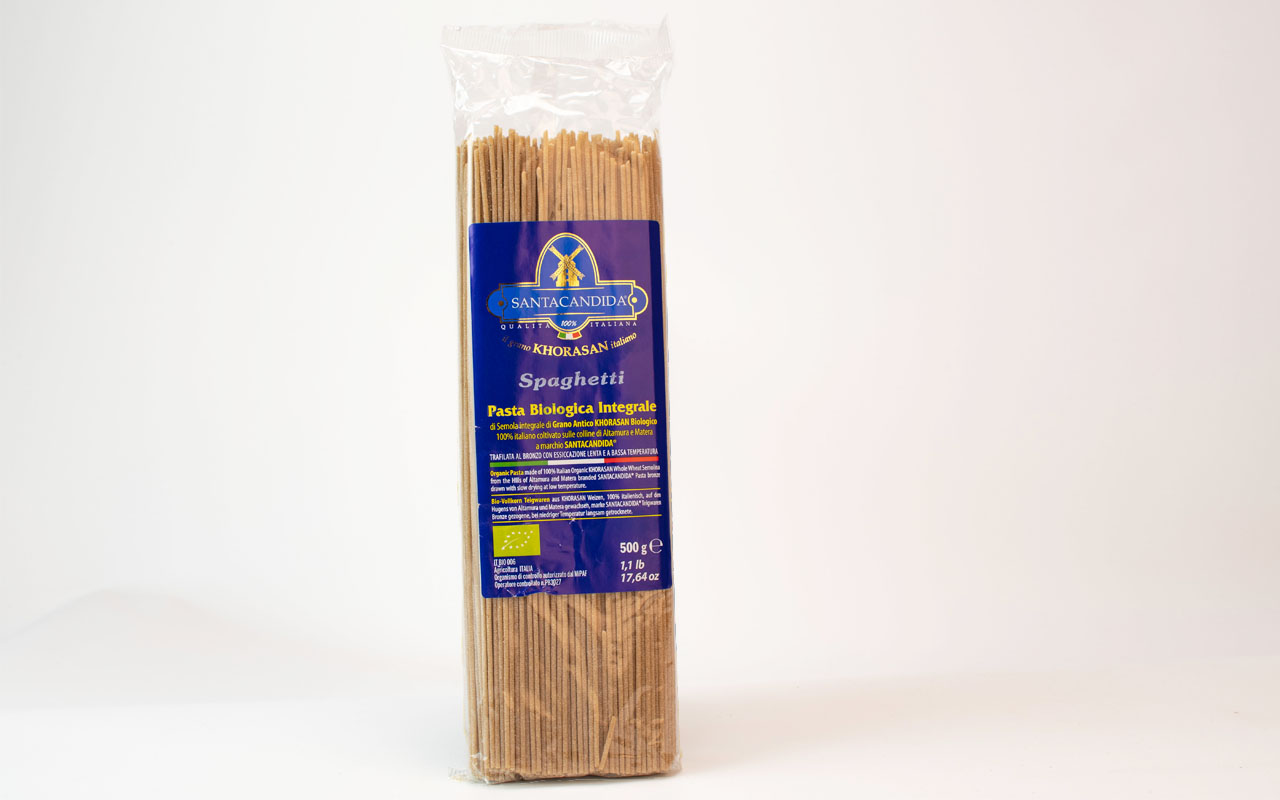
Where is it possible to find the best grains and make a conscious choice and, in light of what is now within our reach, an intelligent choice? We need to make a drastic change in our consumption habits, starting to buy outside the supermarket supply chain, "agricultural" products, that is, grown and processed by hand, starting from well-identified ancient grains: Saragolla , for example, but also the untreated Senatore Cappelli variety , or monococcum spelt, a truly indispensable and tasty ingredient, adaptable to any recipe, first and foremost that of homemade bread.
It is important to remember that the gluten present in genetically adulterated wheat, is very likely, as Prof. Pecchiai points out, to have undergone structural modifications on gliadin , one of its main components. Gliadin thus modified, is responsible for the inflammatory response inside our intestine, a cause that then becomes chronic with autoimmune responses of various kinds.
Although this is not great news for all bread and pasta lovers, a piece of advice must be given. Food experts suggest buying pasta made with ancient grains, Timilia, Solina, Graziella, Rosciola, Maiorca, monococcum spelt, Romanella, Rusello, Saragolla, Verra. These are some examples of the best grains that are most easily found directly in our territory; not imported, agricultural, that is, actually grown by those who today, in light of what has been said, we could define as authentic heroes of genuineness .




 Italiano
  Espanol
  German
  French