How to drink beer and pour it like a true connoisseur
Beer is the oldest recorded recipe in the world: it was the ancient Egyptians who first documented the manufacturing process and they did it on papyrus, around 5000 BC. These proto-beers were produced with dates, pomegranates and other native herbs. Even in these historical periods people were obviously wondering how to drink beer to get benefits from it.
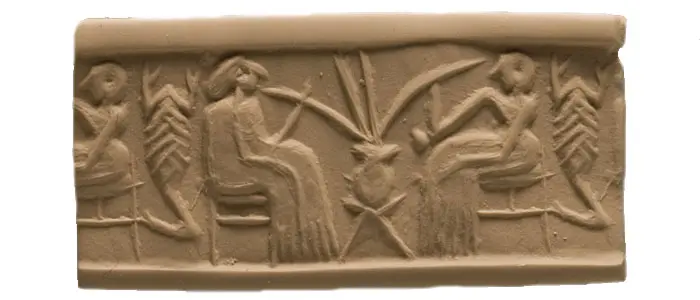
In Mesopotamia, a curious detail characterizes the representations of people intent on drinking beer, using a long straw . A famous scene features two characters, sitting comfortably one in front of the other, intent on drinking beer through a straw, from a large container placed on a low table, just like those used in modern living rooms. The straw filtered the beer from the lower end, to avoid ingesting the barley husks.

It was certainly a ceremony linked to hospitality and friendship . And that is how beer made its way from the Middle East across the Mediterranean, until it arrived in Europe, where it became an integral part of life for many; the Athenians consumed it for the festival of Demeter (the Thesmophoria ) and during the Olympic games , but they considered it an unmanly drink due to its low alcohol content. Wine was therefore already considered the most important alcoholic drink.
However, it was not until the early Middle Ages that what we now refer to as modern beer emerged. Brewers had been using malted barley as the primary source of fermentable sugar for hundreds of years, but the use of hops as a bittering and flavoring agent did not become common until the twelfth century. Beer arrived in the New World with the first European settlers, and nearly all of America's early beers were based on the English ales that the colonists were familiar with. That all changed, however, in the mid-1800s with the arrival of new immigrants from northern and central Europe. The growing demand for lager and the influx of millions of immigrants pushed American beer production to new highs in the late 1800s and early 1900s. This trend continued until the late 1970s and early 1980s.
Beer is one of the most consumed beverages in the world today, also because it pairs easily with different types of food; in recent years we have even seen it sold in non-alcoholic versions, just so as not to deny even teetotalers the opportunity to enjoy it. However, drinking beer is much more than an act comparable to that of consuming any other drink. To understand how to drink beer and enjoy it at its best, there are a number of simple strategies, as well as some general tips and tricks to get the most out of this particular beverage.
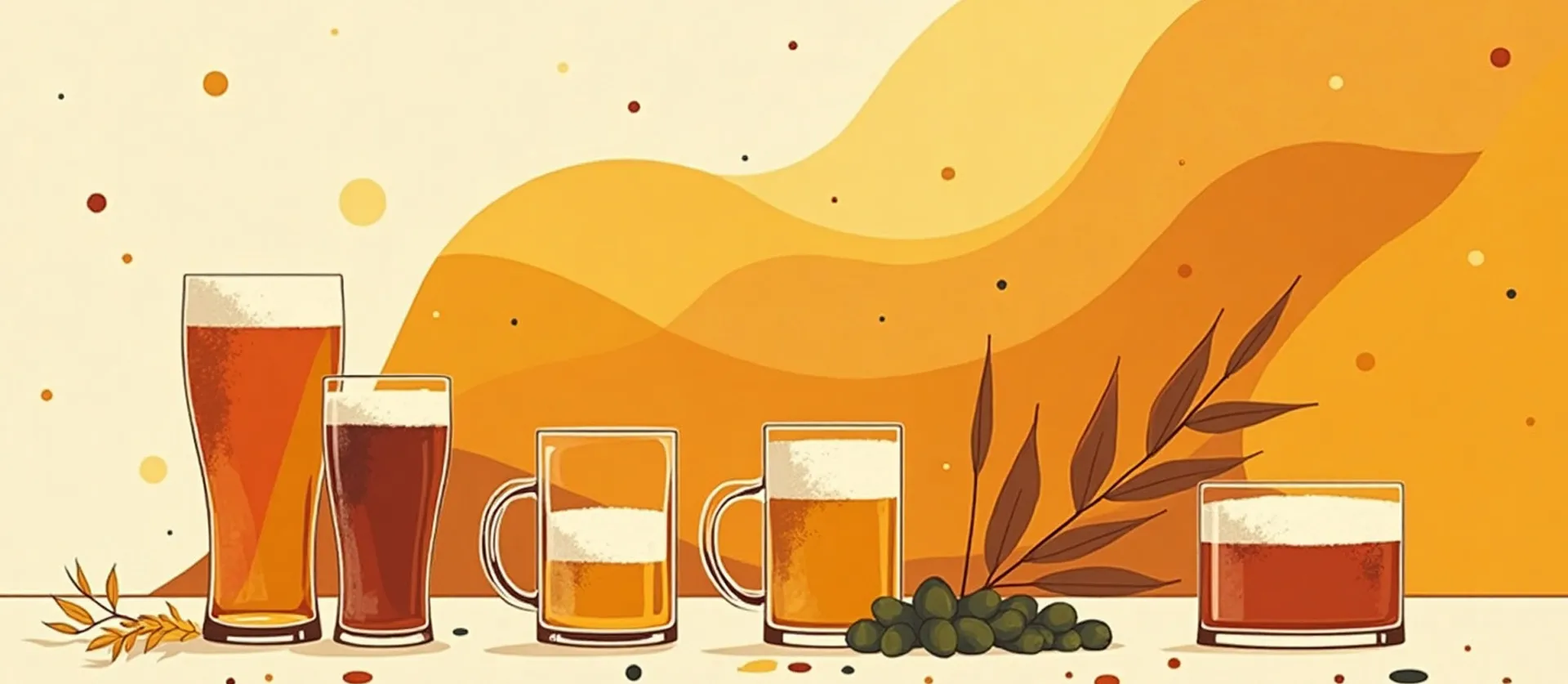
How to Drink Beer: Let's Start by Choosing the Right Glass
Many drink it straight from the bottle, but good beer deserves its own glass; this is crucial because to truly appreciate beer, especially craft beer, in all its glory, you must first free it from the bottle. So by pouring your beer into a suitable glass, you will surely be rewarded not only by the taste, but also by the aroma, color, bubbles and foamy top surface.
Whether you’re drinking canned, bottled, or draft beer, it’s imperative to pour it into a glass. While each type of beer should be enjoyed in a specific glass, a classic pint glass will allow you to enjoy your beer to the fullest, regardless of the type. If you’re not familiar with it, the pint glass is the one with the slanted sides that you often see in bars.
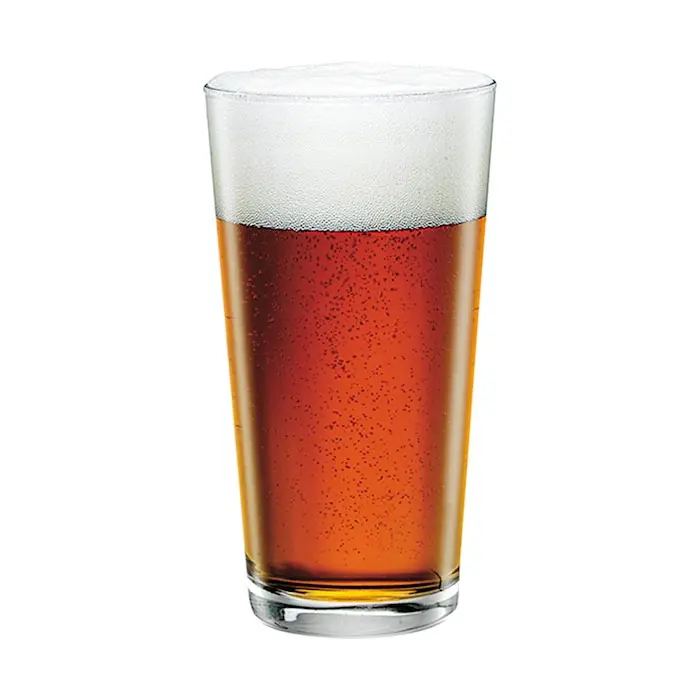
Don’t worry about chilling or freezing your glass, as drinking ice-cold beer isn’t as important as we’re often led to believe; in fact, the cold can dull some of the flavors and aromas that are appreciated in this drink.
How to drink beer: pour it first
To pour beer into a glass, you have two options: you can tilt the glass from the start and slowly bring it to a vertical position while pouring, or you can pour the beer directly into the glass and then tilt the glass once the head reaches the rim. Tilting the glass and pouring the beer against the side helps control the amount of head, thus preventing it from spilling out.
However, for most beers the best way to pour is to tilt the glass and then straighten it as it fills; pouring straight down is the best practice for beers that are lower in carbonation (the addition of carbon dioxide to add fizz) or that don't tend to foam, such as dark beers and some high-gravity beers. If you're pouring a homebrew, this is a good way to control the head , especially on a lightly carbonated beer.
All bottled craft beers will have some yeast sediment at the bottom of the bottle. What is the best way to drink beer in this situation? It is advisable to tap the bottom of the bottle a couple of times to loosen the sediment and keep the beer bright and clear in the glass; the sediment can also add more flavor to the brewer's yeast. This yeast flavor can be very tasty in any type of beer. Some of these are often deliberately served with yeast sediment, which is poured over the foamy surface.
How to Drink Beer Better: Learn to Sense Its Aromas
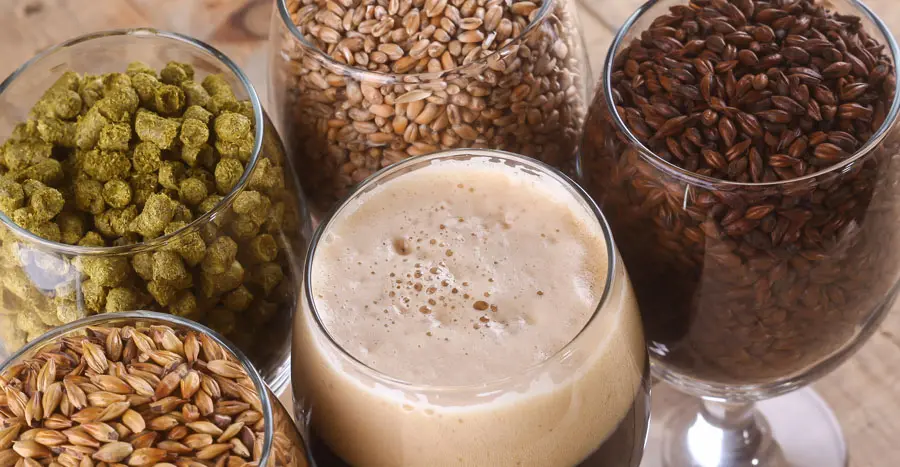
To get the most out of the beer’s aromas , put your nose to the glass and take a deep breath – you’ll undoubtedly smell some hop aromas. These can range from citrus and fruit to spicy and earthy. You may also smell some tropical fruity aromas that come from some types of yeast. Malty beers may also have strong caramel or nutty flavors. Let the beer roll down your tongue so it hits all of your different taste buds. You may notice different flavors when you first sip it, even when you swallow it; if not, take another sip right away. Swirl your glass and inhale the beer’s aroma between sips. The aroma is a combination of different elements present in the beer, so this ensures a truly unique drinking experience.
Observe the chromatics
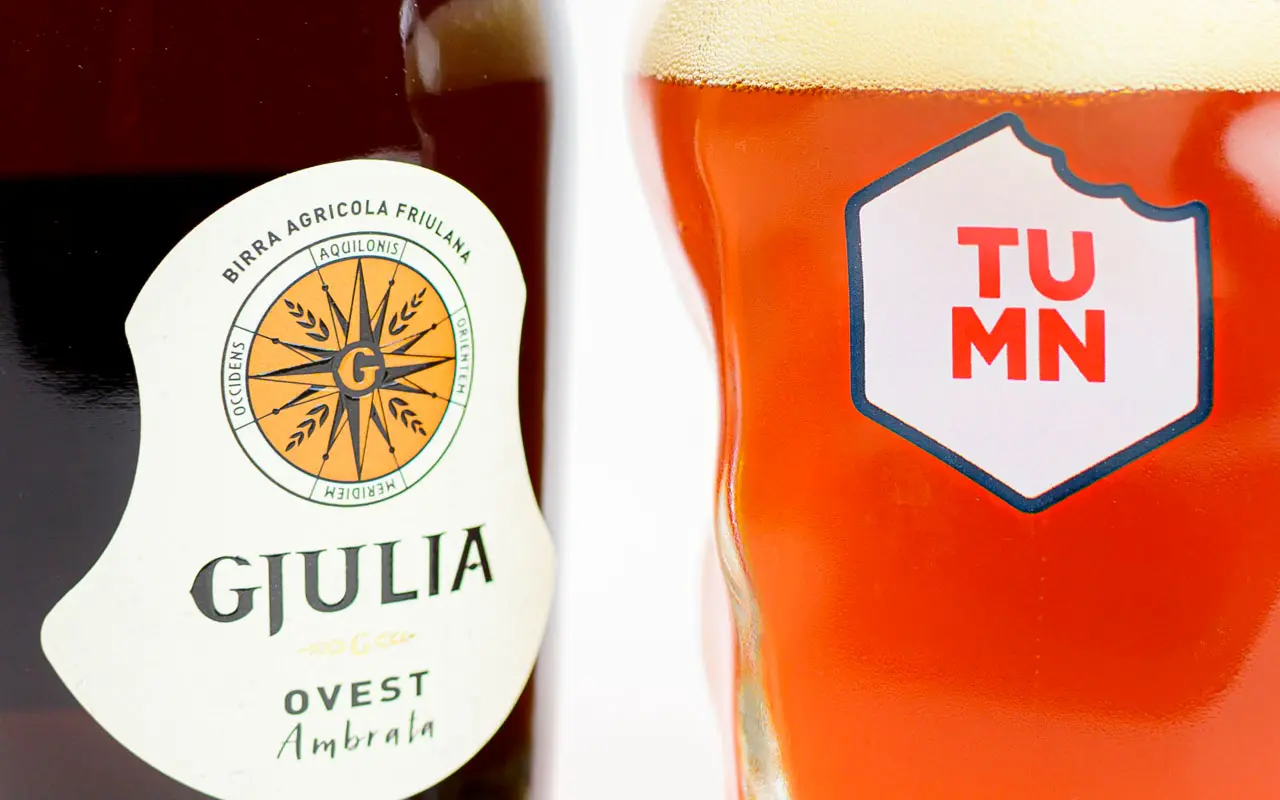
Once you have determined the aroma of your beer, look at its color. Keep in mind that there is no one right color and it can vary depending on the type of beer. However, color is part of its character, so it is worth noting. To understand how to drink beer, then, take a minute to take a good look at it. Hold it up to the light , preferably near a window with natural light, and check its color and clarity. Color is generated by the malts used in the brewing process, while clarity can be influenced by other factors, including the filtering technique before bottling, whether there was sediment in the bottle, how old the beer is (older beers tend to be clearer, in general), and how the beer was brewed. If your beer has a lot of foam, take a few extra seconds to appreciate this special characteristic. Not all beers will have foam, but when they do, they taste better and look better.
How to Drink Beer: Feel the Aftertaste
After the first sip, avoid eating right away , let the beer linger a few more seconds on your palate; this way, you will be able to notice if the aromas change. In fact, in many beers, especially good ones, you will notice new flavors emerging in the aftertaste, also known as the “finish”. A good beer will have a complex mix of flavors, so it may take a couple of sips to discover them all; sip slowly and without rushing. Some more complex beers need to be tasted at different times of the day! The aftertaste of a beer has a lot to do with the overall enjoyability of the drink, so don’t underestimate this step.
Like any beverage, different types of beer leave different sensations on the palate. Some beers have a fine and watery taste, while others are very full-bodied. Beers with more carbonation generally feel lighter in the mouth, while an unfiltered and less carbonated beer will probably be heavier and more savory. In short, drinking beer has become a true culinary art!




 Italiano
  Espanol
  German
  French