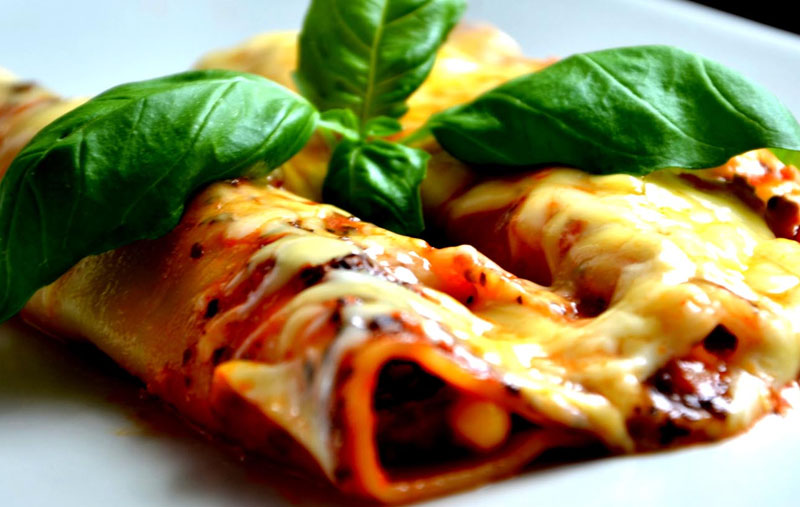
By definition cannelloni are a rich first course of Italian cuisine consisting of many rectangles of fresh pasta that are rolled up on themselves, stuffed inside with a salty filling (generally a mixture of ricotta and spinach or a flavored ragù) and then covered with bechamel and parmesan or a tomato sauce and cooked in the oven. In some regions of Italy, such as Emilia Romagna, Umbria and Marche, only fresh pasta with a cylindrical sauce is also called "cannelloni" .
In the many hypotheses formulated on the mysterious birth of cannelloni , we started first of all from the similarity that exists with other stuffed and baked first courses, such as salted and rolled crepe or stuffed pasta timbale, which are candidates for their potential ancestors . Similar are, for example, the buckwheat crepes , typical of the Valtellina and based on the same flour also used for the pizzoccheri, which are stuffed with local cheeses of your choice or with cabbage and bitto, and seasoned with bechamel.
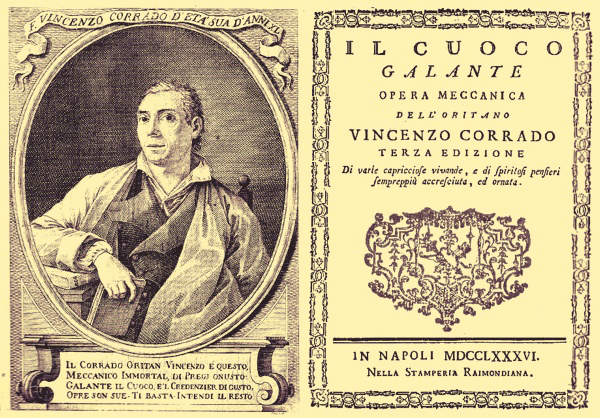
The first written record in which such a pasta shape is mentioned is that of the Arezzo cook Gio Batta Magi, who mentioned among his Tuscan recipes a "succulent timbale of cannelloni". However, it is said that their birth occurred shortly afterwards in Campania, more or less in the first half of the nineteenth century. At the time the Neapolitan cook Vincenzo Corrado mentioned in his book "The Cook Galante" the recipe for a large pacchero , first boiled and then filled with a stuffing made with meat and truffles and then covered with a meat sauce and baked.
Although the invention of the cannelloni remains uncertain and although there are few writings and cookbooks of the time that referred to it, it is assumed that this was initially a poor dish and a collection of leftovers , consumed especially during the holidays.
Currently, between traditional recipes and modern and creative reinterpretations, in Italy it is possible to come across hundreds of variations that present sauces, flours and in general always different ingredients and characteristics. Among the best known regional recipes there are for example cannelloni alla sorrentina or napoletana , which are stuffed with mozzarella from Campania, sheep ricotta and cooked ham; then there are the Roman ones, with meat ragu present both in the filling and in the sauce, and finally the Umbrian ones, stuffed with a classic beef ragout but seasoned in white, only with bechamel and grated parmesan.
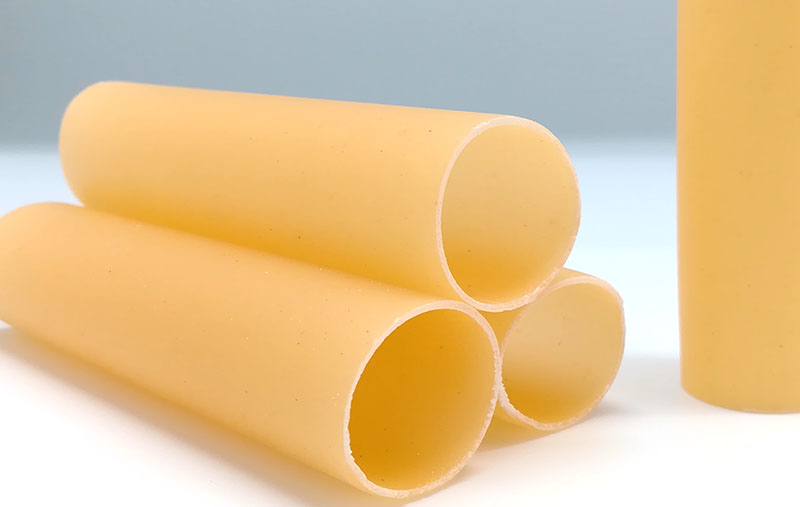
Finally, some curiosities about cannelloni . Someone speculates that this pasta was even already known at the time of the ancient Romans , that Cicero was fond of it and that their name was inspired by the "cannelli", or rather large perforated cylinders, but even for this theory there is not enough evidence.
Of the name "cannelloni" currently, especially abroad, there are several variations , including "sleeves" or "sleeves", while the English term most used to indicate this plane is "cannelloni", in the singular.
by Ivana De Innocentis
Revised, corrected and expanded by the Tumn® editorial staff

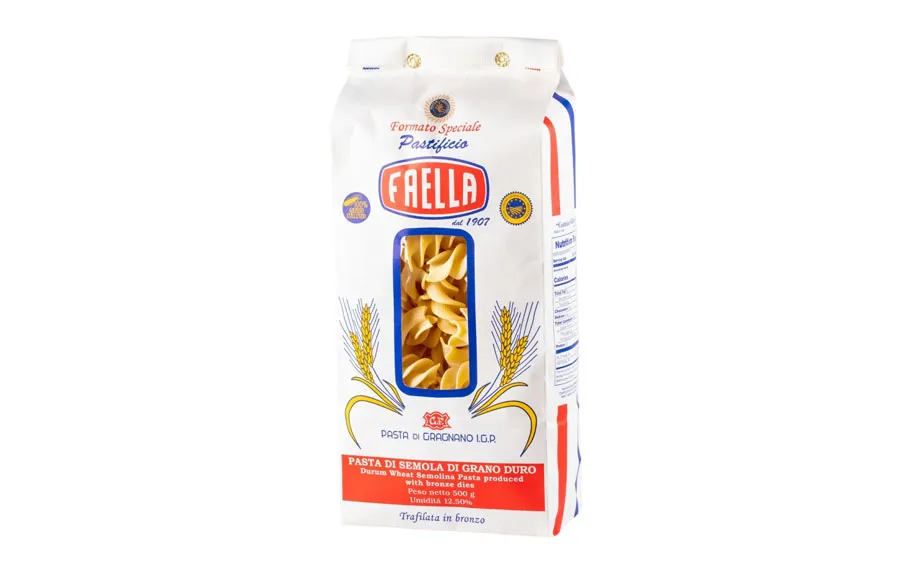
Pastificio Faella's Fusilloni di Gragnano PGI (Protected Geographical Indication) is the maxi version of the famous spiral shape, perfect for those who love robust, eye-catching pasta. Made with 100% Italian durum wheat semolina and pure water from the Lattari Mountains, these giant fusilli are bronze-drawn to achieve a rough, porous surface that perfectly captures any sauce. The generous spiral shape, with its wide coils and consistent thickness, creates veritable tunnels of pasta capable of holding thick sauces, meat ragùs, creamy dressings, and full-bodied ingredients. Slow drying at temperatures never exceeding 48 degrees Celsius, according to the strict PGI regulations, preserves the wheat's intense aroma and ensures exceptional cooking stability with just nine minutes of boiling. The result is a springy, tough, and never sticky pasta, perfect for baked recipes, gratin dishes, and preparations with stringy cheeses or Neapolitan ragùs. The Aticelca 501-certified porcelain paper packaging is completely recyclable, demonstrating the pasta factory's commitment to environmental sustainability and respect for tradition.
3,80 €
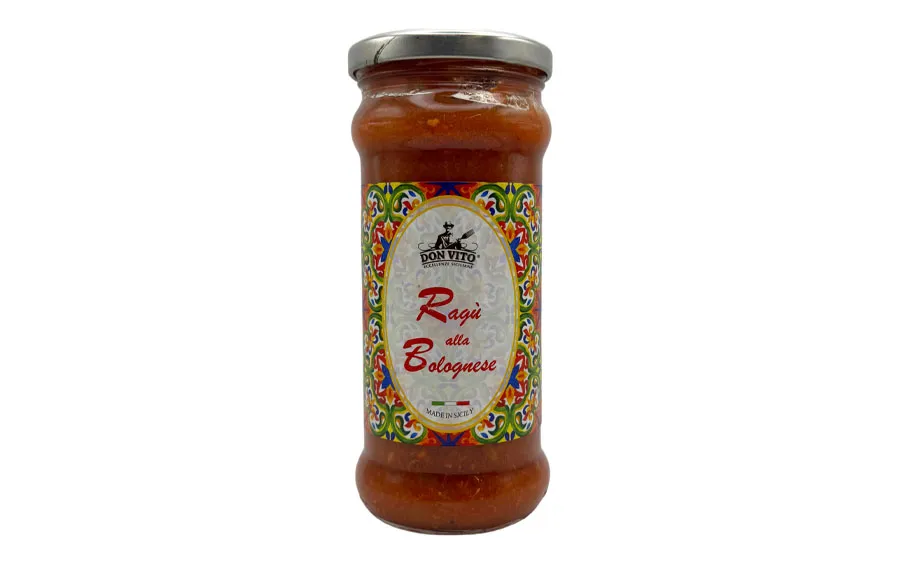
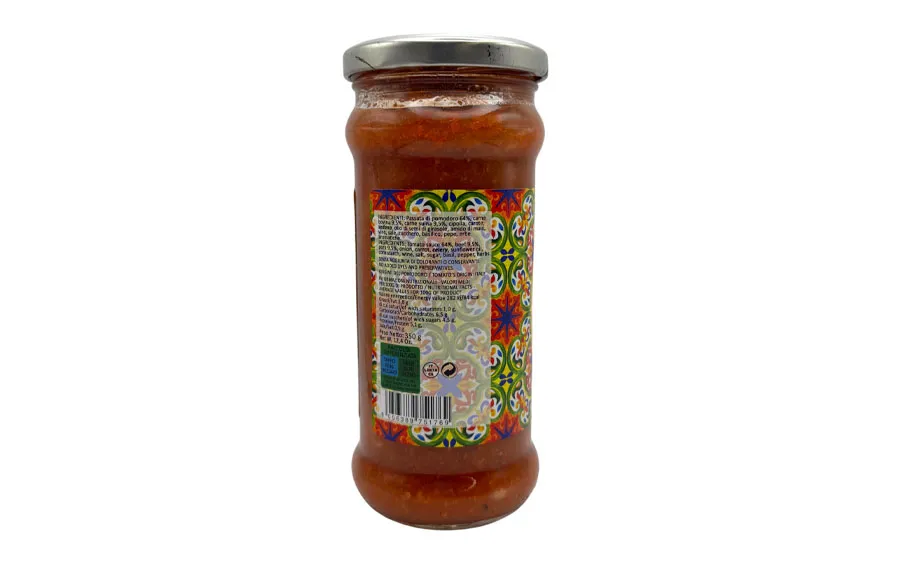
Don Vito's Ragù alla Bolognese is a reinterpretation of the classic, a "non-traditional" ragù that blends Emilian and Sicilian traditions, characterized by sweet and spicy notes. Made with tomato puree (64%), beef and pork (19% total), and a selection of vegetables (onions, carrots, celery), this sauce is the result of slow cooking and the use of local ingredients, a true pantry must-have.
4,76 €
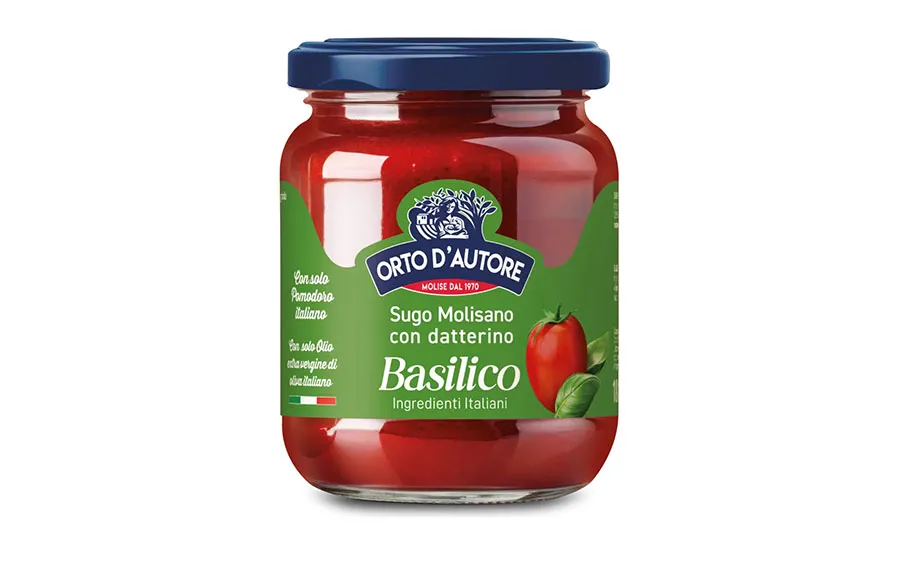
Orto d'Autore's Tomato and Basil Sauce is the essence of simplicity and freshness. Made with 100% Italian tomatoes, harvested and processed daily in the heart of Molise (Ururi, Campobasso). Production takes place only in summer to ensure maximum flavor. Made with only tomatoes, sea salt, and basil, it's a product without flavorings or preservatives, where the goodness is guaranteed solely by nature and artisanal processing.
3,08 €
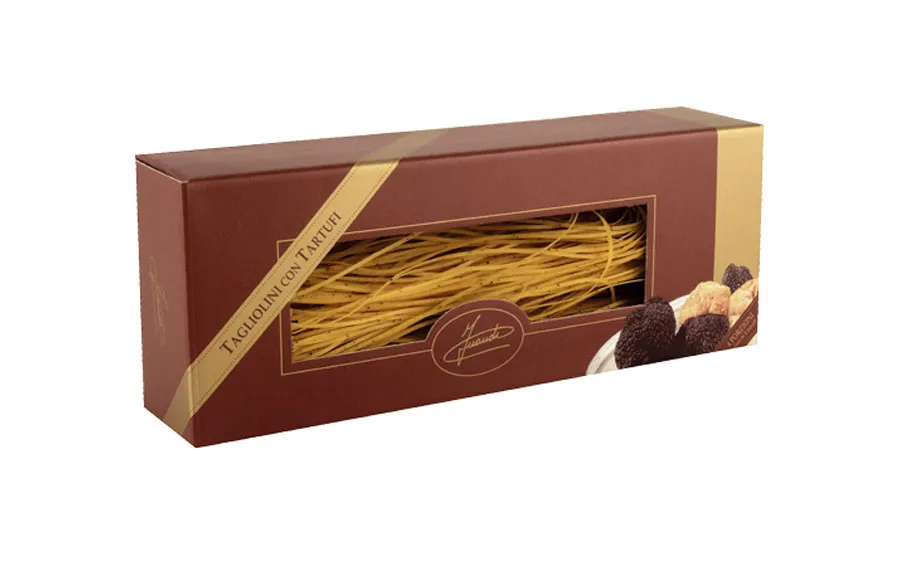
These Tagliolini with Truffles (the classic Piedmontese Tajarin) are made with a traditional recipe rich in egg (min. 20%) and enriched with a generous 7% of truffles (Tuber aestivum and albidum). Their artisanal preparation ensures a pasta that cooks in just 4 minutes, bringing the aroma of truffles to the table with refinement.
16,85 €
Pastificio Faella's Fusilloni di Gragnano PGI (Protected Geographical Indication) is the maxi version of the famous spiral shape, perfect for those who love robust, eye-catching pasta. Made with 100% Italian durum wheat semolina and pure water from the Lattari Mountains, these giant fusilli are bronze-drawn to achieve a rough, porous surface that perfectly captures any sauce. The generous spiral shape, with its wide coils and consistent thickness, creates veritable tunnels of pasta capable of holding thick sauces, meat ragùs, creamy dressings, and full-bodied ingredients. Slow drying at temperatures never exceeding 48 degrees Celsius, according to the strict PGI regulations, preserves the wheat's intense aroma and ensures exceptional cooking stability with just nine minutes of boiling. The result is a springy, tough, and never sticky pasta, perfect for baked recipes, gratin dishes, and preparations with stringy cheeses or Neapolitan ragùs. The Aticelca 501-certified porcelain paper packaging is completely recyclable, demonstrating the pasta factory's commitment to environmental sustainability and respect for tradition.
3,80 €
Don Vito's Ragù alla Bolognese is a reinterpretation of the classic, a "non-traditional" ragù that blends Emilian and Sicilian traditions, characterized by sweet and spicy notes. Made with tomato puree (64%), beef and pork (19% total), and a selection of vegetables (onions, carrots, celery), this sauce is the result of slow cooking and the use of local ingredients, a true pantry must-have.
4,76 €
Orto d'Autore's Tomato and Basil Sauce is the essence of simplicity and freshness. Made with 100% Italian tomatoes, harvested and processed daily in the heart of Molise (Ururi, Campobasso). Production takes place only in summer to ensure maximum flavor. Made with only tomatoes, sea salt, and basil, it's a product without flavorings or preservatives, where the goodness is guaranteed solely by nature and artisanal processing.
3,08 €
These Tagliolini with Truffles (the classic Piedmontese Tajarin) are made with a traditional recipe rich in egg (min. 20%) and enriched with a generous 7% of truffles (Tuber aestivum and albidum). Their artisanal preparation ensures a pasta that cooks in just 4 minutes, bringing the aroma of truffles to the table with refinement.
16,85 €