When embarking on a journey toward wellness, the most insidious enemy is not the scale, but that feeling of hunger that undermines every good intention. Producers, chefs, and nutritionists agree on one fundamental point: the secret lies not in eating less, but in choosing better . True gastronomic excellence meets nutritional science when we understand which foods truly suppress hunger, and why.
Why Some Diets Fail: The Crucial Role of Satiety
Diet failure rarely stems from a lack of willpower. Much more often, it stems from imperfect management of the body's hunger and satiety signals. Two hundred calories of almonds satiate in a radically different way than two hundred calories of refined crackers —a principle too often ignored in simple calorie counting.
The hormonal and psychological mechanisms that regulate the perception of fullness are complex and sophisticated. Understanding them gives you a decisive advantage in achieving your goals without that constant feeling of deprivation that condemns you to give up.
Proteins: the undisputed champions of satiety
If there's one macronutrient that deserves the title of "king of satiety," it's protein. Its supremacy isn't a question of dietary fads, but of solid scientific evidence.
How proteins work
Protein has the highest thermogenic effect of all macronutrients: the body burns the most energy to digest it. But its true power lies in its hormonal action. It powerfully stimulates incretin hormones like GLP-1 and CCK —molecules that send a powerful signal of fullness to the brain.
There's even a fascinating nutritional hypothesis: the body is programmed to keep eating until it reaches a minimum protein intake. It's incredibly difficult to stop eating chips or cookies, but try ingesting excessive amounts of chicken breast or legumes—your body will naturally stop.
The optimal dosage
Protein's effectiveness, however, reaches a saturation point. Research shows that increasing protein intake from 15% to 25-30% of total calories significantly increases satiety. Beyond a threshold of approximately 1.6-2 grams per kilogram of body weight (in normal weight individuals), the appetite-inducing effect ceases. Hormonal stimulation reaches its peak.
Quality protein sources
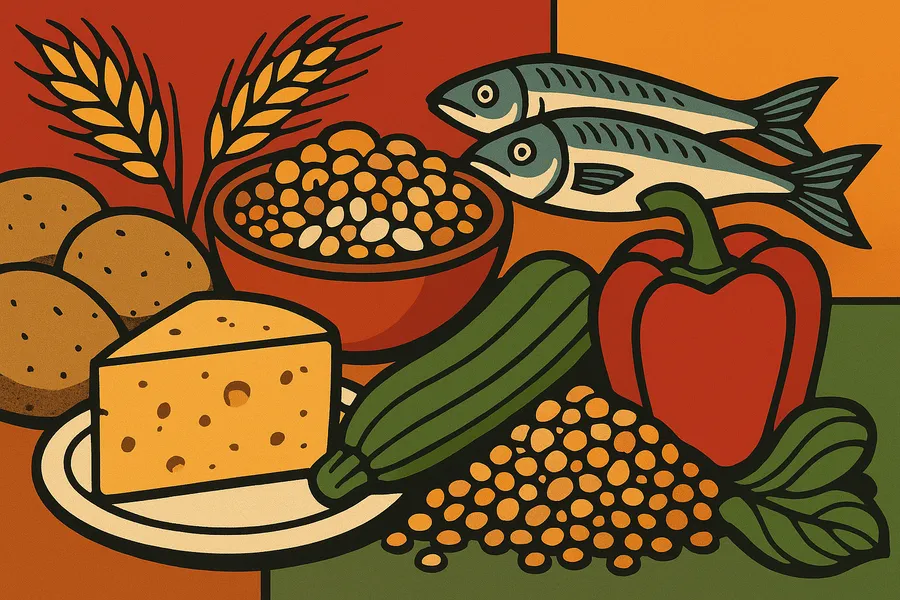
Not all proteins are created equal. The Italian gastronomic tradition offers extraordinary protein excellence:
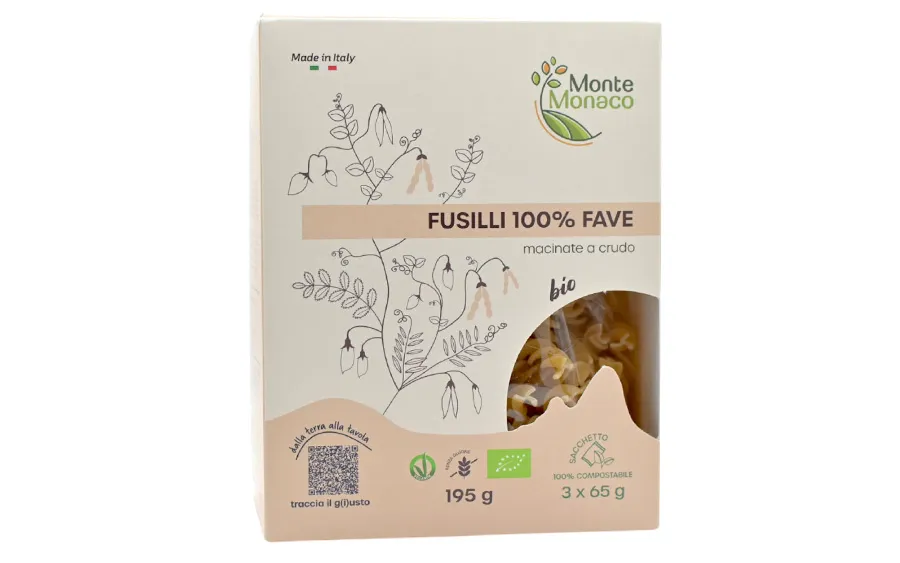
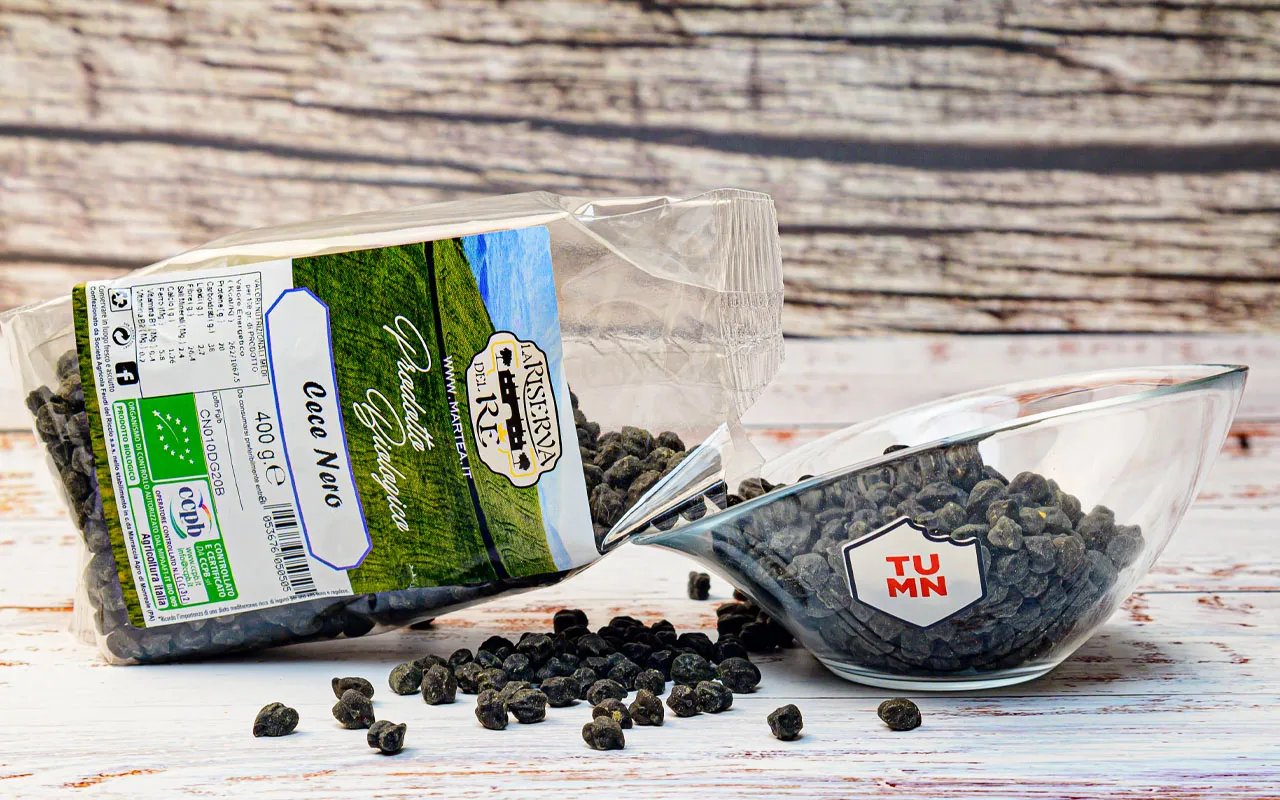
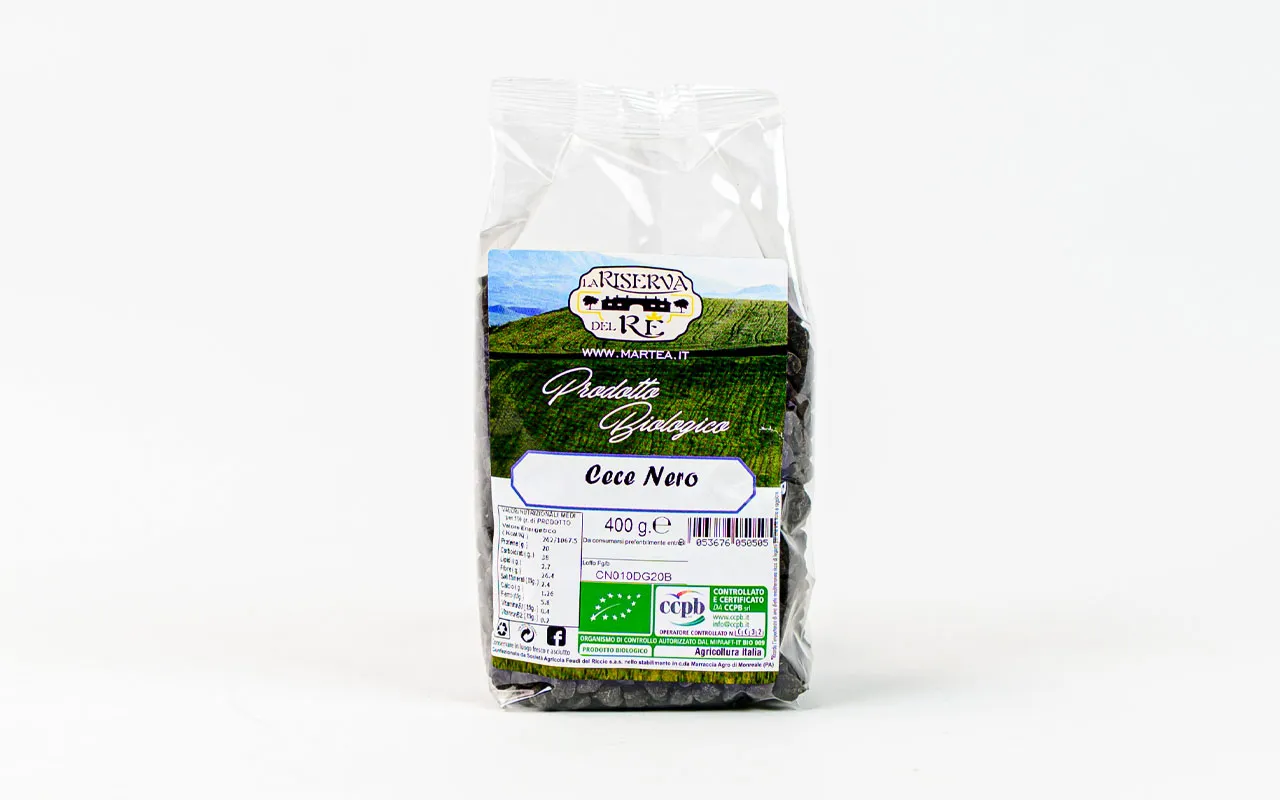
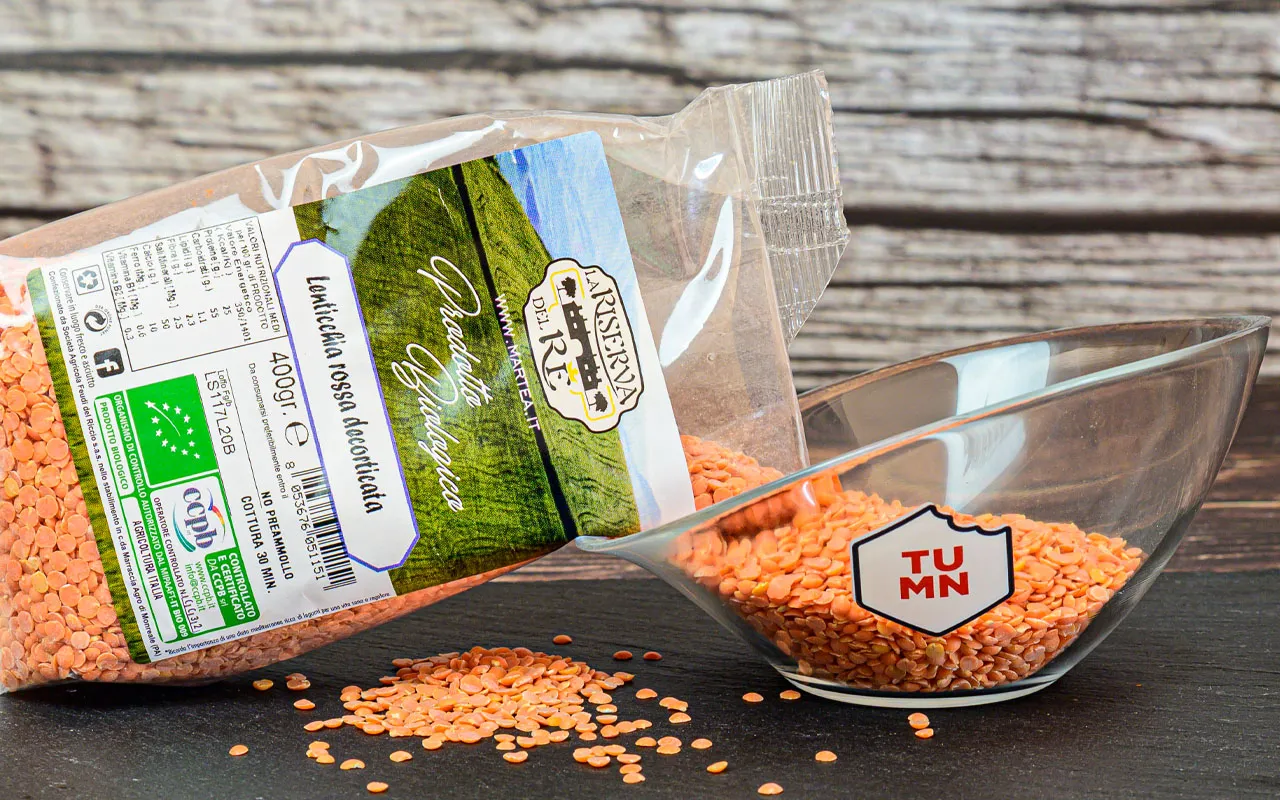
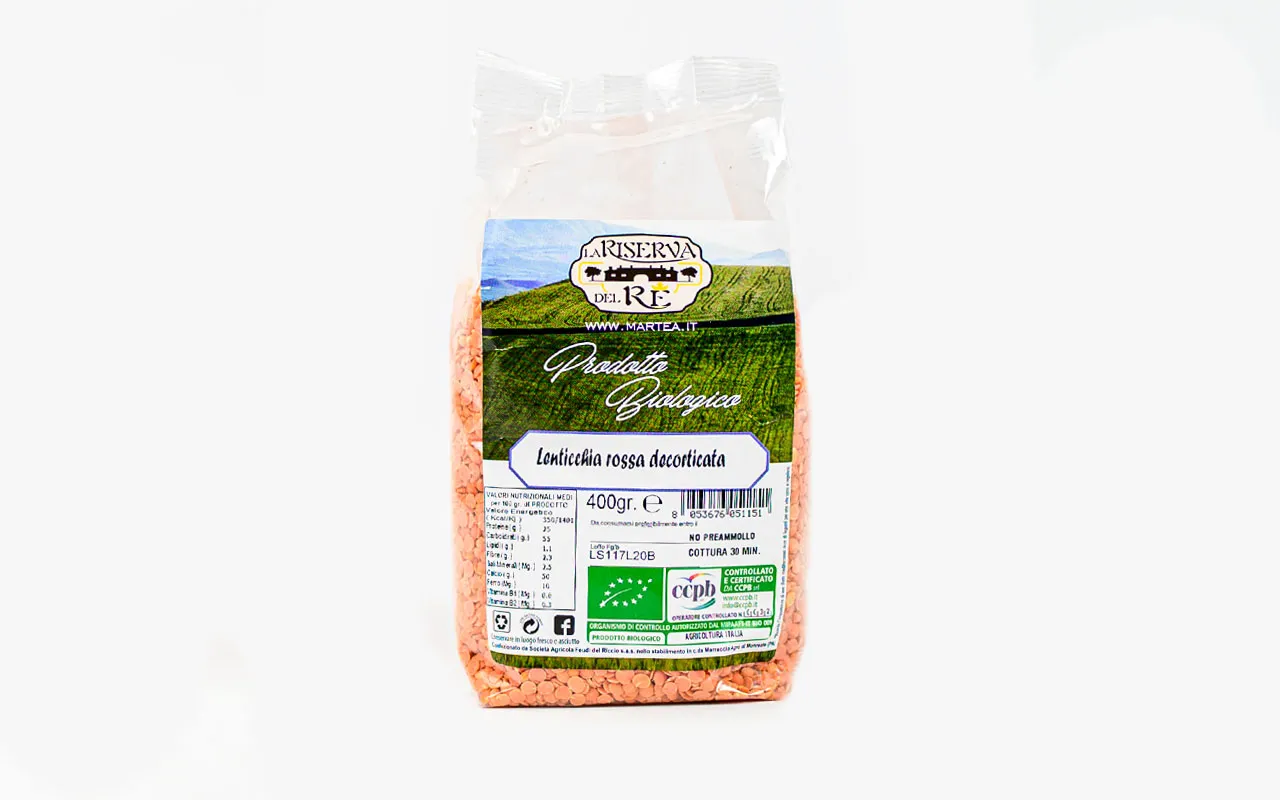
- Legumes : chickpeas, lentils, cannellini beans – a heritage of Italian peasant cuisine, they combine vegetable proteins with precious fibres
- Aged cheeses : 36-month Parmigiano Reggiano, Pecorino Sardo – protein concentrates that also provide depth of flavour
- Blue fish : anchovies, sardines, Mediterranean mackerel – noble proteins that tell the story of our seas
- White meats : free-range chicken, turkey – lean sources for those seeking maximum satiating efficiency
- Eggs : those from free-range hens, with deep orange yolks – complete proteins of the highest biological value
Carbohydrates and Fats: Debunking the Myth of Lipid Superiority
One of the most deeply rooted dogmas in the collective imagination holds that fats are more satiating than carbohydrates. Science tells a different, more complex and fascinating story.
Carbohydrates: a question of quality
Not all carbohydrates are created equal. Refined carbohydrates —white bread, overcooked pasta, and processed baked goods—make a minimal contribution to satiety. They digest quickly, require no digestive effort, and the body processes them effortlessly, leaving you hungry soon after.
On the contrary, carbohydrates rich in fiber – legumes, whole grains, pearled barley, spelt – require prolonged digestion and provide a feeling of fullness greater than even fats.
The role of insulin
Carbohydrates stimulate insulin, which acts as an appetite-inducing hormone : it signals the body that energy is available, allowing it to stop eating. This mechanism works beautifully in metabolically healthy individuals, but can be compromised in those with insulin resistance.
The "problem" of fats
Fat is the macronutrient with the highest energy density : 9 calories per gram compared to 4 for protein and carbohydrates. This means it's very easy to consume large amounts of calories from fat-rich foods—a handful of nuts, a tablespoon of extra virgin olive oil—before the body even realizes the energy it's consumed.
The resulting satiety arrives late, but persists for a long time thanks to the stimulation of intestinal hormones that work in the medium-long term.
The hierarchy of satiety: a scientific ranking
By adopting a rigorous and conscious approach, the ranking of foods that take away hunger is outlined as follows:
- Quality proteins (within the limits imposed by the hormonal plateau)
- Carbohydrates rich in fiber (legumes, whole grains, tubers)
- Healthy fats (but they require more portion control)
Specific foods that curb hunger
Legumes: a treasure of Italian tradition
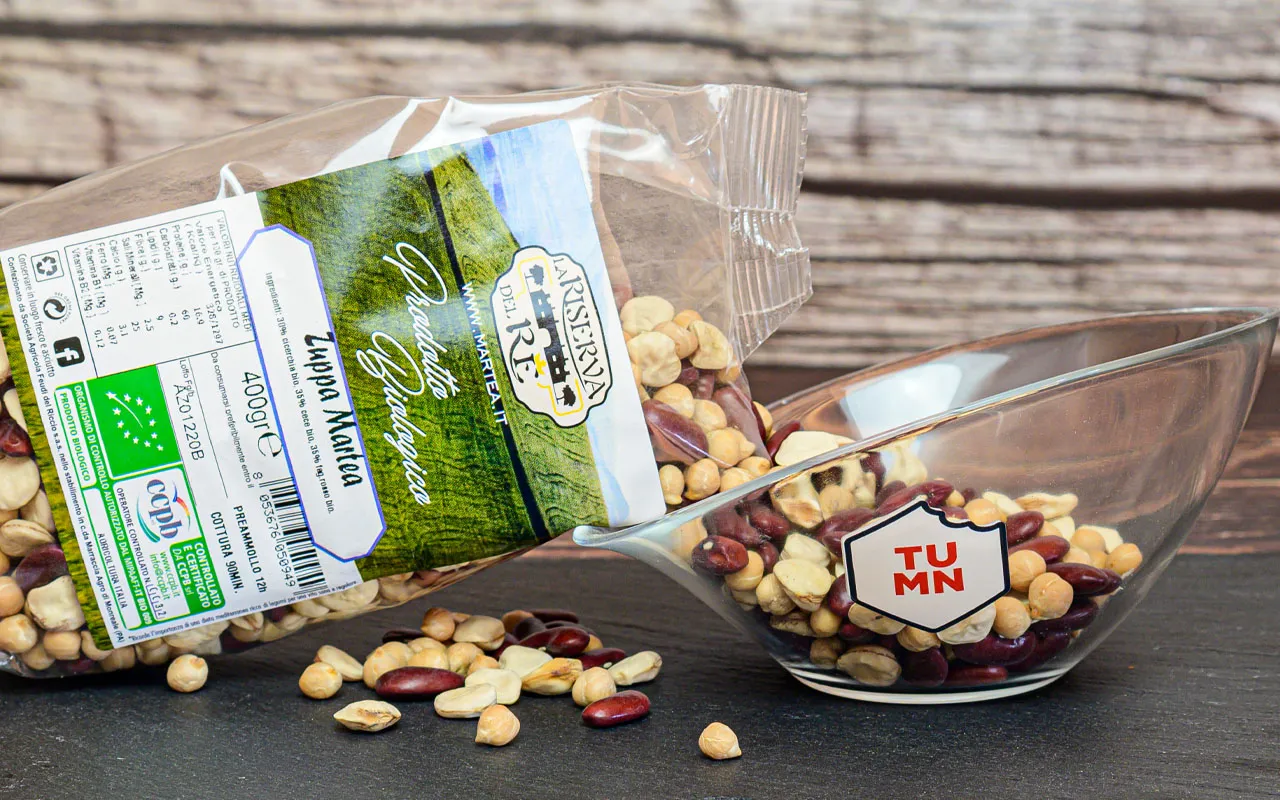
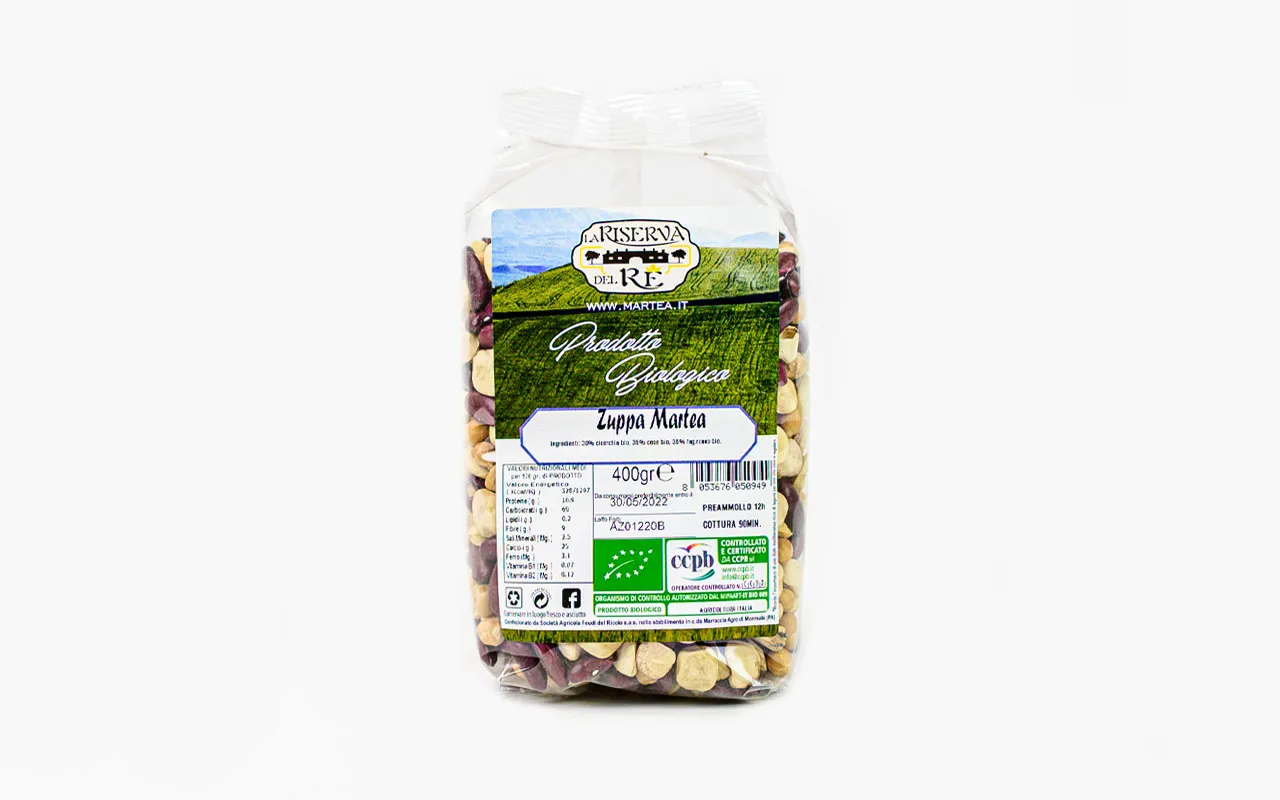
Chickpeas, lentils, borlotti beans—legumes represent the perfect combination of plant-based proteins, slow-release carbohydrates, and soluble fiber. A legume soup with whole grains is a masterful example of nutritional synergy: deeply filling, long-lasting, and a celebration of Italian culinary expertise .
Authentic whole grains
Hulled barley from the Tuscan hills, PGI spelt from Garfagnana, rye from the Alpine valleys—these grains keep their germ and bran intact, providing fiber that slows digestion and prolongs the feeling of fullness. The difference compared to refined grains is enormous: not only in nutritional terms, but also in their ability to control appetite in the hours following a meal.
Fruits and vegetables: the power of volume
Low-energy-density but high-volume foods—spinach, zucchini, eggplant, peppers—fill the stomach with a low calorie intake. A generous plate of grilled vegetables, seasoned with Tuscan extra virgin olive oil and a drizzle of Modena balsamic vinegar, is the perfect example of a filling meal that doesn't weigh you down.
Dried fruit with judgment
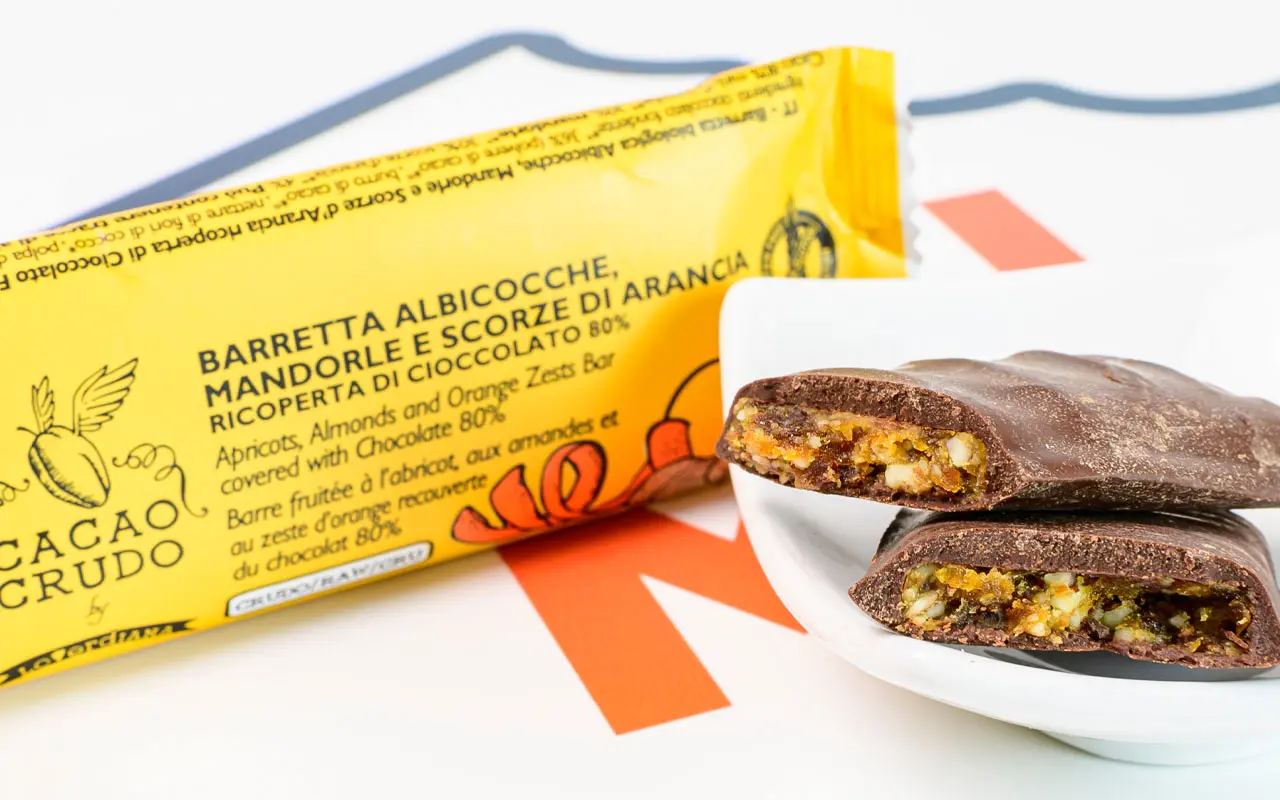
Almonds, walnuts, and hazelnuts—packed with nutrients and healthy fats. A small portion (about 30 grams) provides prolonged satiety , but requires disciplined moderation: it's very easy to overdo it given their high calorie density.
Potatoes and tubers: nutritional surprises
Boiled or steamed potatoes have an extraordinarily high satiety rating —even higher than whole-wheat bread. The secret lies in the resistant starch that forms after cooling and the presence of water, which increases volume without adding calories. A medium potato (about 150g) provides fewer than 120 calories but is as filling as much higher-calorie foods.
Beyond macronutrients: the determining factors
Water: the underrated ally
Drinking water during meals doesn't dilute gastric juices – this is a persistent urban myth. On the contrary, water facilitates digestive processes and contributes to the feeling of fullness through a simple physical mechanism: it dilates the stomach walls, stimulating satiety receptors.
If the body isn't adequately hydrated, it's forced to draw water from other reserves to complete digestion. Drinking during meals is not only permitted, but recommended.
Digestion time
The more a food engages the digestive system, the greater the feeling of fullness. This explains why a plate of al dente pasta with vegetables and legumes is much more filling than an equivalent portion of overcooked pasta with ready-made sauce. The consistency, the amount of chewing required, and the length of time it remains in the stomach—all these factors contribute to the feeling of fullness.
The paradox of palatability
The more a food is perceived as extremely palatable—think of ultra-processed products with carefully selected combinations of fat, sugar, and salt—the less satiating it tends to be. The food industry is well aware of this mechanism and exploits it to maximize consumption. Traditional Italian cuisine , with its clean and distinctive flavors, respects natural satiety cues.
The subjective dimension
An often overlooked but crucial element: personal belief . If someone is firmly convinced that a low-carb diet is more satiating than a low-fat one, the perceived effect will be exactly the same, given the same protein and calorie intake. The mind powerfully influences the body's perception.
This doesn't mean that everything is relative, but that the most effective nutritional strategy is the one that adapts to one's subjective experience, preferences, and lifestyle—always respecting fundamental scientific principles.
Practical strategies to maximize satiety
Composition of the ideal dish
For a meal that truly satisfies hunger without weighing you down:
- 40-50% of the plate : cooked or raw vegetables (volume and fiber)
- 25-30% : quality protein sources (primary satiating effect)
- 20-25% : whole grain carbohydrates or legumes (slow-release energy)
- A drizzle of healthy fats such as extra virgin olive oil (flavor and long-term satiety)
Sequence and timing
Starting your meal with raw vegetables or a vegetable soup increases the feeling of satiety early on. Chewing slowly—an art that modern haste has caused to fade—allows hormonal signals to reach the brain before excessive amounts of food have been consumed.
Winning combinations
Some traditional Italian gastronomic pairings perfectly embody the principles of satiety:
- Pasta and beans : whole carbohydrates + vegetable proteins + fiber
- Tuscan ribollita : vegetables + legumes + stale wholemeal bread
- Polenta with mushrooms and cheese : whole grain + protein + moderate fat
- Farro salad with vegetables and tuna : whole grains + proteins + volume
When beliefs get in the way of results
If the dietary strategies you've adopted so far haven't produced the desired changes, it's time to reevaluate your assumptions. Many persist in demonizing whole grain carbohydrates, convinced that any form of carbohydrate sabotages weight loss. Science and practical experience tell a different story.
High-fiber carbohydrates—real ones, not the processed ones marketed as "whole grains"—are powerful allies in controlling appetite . Cutting them out completely can make a diet unnecessarily restrictive and difficult to sustain over time.
True nutritional excellence lies not in blind adherence to dogma—be it low-carb, low-fat, or any other current fad—but in the ability to evaluate concrete results and adapt choices to one's individual responses.
Conclusion: awareness and quality
Foods that truly suppress hunger share specific characteristics: high protein content, high fiber content, low energy density, and slow digestion . You don't need miracle supplements or extreme strategies—you just need the wisdom to choose real, minimally processed foods and to combine them intelligently.
The Italian gastronomic tradition, with its emphasis on legumes, whole grains, seasonal vegetables, fish, and quality fats like extra virgin olive oil, offers a nutritional model that combines pleasure and satiety. A model that has endured for centuries, not by chance, but because it responds to the body's profound needs.
Becoming masters of nutritional concepts, rather than slaves to fad diets, means acquiring the freedom and control that allow you to pursue wellness with serenity, without hunger, without extreme sacrifices. Just knowledge and awareness.
Bibliography
Study on satiety proteins and hormones (CCK, GLP-1) in enteroendocrine cells
https://pmc.ncbi.nlm.nih.gov/articles/PMC3851799/
Research on the effectiveness of protein at 25-30% of total calories for satiety and weight loss
https://pmc.ncbi.nlm.nih.gov/articles/PMC7539343/
Protein and thermogenesis study: They increase satiety more than carbohydrates and fats.
https://pubmed.ncbi.nlm.nih.gov/18469287/
Satiety Index Research: Boiled Potatoes Rank First (323% vs. 100% White Bread)
https://pubmed.ncbi.nlm.nih.gov/7498104/
Fiber, Insulin, and GLP-1 Study: High-Fiber Carbohydrates Increase Satiety and Anorectic Hormones
https://pmc.ncbi.nlm.nih.gov/articles/PMC11205552/




 Italiano
  Espanol
  German
  French