Birth and history of the term junk food
So-called junk foods , or all mostly industrial foods that are low in nutrients but high in calories, sugar and saturated fat , are a global phenomenon that never seems to go out of style. Although in some countries of the world their consumption has been prohibited by law due to their harmful effect on health , these foods continue to be heavily marketed and to be omnipresent on the shelves in our supermarkets.
Do you know where and how the term "junk food" was born and why these foods made their appearance in the history of the food industry?
The origin of junk food in the United States
Although the term junk food, as we will see later, was coined in 1951, these fatty and unhealthy foods began to spread in the United States long before . There have been many events and factors that have pushed the food industry in this direction, as well as American society towards the consumption of these foods. Until the early nineteenth century, food in America was mostly genuine, homemade, made with local, healthy, seasonal and unprocessed ingredients. The gradual rise of industrialization combined with the development of new technologies and the improvement of transport, has pushed citizens away from farms, has brought down the price of white flour (food at the base of many products with low fiber content and a high content of carbohydrates) and has led to the serial production of foods that are increasingly easy to preserve and quick to consume . Between the late nineteenth and early twentieth centuries the first "junk drink" was launched based on fruit juice, sugar, water with carbon dioxide and citric acid, a sort of ancestor of Coca Cola , and the first was marketed junk food called Cracker Jack , which is a sweet-savory mixture of popcorn, molasses and peanuts.
"The first and great American junk food was Cracker Jack, a salty-sweet mixture of popcorn, molasses and peanuts introduced by the brothers Frederick and Louis Rueckheim at the Chicago World Fair in 1893. The recipe was not a novelty, but the real genius it was marketing by the Rueckheim brothers: a prize in each box and a package with a wax seal. In 1916 the Cracker Jack was the best-selling snack in the world " source
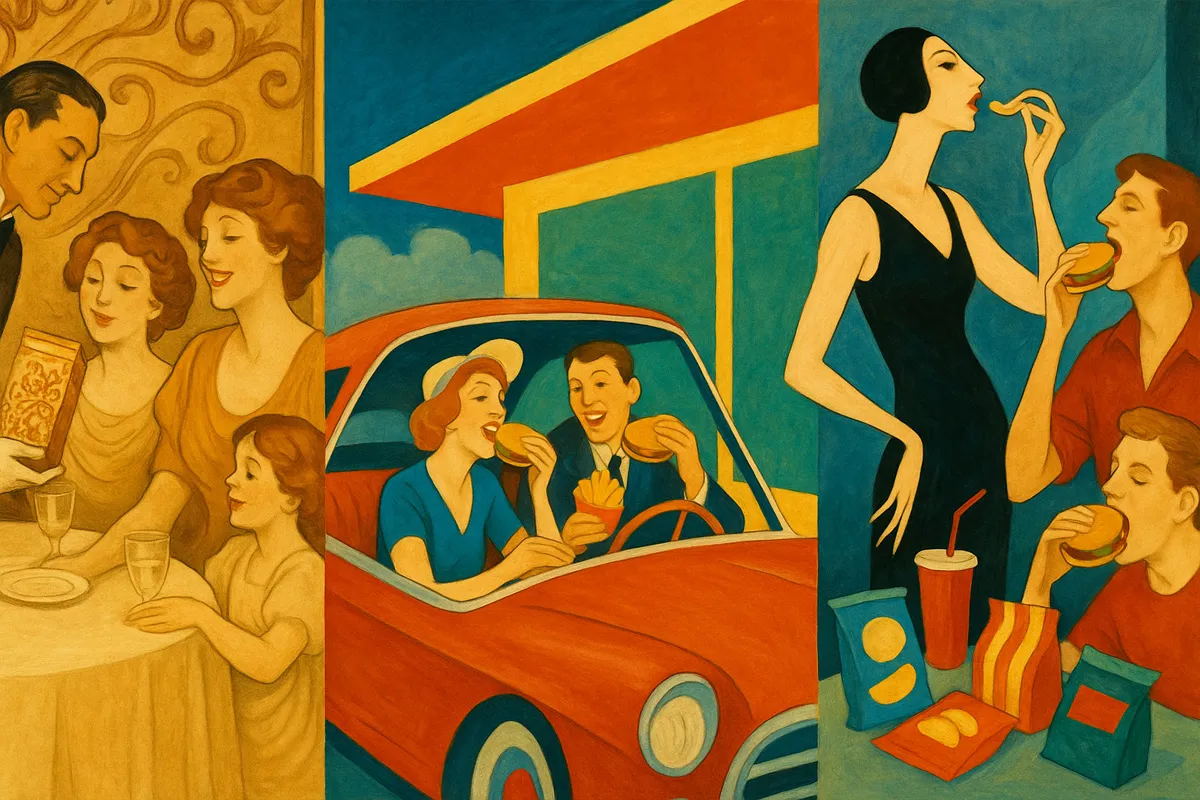
In the 1950s, also thanks to the rise of culture and the automotive sector and the suburbanization of American cities, the boom in junk food coincided with the arrival of the first fast food restaurants . Between hamburgers, fries and high-calorie snacks, the diet and dietary habits of Americans were preparing for a radical change, with the dramatic health consequences that we all know.
Birth of the term junk food
The word junk food was coined in 1951 but the first official definition would arrive only in 1972 and it was coined by the American nutritionist scientist Michael F. Jacobson. "Junk food" officially meant all those foods, mostly industrial and highly processed, characterized by a reduced nutritional value and by a high presence of calories, cholesterol, saturated fats, refined white sugar, salt and white flour , as well as additives , dyes and chemical preservatives.
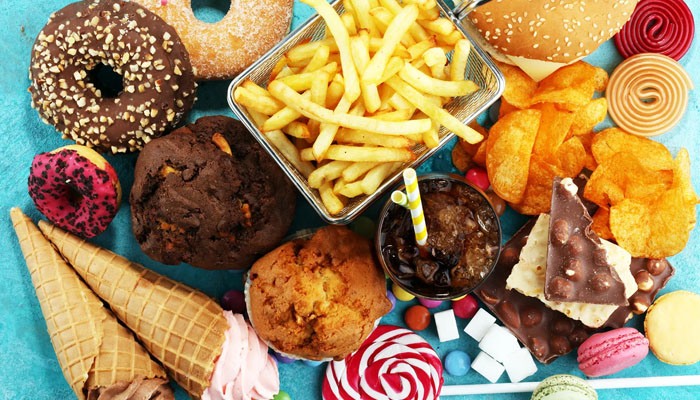
Among the best known, most consumed and most harmful junk foods are certainly mentioned hamburgers, hot dogs, frankfurters, french fries or bags, drinks with synthetic sweeteners, candies, cereals, snacks and packaged snacks.
In the last twenty years, however, something has moved and many food studies have emphasized the health effects of junk food , identifying obesity, cholesterol, diabetes and cardiovascular diseases among them . More recently, moreover, there has been a very close correlation between the use of these junk and ultra-processed foods and the onset of tumors as well as depression .
by Ivana De Innocentis
Revised, corrected and expanded by the Tumn® editorial staff




 Italiano
  Espanol
  German
  French