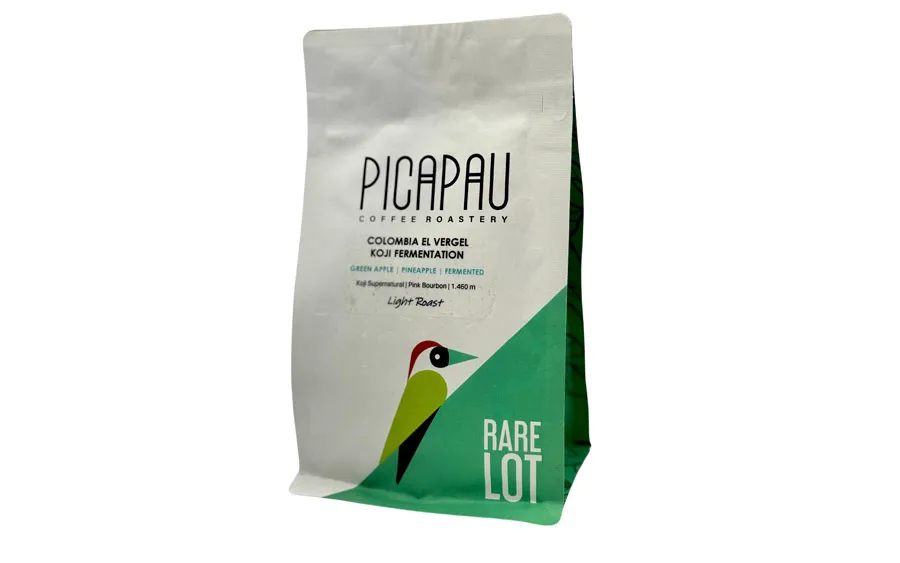
The world of coffee is divided into two parallel universes. On one side, the commercial one that fills supermarket shelves with empty promises of "excellence". On the other, specialty coffee: a world where every bean tells an authentic story of territory, passion and tangible quality.
What does "specialty" really mean?
Specialty coffee is not a marketing gimmick. It is a category strictly defined by the Specialty Coffee Association: only coffees that exceed 80 points out of 100 in a standardized technical evaluation can boast this title. But what does this actually mean for coffee drinkers?
It means that every cup is traceable back to the plantation of origin. It means that the farmer has been fairly compensated for his work. It means that every step - from harvest to roasting - has been controlled and optimized to preserve and enhance the unique characteristics of the bean.
The journey from fruit to cup
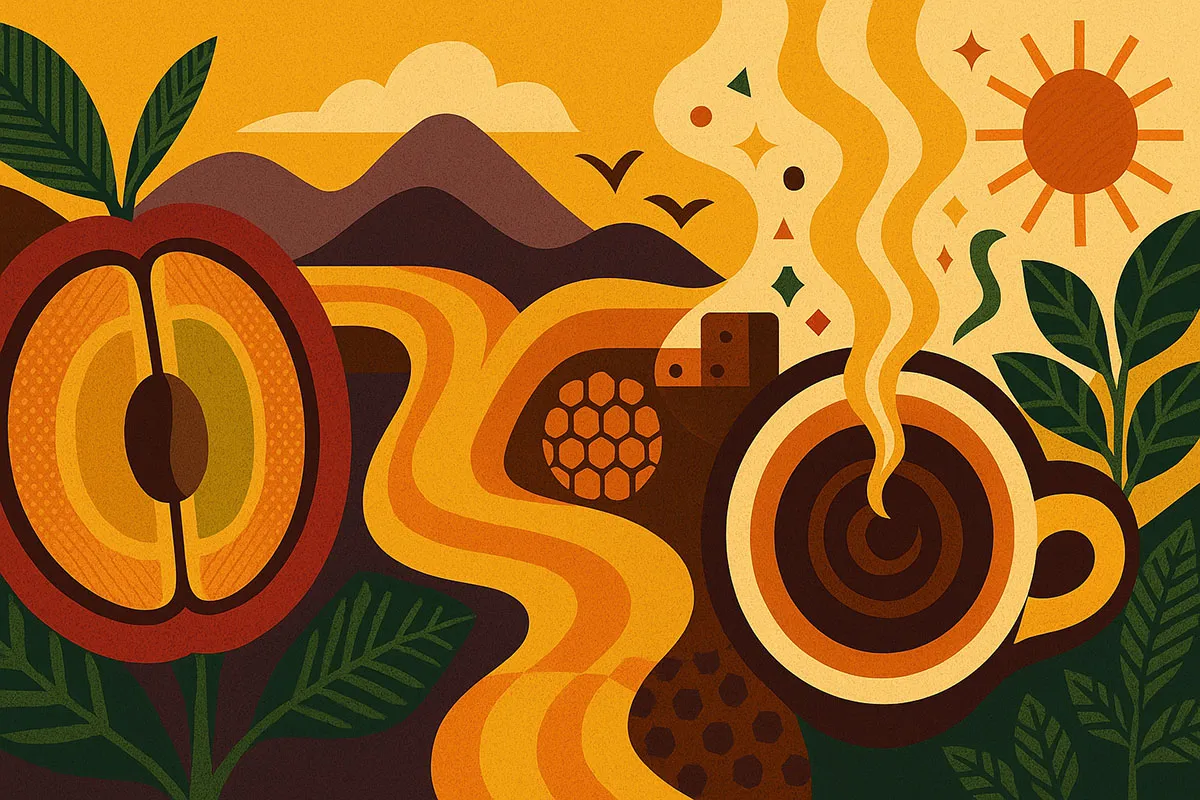
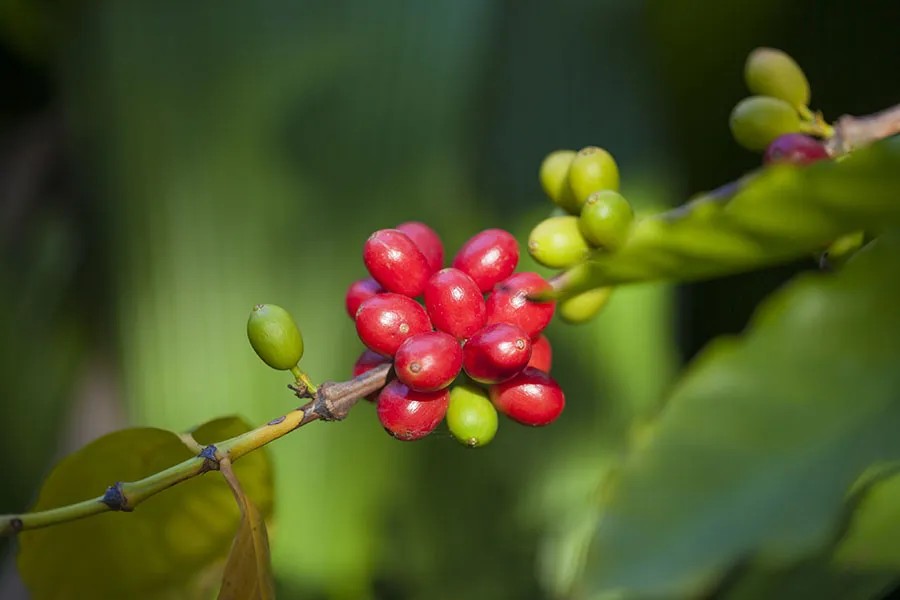
The Coffee Cherry: Anatomy of a Treasure
Many people are unaware that coffee comes from a fruit called cherry (or “drupa”, a learned term taken from the Latin drup(p)a ‘ripe olive’, from the Greek drýpeps ‘ripened on the tree’, composed of drŷs ‘tree’ and pépto ‘to ripen’). This awareness completely changes the perspective: we are not talking about an industrial product, but a complex agricultural expression that requires expertise and respect.
The coffee cherry is composed of:
-
Colored outer skin indicating ripeness
-
Sugary pulp that influences the final flavours
-
Gelatinous mucilage rich in natural sugars
-
Parchment that protects the grain
-
Silver film that adheres to the seed
-
The actual bean that will become our cup
The different processing methods – washed, natural, honey – determine which of these layers are removed and when, creating completely different flavor profiles.
The Processing: Where the Difference Comes
Washed method: The cherries are pulped immediately after harvest. The bean ferments in water for 12-36 hours, developing bright acidity and clean notes.
Natural method: The cherries are dried whole in the sun for 2-4 weeks. The result? Cups with rounder bodies, intense sweetness and complex fruity notes.
Honey Methods: A middle ground that retains some of the mucilage during drying, creating unique balances between cleansing and body.
How to recognize a specialty coffee
The visual signals
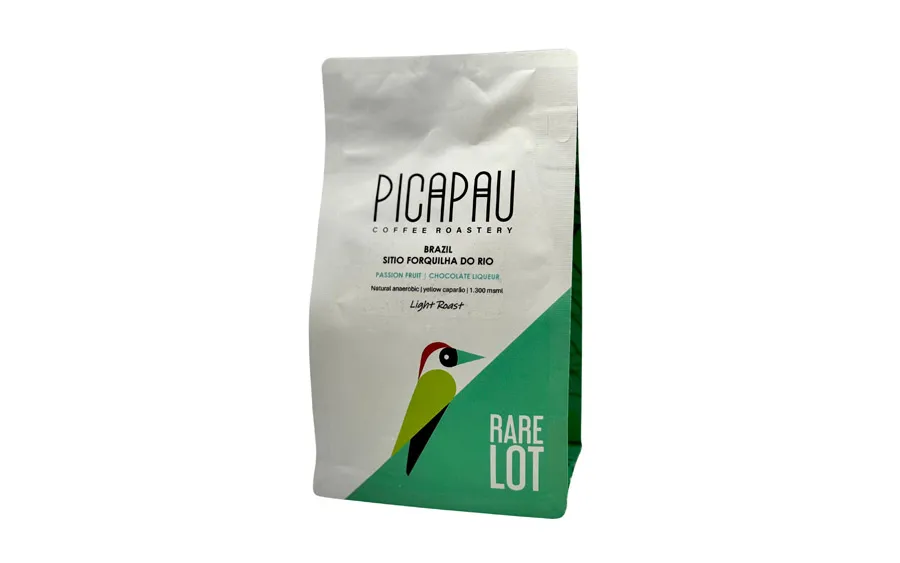
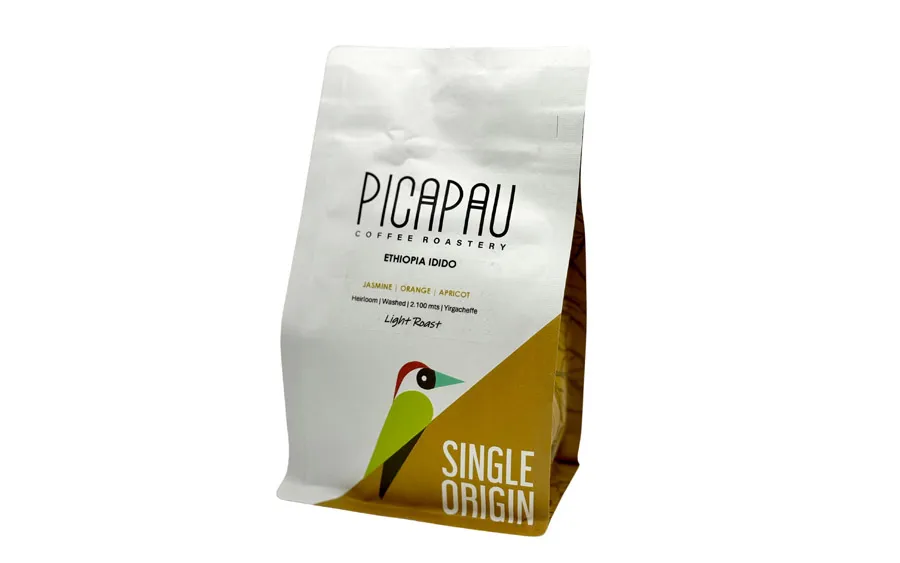
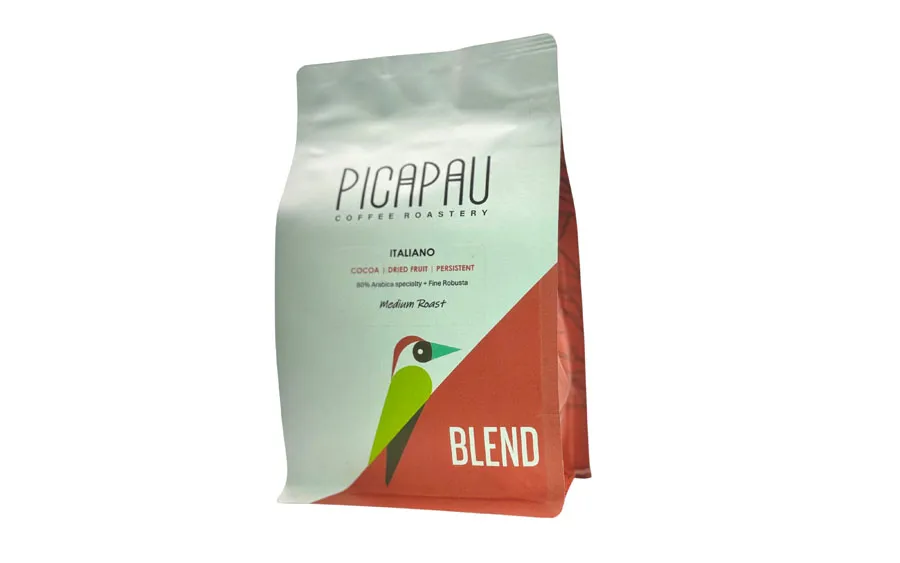
Transparent packaging: A specialty coffee always states the roasting date, the specific origin and often the processing method. If this information is missing, you are buying a commercial product.
Bean Color: Specialty beans have uniform colors, without black spots or broken beans. Roasting is designed to enhance the characteristics of the origin, not to mask defects.
The experience in the cup
Complex aromas: A specialty coffee offers a layered aromatic bouquet. You may perceive fruity, floral, nutty or chocolate notes, depending on the origin and processing method.
Balanced acidity: Acidity is not a defect, but a desirable characteristic that gives liveliness and complexity. It should be pleasant, not aggressive.
Natural sweetness: A good specialty coffee has intrinsic sweetness, without the need for added sugar.
Clean aftertaste: the finish must be pleasant and invite the next sip, without leaving a lingering bitterness.
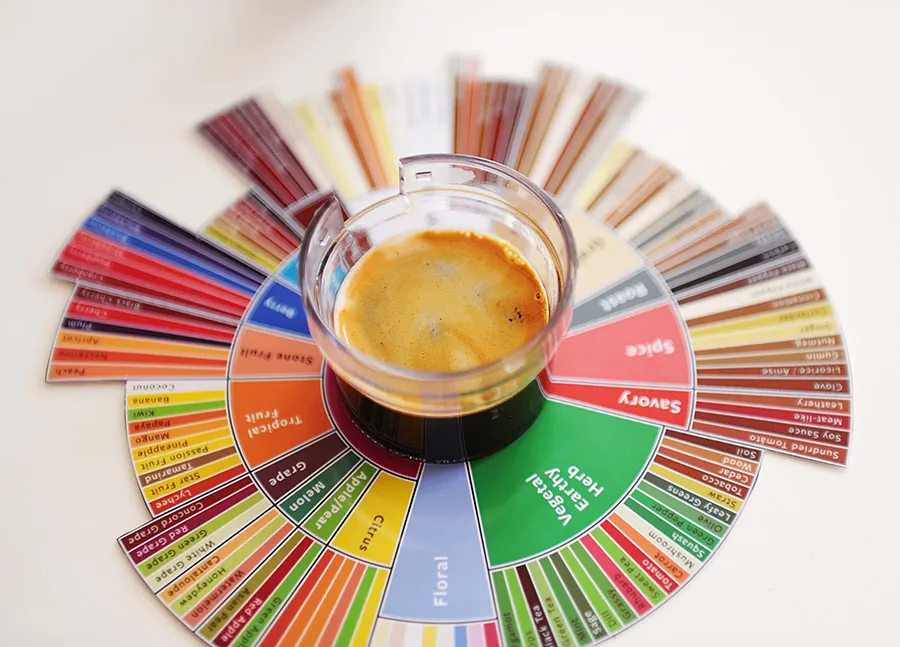
You can find the interactive flavor wheel here: https://notbadcoffee.com/flavor-wheel-en/
Because price reflects value
The price difference between specialty and commercial coffee is not arbitrary. Every extra euro you spend translates into:
Fair compensation for producers: Specialty growers receive up to 300% more than the commodity market price.
Sustainable methods: cultivation that respects the environment and preserves biodiversity.
Quality Control: Each batch is tested and assessed before reaching the market.
Guaranteed Freshness: Specialty roasters roast in small batches, and coffee reaches your cup within weeks, not months.
Roasting: Art and Science
A specialty roaster does more than just heat beans. They develop roasting profiles specific to each origin, controlling temperature, time, and speed to bring out the unique characteristics of green coffee.
Light roasts: preserve acidity and floral notes, ideal for filter extraction methods.
Medium roasts: balance acidity and body, perfect for espresso and moka.
Dark roasts: emphasize body and toasted notes, but always without burning the aromas.
How to orient yourself in purchasing
For beginners
Start with single origins with distinctive characteristics:
-
Ethiopia: intense floral and fruity notes
-
Colombia: classic balance, chocolate and caramel
-
Guatemala: Round body with spicy notes
For expert palates
Experiment with:
-
Special fermentation processes (anaerobic, carbonic maceration)
-
Rare Botanical Varieties (Geisha, SL28, Bourbon)
-
Micro-lots from single farms
Conservation: preserving quality
Specialty coffee is a fresh product that degrades rapidly after roasting:
Airtight container: protect the beans from air and light
Room temperature: avoid refrigerator and freezer
Consume within 2-4 weeks from roast date for optimal experience
Freshly ground: whole beans retain their aromas much longer
The Extraction: The Moment of Truth
Even the best specialty coffee can be ruined by a bad extraction:
Coffee-water ratio: 1:15-1:17 for espresso, 60 grams of coffee for each liter of water for the filter method
Water temperature: 90-96°C to preserve aromas without extracting bitterness
Extraction time: 25-30 seconds for espresso, variable for filters
Appropriate grinding: it must be uniform and suitable for the extraction method
The future of coffee is specialty
Choosing specialty coffee means participating in a quality revolution that is transforming the coffee industry. It means supporting producers who work with passion, roasters who respect the raw material and a business model that values quality above all else.
The next time you find yourself in front of a shelf of coffee, remember: behind every package of specialty coffee there is a story of dedication, expertise and respect. This is the difference you can taste in every sip.
At Tumn, this philosophy guides our every choice. We do not produce coffee, but we select it with the same passion with which we choose each product in our catalog: looking for authentic excellence, not the declared one.




 Italiano
  Espanol
  German
  French